
























How giant viruses shape ecosystems in Earth's polar regions
By
Thomas M. Pitot
Summary
This article explores the discovery and ecological significance of giant viruses, particularly in polar regions. Unlike typical viruses, giant viruses are large enough to be visible under light microscopes and carry complex genomes. The article discusses how these viruses were long overlooked due to traditional filtration methods, and how they play crucial roles in regulating microbial communities, nutrient cycling, and biogeochemical processes in extreme environments like Arctic and Antarctic ecosystems. It highlights how giant viruses are redefining our understanding of viral biology and their orchestration of life in polar regions.
Source

 bskyHow giant viruses shape ecosystems in Earth's polar regionstheconversation.com
Key quotes
· 4 pulledViruses play a major role in the functioning of ecosystems.
They profoundly influence the dynamics of microbial communities, flow of matter and global biogeochemical cycles.
Despite their abundance and ecological importance, many of them have long remained invisible to science.
Long overlooked because of their size, giant viruses are now redefining the frontiers of microbiology.
You might also wanna read


Arctic Research Expedition Studies Underground Fungal Networks and Carbon Storage
A team of biologists led by Michael Van Nuland embarks on an Arctic road trip along Alaska's Dalton Highway to study the critical undergroun
 quantamagazine.org·2mo ago
Global Study Reveals Widespread Distribution of Plastic-Degrading Bacteria in World's Oceans
This scientific research article investigates the global distribution of bacteria containing PET-degrading enzymes (PETases) in ocean enviro
 academic.oup.com·7mo ago
How technology reveals nature's hidden worlds, from microscopes to Antarctica
Columnist Annalee Newitz explores how Ariel Waldman's docuseries "Life Unearthed" uses microscopes, drones, and specialized cameras to revea
 newscientist.com·2d ago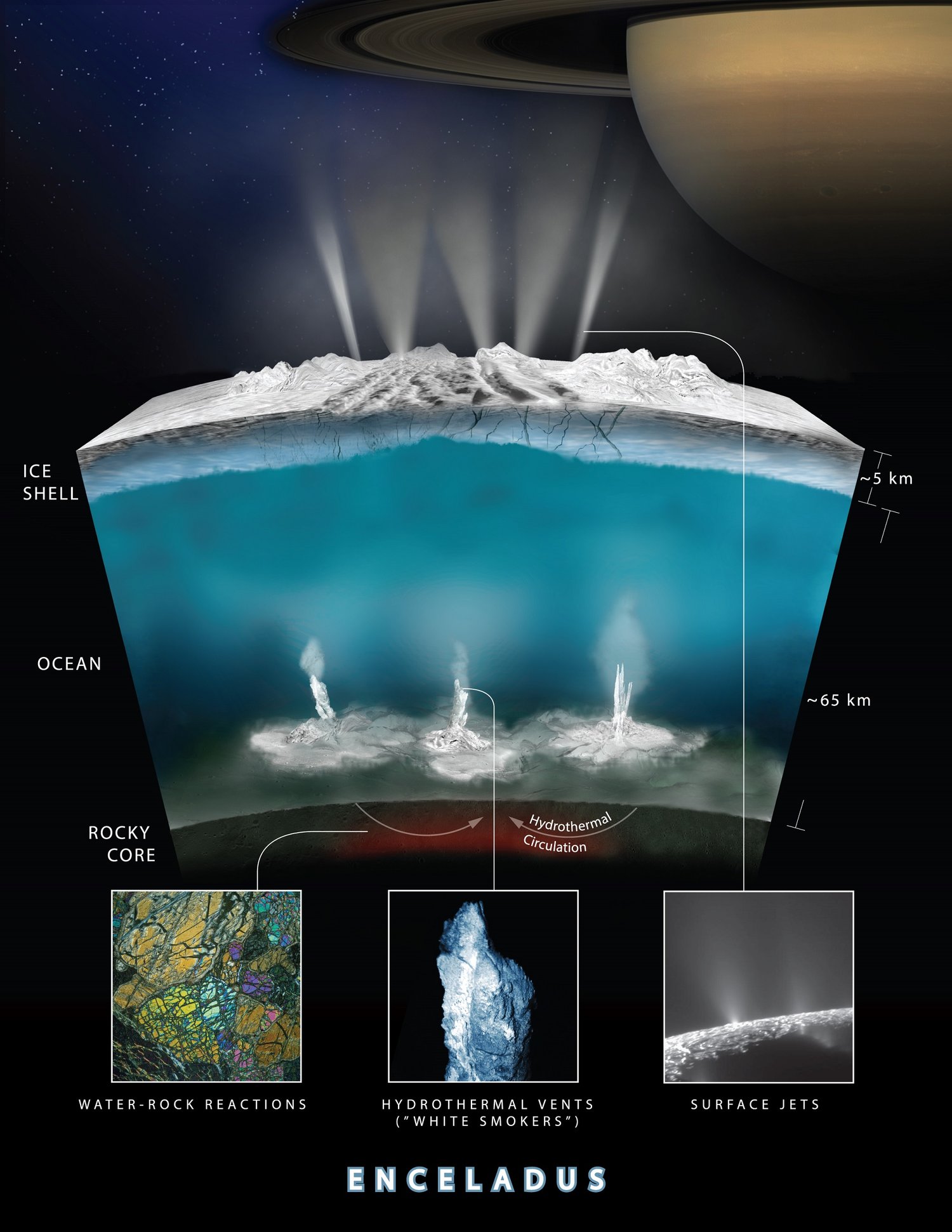
Study tests Earth bacteria survival in Enceladus-like conditions, published in Nature Communications
Scientists tested whether Earth bacteria could survive in conditions similar to those found on Saturn's moon Enceladus. The Cassini mission
 universal-sci.com·1d ago
Scientists Discover Ultra-Minimalist Microbe That Challenges Definitions of Life
Scientists have discovered an ultra-minimalist single-celled organism with an exceptionally small genome that challenges fundamental definit
quantamagazine.org·7mo ago
How Climate Change Is Spreading Dangerous Microbes and Pathogens
This article examines how climate change is accelerating the spread of dangerous pathogens, including "flesh-eating" bacteria and emerging i
 newyorker.com·29d ago
Comments
Sign in to join the conversation.
No comments yet. Be the first.