
























Study tests Earth bacteria survival in Enceladus-like conditions, published in Nature Communications
Summary
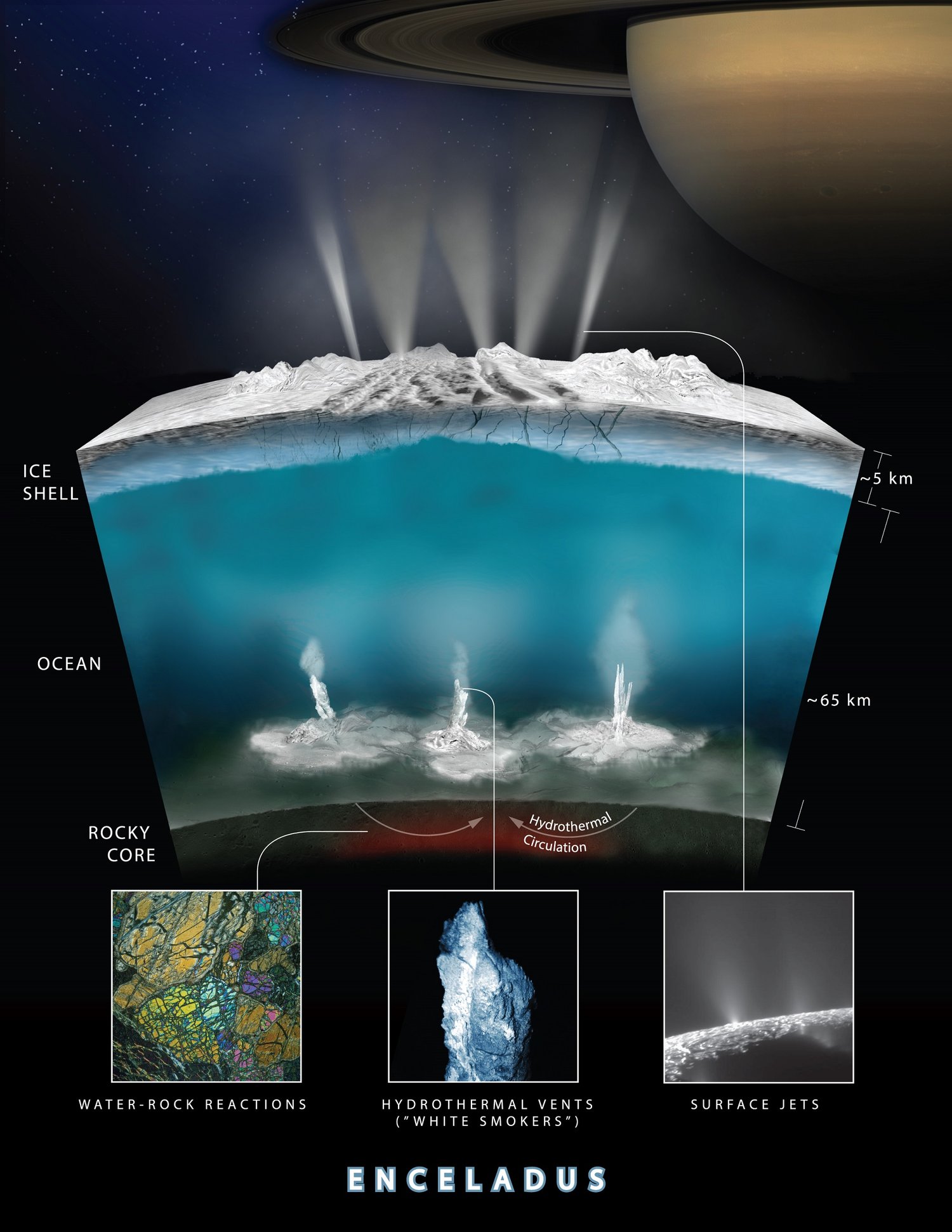
Scientists tested whether Earth bacteria could survive in conditions similar to those found on Saturn's moon Enceladus. The Cassini mission previously detected hydrothermal activity, organic molecules, and hydrated minerals in plumes from Enceladus' southern polar region. A research team subjected strains of Earth bacteria to Enceladus-like conditions, and the study was published in Nature Communications, focusing on biological methane production as a potential sign of life in icy outer Solar System bodies.
Source
 Twitter / XStudy tests Earth bacteria survival in Enceladus-like conditions, published in Nature Communicationsuniversal-sci.com
Key quotes
· 4 pulledCassini observed plume activity coming from Enceladus' southern polar region that indicated the presence of hydrothermal activity inside.
These plumes contained organic molecules and hydrated minerals, which are potential indications of life.
A team of scientists conducted a test where strains of Earth bacteria were subjected to conditions similar to what is found inside Enceladus.
The study which details their findings recently appeared in the journal Nature Communications under the title 'Biological methane production un'
You might also wanna read

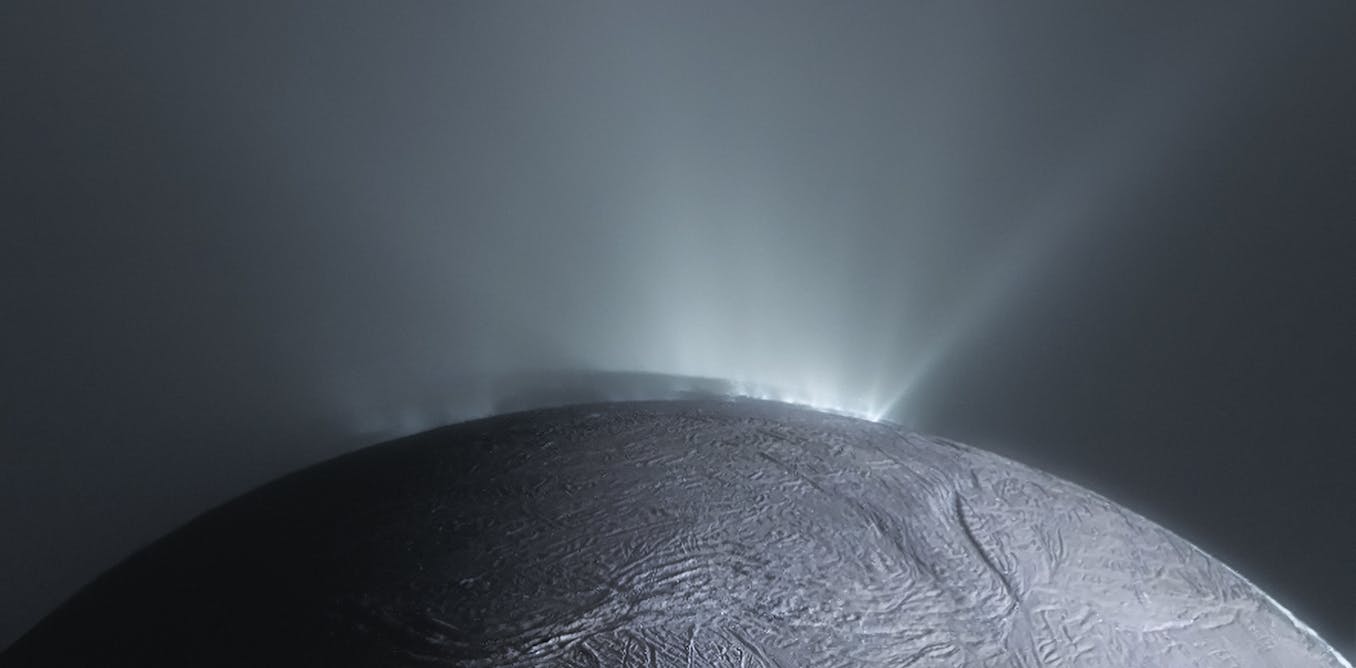
Scientists adapt ecological analysis methods to detect potential life on icy moons like Enceladus and Europa
Scientists are using ecological methods to study icy moons like Saturn's Enceladus and Jupiter's Europa, which likely have subsurface oceans
 theconversation.com·24d ago
Aerobic soil bacteria survive hypoxia through fermentation-carbon storage hybridization
This scientific research article investigates how aerobic soil bacteria adapt to oxygen deprivation (hypoxia). The study reveals that these
 pnas.org·20d ago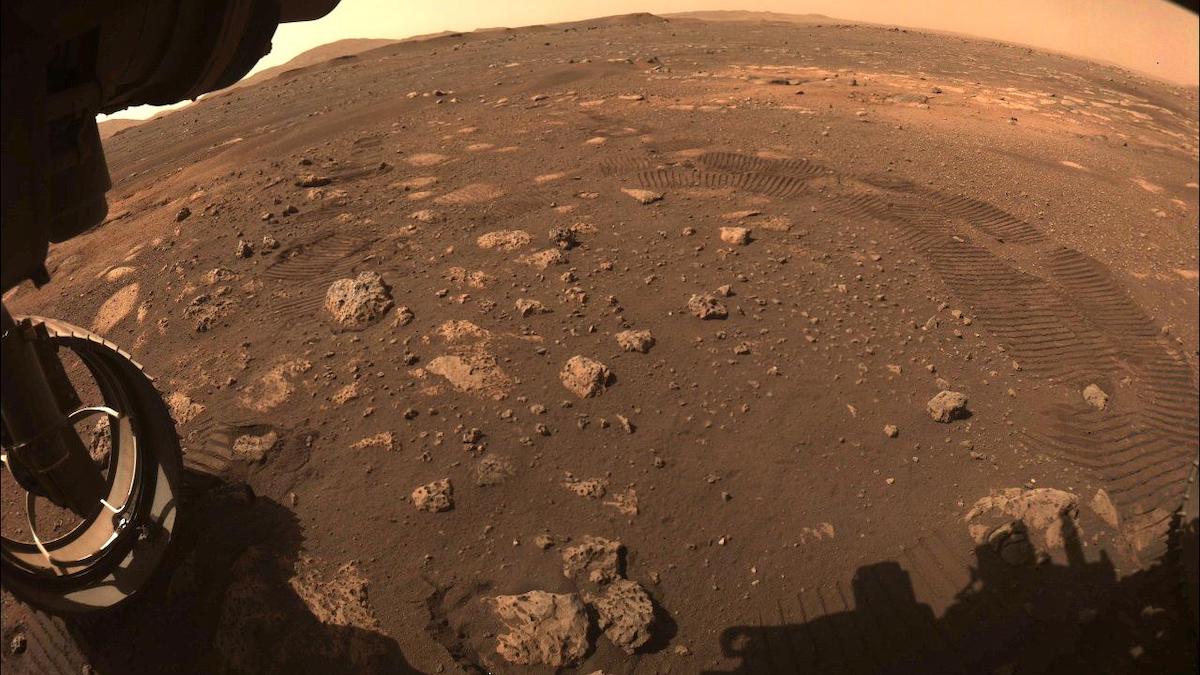
Perseverance Rover Detects Intact Organic Molecules on Mars, Boosting Search for Ancient Life
NASA's Perseverance rover has detected intact organic molecules on Mars near previously described potential signatures of ancient microbial
 eos.org·2h ago
UK Mission to Search for Alien Life in Venus's Clouds
A UK-based mission is planning to send a probe to Venus's clouds to search for microbial life after detecting potential signs of biological
gizmodo.com·11mo ago
Microbe Chroococcidiopsis Shows Potential to Produce Oxygen from Martian Soil
Scientists have discovered that the extremophile microbe Chroococcidiopsis can grow on materials similar to Martian soil and produce oxygen,
 scienceclock.com·6mo ago
NASA Discovers Sugars and Unique Compounds in Asteroid Bennu Samples
NASA's OSIRIS-REx mission has delivered asteroid Bennu samples containing three significant discoveries: sugars essential for biology, a pre
 nasa.gov·6mo ago
Comments
Sign in to join the conversation.
No comments yet. Be the first.