
























How Eastern Foods Shaped Early American Cuisine Since the Founding Era
Summary
This article explores the culinary history of early America, focusing on how the Founding Fathers and elite households in the late 18th century relied on Eastern and imported ingredients—such as lemons, oranges, tamarind, spices, and orgeat syrup—that arrived through global trade routes connecting the Mediterranean, Africa, Asia, and the Middle East. Using the 250th anniversary of American independence as a lens, the piece reveals that early American cuisine was far more diverse and globally connected than commonly assumed, with Eastern foods playing a central role in the nation's founding era.
Source

 bskyHow Eastern Foods Shaped Early American Cuisine Since the Founding Eraaramcoworld.com
Key quotes
· 3 pulledIn 1781, during the final years of the American Revolutionary War, Martha Mortier...sent a gift of lemons, oranges, limes, tamarind and orgeat, a syrup made from almonds and orange flower water.
The gesture revealed something often forgotten about early America.
the foods that filled the tables of the Founding Fathers...are a reminder that elite households relied on ingredients carried through trade routes connecting the Mediterranean, Africa, Asia and regions now known as the Middle East.
You might also wanna read


The '1776 Diet': What Americans really ate during the nation's founding
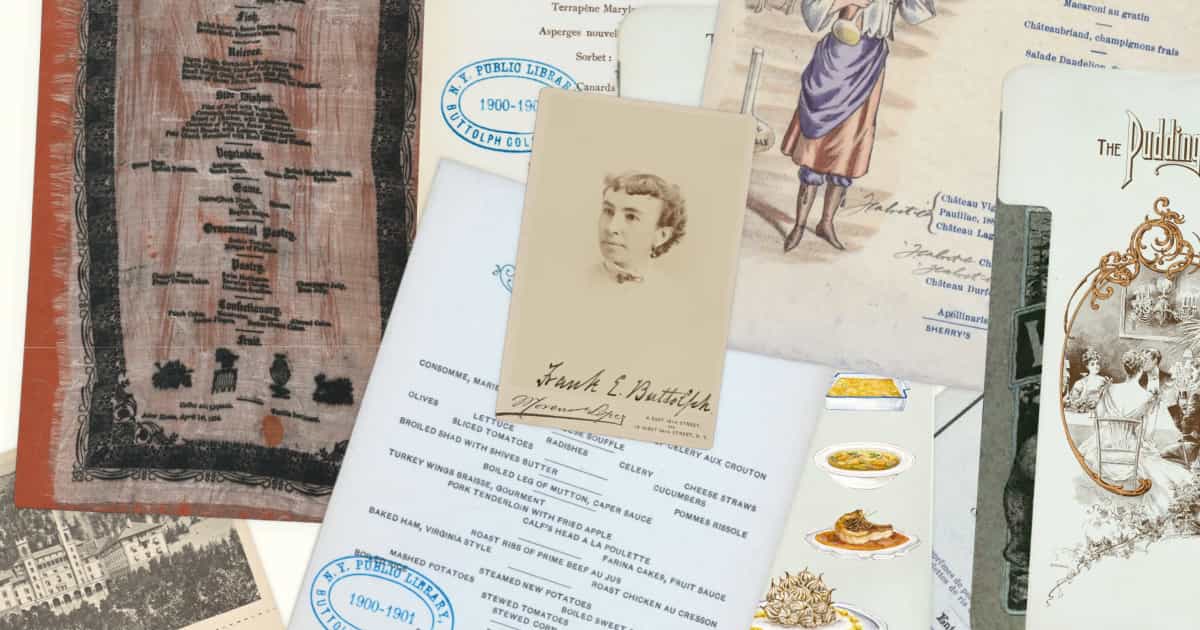
A History of Menus is a Menu of History
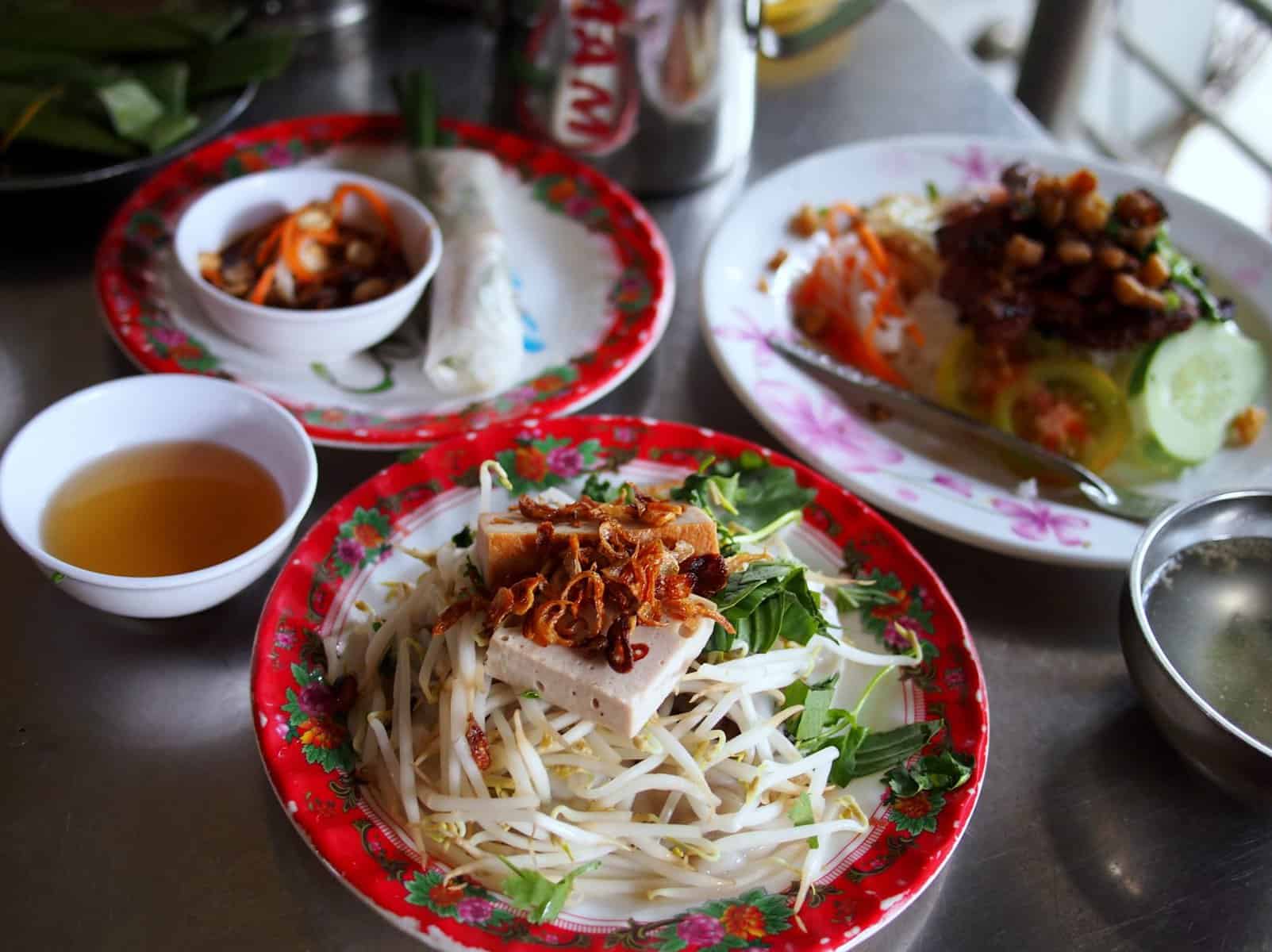
The Historical Journey of Fish Sauce: From Ancient Civilizations to Modern Cuisine
This article explores the rich history and cultural significance of fish sauce, tracing its origins from ancient Asian civilizations through
 legalnomads.com·2mo ago
British Exchange Student Shares Stories of American Food Culture with Schoolmates
A British exchange student returning from the U.S. entertains his schoolmates with stories about American food, describing the use of salt,
 The Onion·6mo ago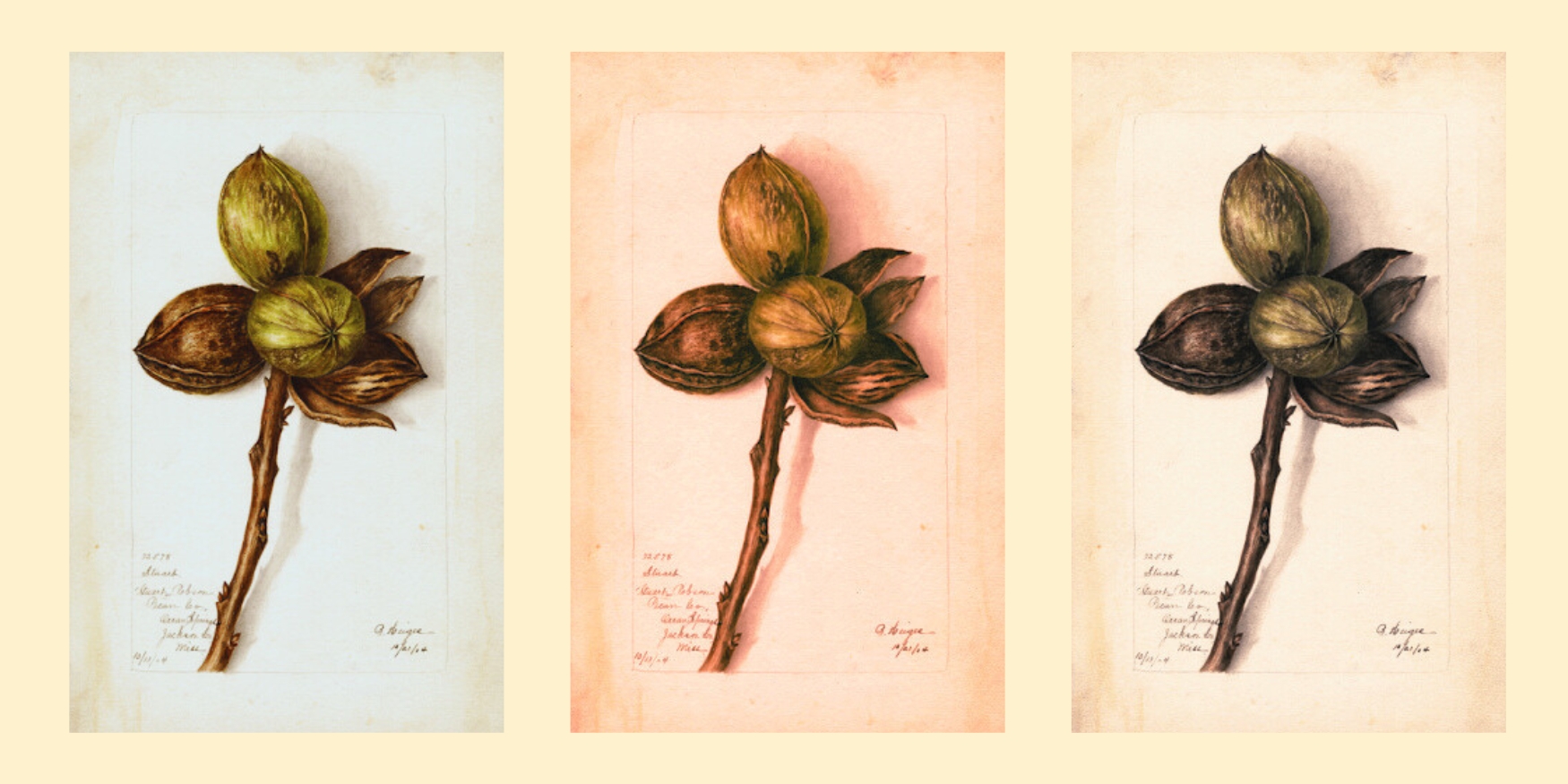
How an Enslaved Gardener's Grafting Technique Created the Commercial Pecan Industry
The article explores the history of the pecan industry in the United States, focusing on how an enslaved gardener named Antoine developed a
 lithub.com·4mo ago
Historical Accounts of Korea's Abundant Food Culture Through the Centuries
This article explores the historical tradition of massive meals in Korea, using the 1592 Japanese invasion as a starting point to illustrate
 atlasobscura.com·8mo ago
Comments
Sign in to join the conversation.
No comments yet. Be the first.