
























Cerebellum may help preserve cognitive function during aging and early Alzheimer's
By
Jackie Rocheleau
Summary
Scientists have found that the cerebellum, known as the "little brain" and traditionally associated with movement, may play a key role in preserving cognitive function as we age. Using existing data, researchers observed that regions at the back of the cerebellum that resisted shrinkage with age were linked to better mental functioning, even in people showing early signs of Alzheimer's disease. This suggests the cerebellum could compensate for declining cognitive functions elsewhere in the brain.
Source
 Twitter / XCerebellum may help preserve cognitive function during aging and early Alzheimer'ssciencenews.org
Key quotes
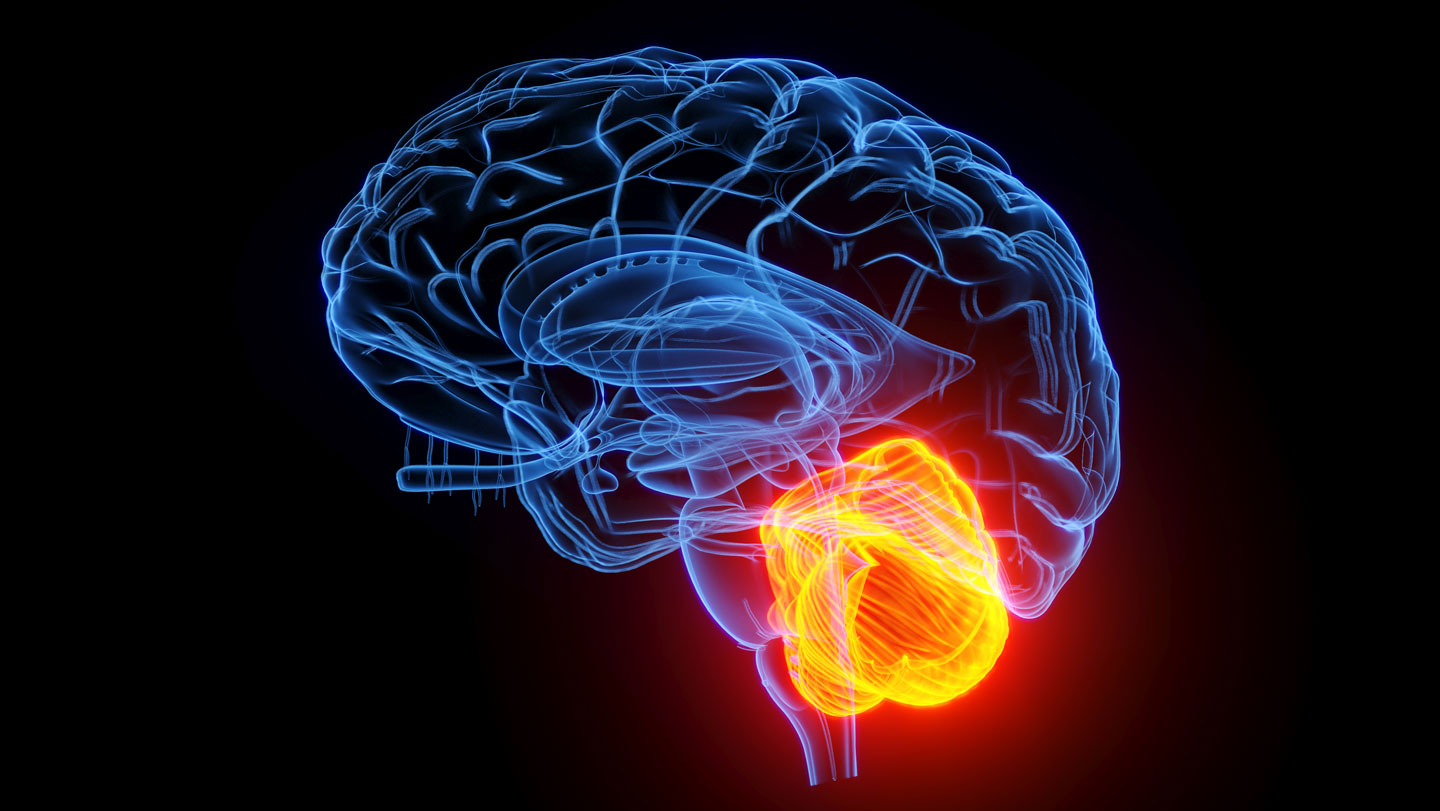
· 3 pulledThe cerebellum, the wizened 'little brain' nestled in the base of the skull, may help keep us sharp as we age.
Regions at the back of the cerebellum that resisted shrinkage with age were tied to better mental functioning, or cognition, even in people...
Most known for its role in movement, the cerebellum could compensate for flagging mental functions elsewhere in the brain.
You might also wanna read


Scientists discover why some brains resist Alzheimer's

How lifelong mental stimulation may delay dementia symptoms: The cognitive reserve hypothesis explained
This article explores the cognitive reserve hypothesis, which suggests that a lifetime of mentally stimulating activities may help protect a
 pennneuroknow.com·11d ago
Study Suggests Disabling Smartphone Internet May Improve Cognitive Function and Brain Health
New research suggests that disabling the internet connection on your smartphone may reverse signs of brain aging and improve cognitive funct
 bgr.com·14d ago
Study: Consistent Aerobic Exercise May Keep Brains Biologically Younger
New research from the AdventHealth Research Institute shows that consistent aerobic exercise can help keep the brain biologically younger. T
Stanford Study: Restoring Gut-Brain Communication Reverses Cognitive Decline in Aging Mice
Stanford Medicine researchers discovered that aging-related changes in gut bacteria composition trigger an inflammatory response that impair
 med.stanford.edu·3mo ago
UCSF Researchers Identify FTL1 Protein as Key Factor in Brain Aging and Potential Reversal
Researchers at UC San Francisco have discovered that a protein called FTL1 plays a central role in brain aging. In mice studies, older anima
Comments
Sign in to join the conversation.
No comments yet. Be the first.