
























Caspian Sea shrinking rapidly due to dams, river diversion, and poor regional governance, study finds
By
Nima Shokri
Summary
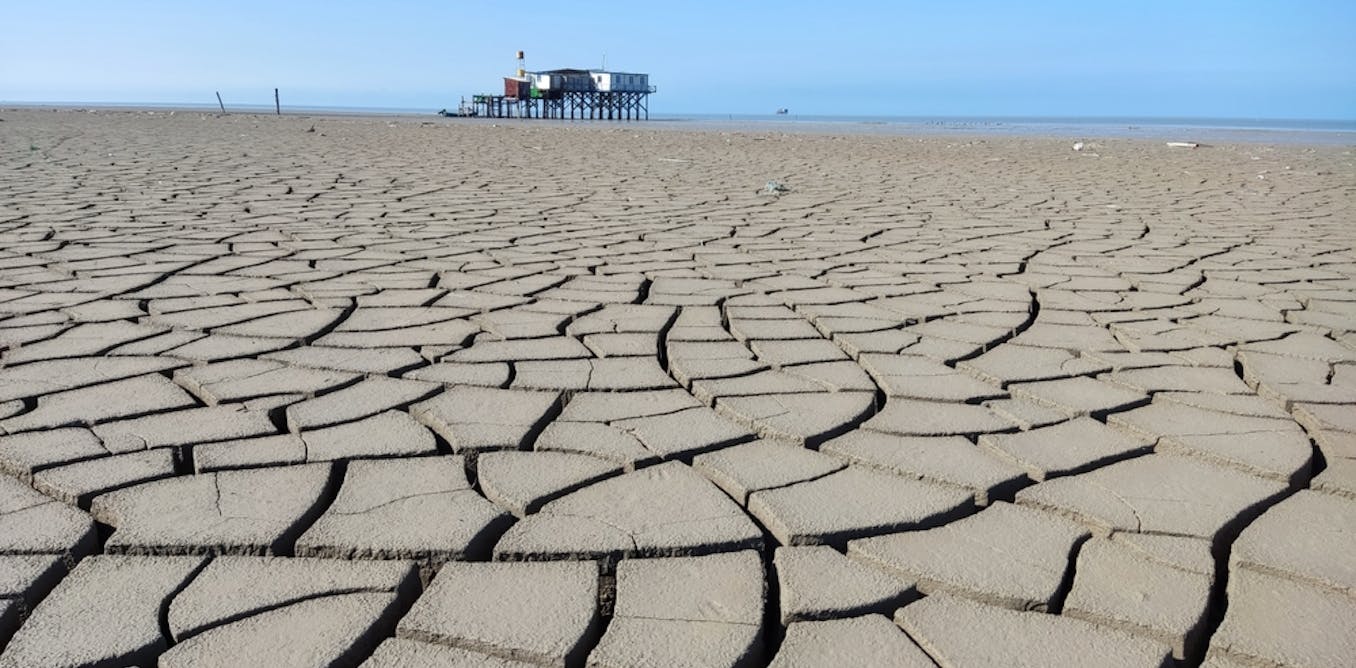
The Caspian Sea, the world's largest inland body of water, is shrinking at an alarming rate due to human activities rather than natural variability. A new study using satellite observations reveals that dam construction, river diversion, and fragmented decision-making across the five bordering countries (Russia, Kazakhstan, Turkmenistan, Iran, and Azerbaijan) are driving the decline. The sea has lost an area nearly the size of Sicily, and the warming climate is exacerbating the problem. The shrinking has severe economic and environmental consequences, including damage to fisheries, shipping routes, coastal ecosystems, and local communities.
Source
 bskyCaspian Sea shrinking rapidly due to dams, river diversion, and poor regional governance, study findstheconversation.com
Key quotes
· 3 pulledThe Caspian Sea, the largest inland body of water on Earth, is shrinking. Not fluctuating, not entering another natural cycle, but shrinking.
Our new study shows something far more troubling: the current decline is increasingly driven by human decisions to dam and divert rivers, and by fragmented decision-making across five countries that border this body of water.
The Caspian Sea is becoming warmer and shallower, with damaging economic and environmental effects.
You might also wanna read

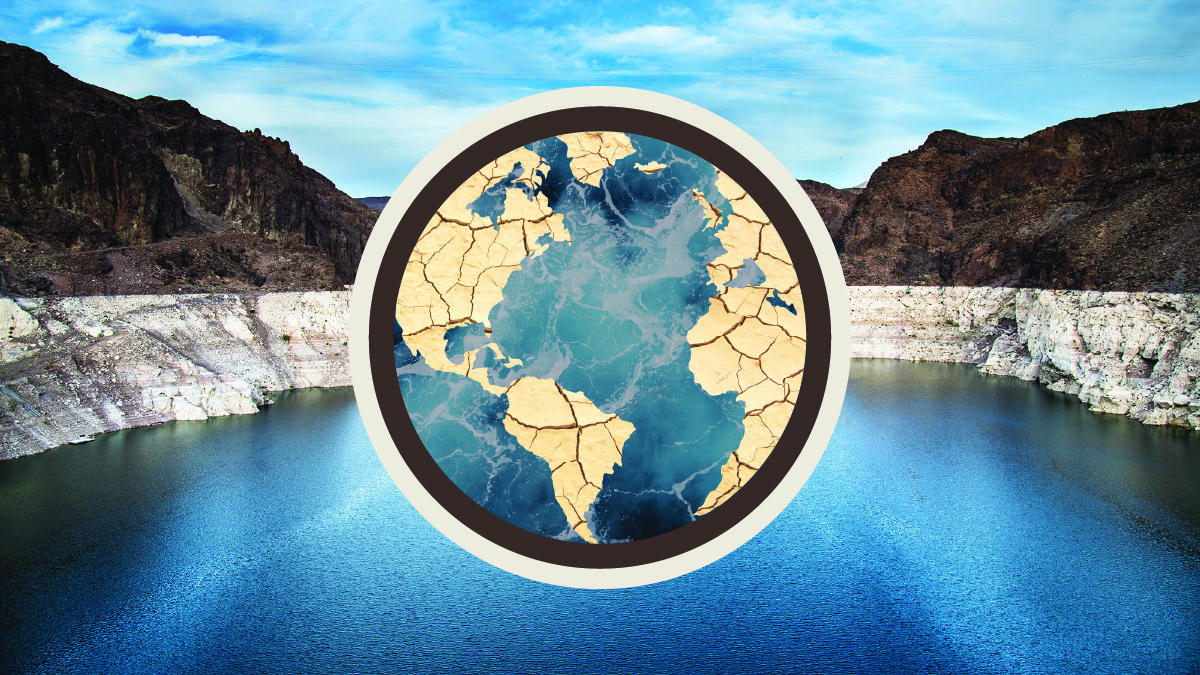
Global Study Warns of Alarming Freshwater Loss Due to Climate Change and Human Activity
A new study led by Arizona State University, published in Science Advances, reveals alarming freshwater loss across Earth's continents since
 news.asu.edu·11mo ago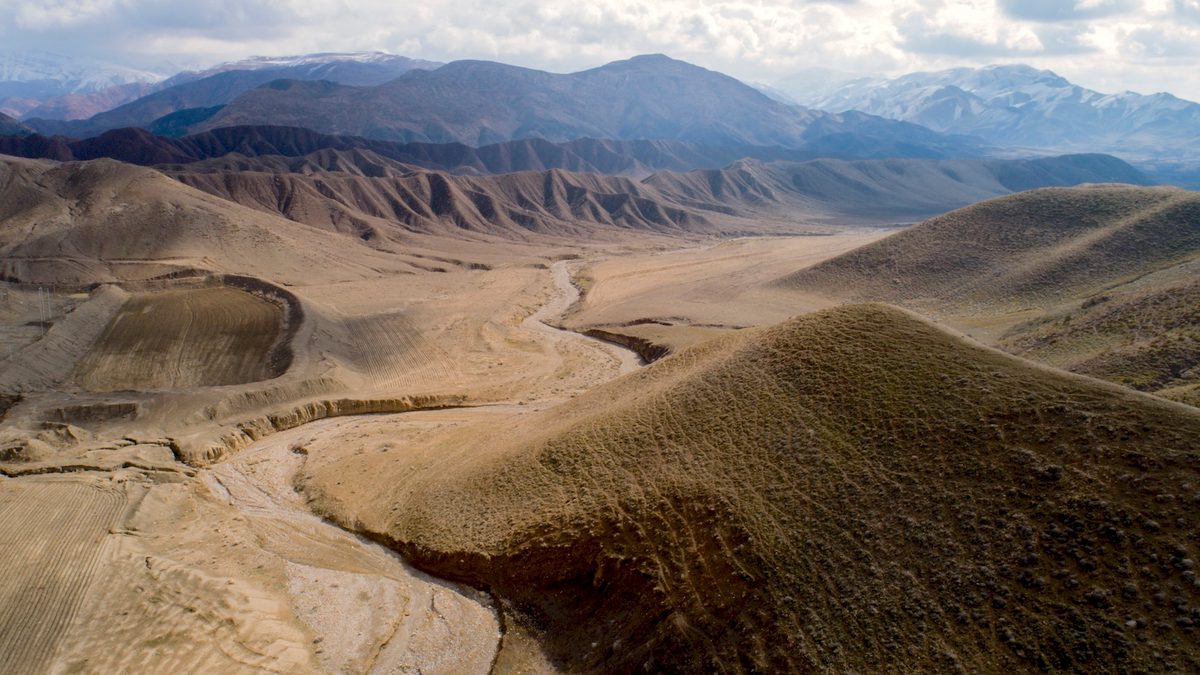
Iran's Water Crisis: Ancient Qanat Systems Destroyed, Capital May Relocate Due to Water Bankruptcy
Iran faces a severe water crisis described as 'water bankruptcy' due to the destruction of ancient qanat water systems and modern mismanagem
 e360.yale.edu·6mo ago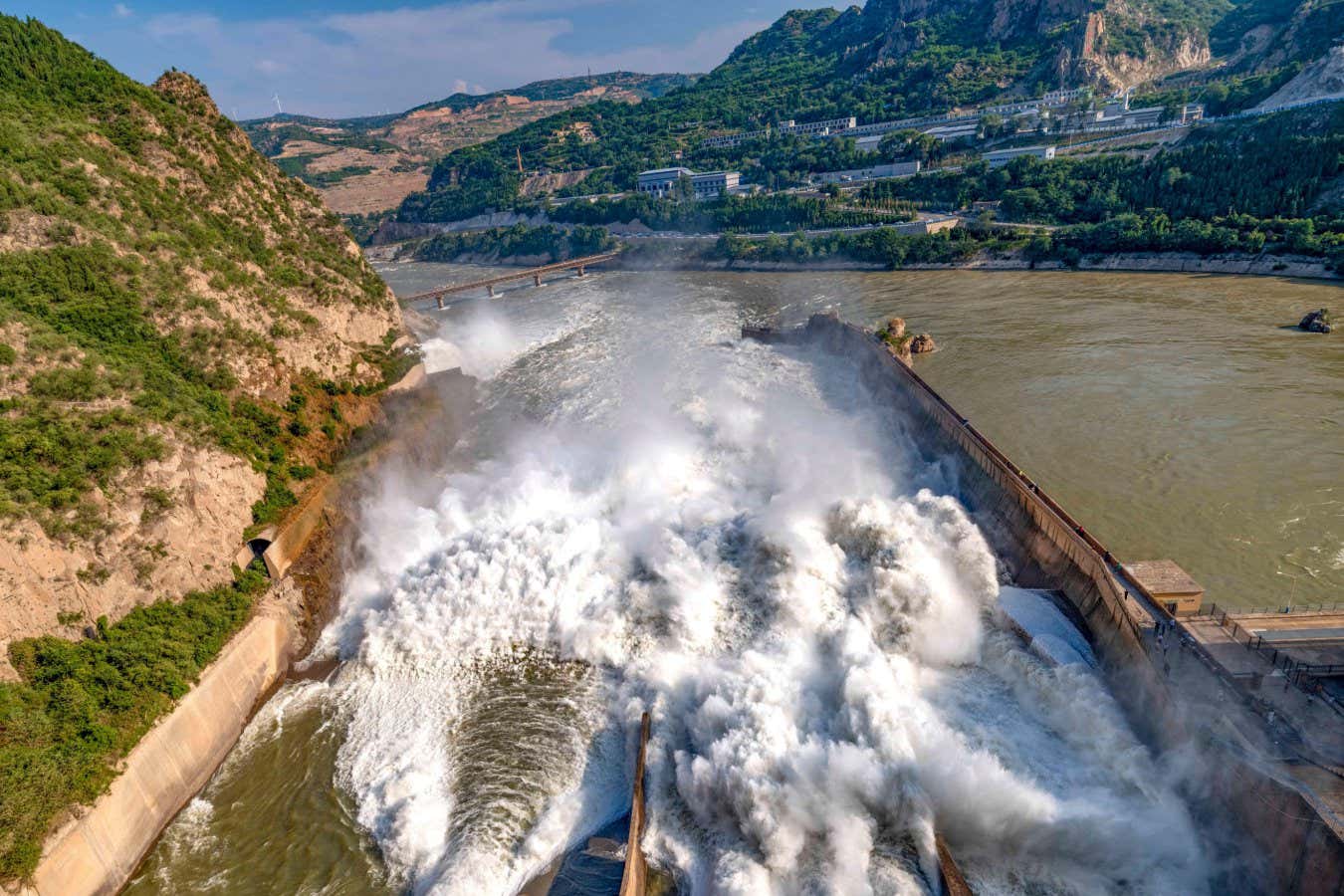
Study: Over half of world's reservoirs could lose function by 2060 due to sediment build-up
A study predicts that over half of the world's freshwater reservoirs will be "functionally dead" by 2060 due to sediment build-up. Dams bloc
 newscientist.com·13d ago
Iran launches cloud seeding operations to combat severe drought
Iran has begun cloud seeding operations to combat severe drought, with the first flight conducted in the Urmia Lake basin. Urmia, Iran's lar
 arabnews.com·7mo ago
East Africa, the Middle East and Central Asia hit by repeated droughts since 2021
Scientific Analysis: The Atlantic Meridional Overturning Circulation (AMOC) and Its Potential Collapse Due to Climate Change
The article discusses the potential collapse of the Atlantic Meridional Overturning Circulation (AMOC), also known as the Gulf Stream, which
 thatjoescott.com·4mo ago
Comments
Sign in to join the conversation.
No comments yet. Be the first.