
























How menopause fundamentally reshapes the brain and its long-term implications for women's health
By
Grace Wade
Summary
Menopause triggers profound brain changes akin to a "home renovation," far more dramatic than previously understood. These neurological shifts may explain cognitive symptoms like brain fog and anxiety, and could also clarify why women face higher Alzheimer's disease risk. However, researchers suggest the long-term impact isn't necessarily negative, as the brain adapts and reorganizes during this transition.
Source

 Twitter / XHow menopause fundamentally reshapes the brain and its long-term implications for women's healthnewscientist.com
Key quotes
· 3 pulledThe changes are so dramatic... that they are akin to a home renovation: 'It becomes a different brain.'
These discoveries underscore the ways in which midlife can influence brain health in older age
Although these changes are profound, we're learning that the long-term impact needn't be all bad
You might also wanna read


Study links post-menopause memory decline to loss of estrogen production in brain tissue
A new preclinical Northwestern Medicine study reveals that memory decline after menopause may be linked to loss of estrogen production in br
 news.northwestern.edu·24d ago
Perimenopause begins earlier than many think: the signs women often ignore
This article discusses perimenopause, the transitional phase before menopause that can begin as early as a woman's 30s or 40s. It highlights
 elcomercio.pe·17d ago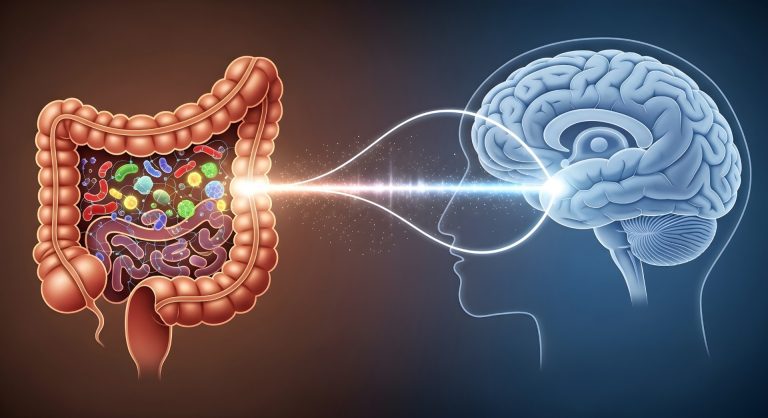
Stanford Study: Restoring Gut-Brain Communication Reverses Cognitive Decline in Aging Mice
Stanford Medicine researchers discovered that aging-related changes in gut bacteria composition trigger an inflammatory response that impair
 med.stanford.edu·3mo ago
Ovarian aging as a systemic regulator of female healthspan: A call for paradigm shift in geroscience
This Perspective article argues that the ovary should be recognized not merely as a reproductive organ but as a systemic regulator of female
 plos.io·25d ago
What the Air You Breathe May Be Doing to Your Brain
Best diet to prevent weight gain during menopause | Medical News Bulletin
Comments
Sign in to join the conversation.
No comments yet. Be the first.