
























Ten practical guidelines for classifying unknown bacteriophages from genomic data
By
Fabian T. S. Bastiaanssen ,
Summary
This article provides ten practical tips for classifying unknown bacteriophages (viruses that infect bacteria). It covers the entire classification workflow, from initial sequence quality control and assembly, through taxonomic assignment using tools like vConTACT and geNomad, to phylogenetic analysis and functional annotation. The authors emphasize best practices for handling metagenomic data, avoiding common pitfalls like contamination, and leveraging databases such as ICTV and IMG/VR. The piece is written as a tutorial-style guide aimed at researchers and students in microbiology and virology, combining technical depth with accessible advice for newcomers to phage genomics.
Source
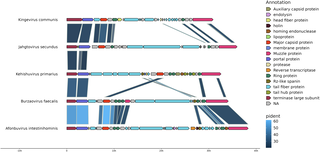
 bskyTen practical guidelines for classifying unknown bacteriophages from genomic datajournals.plos.org
Key quotes
· 5 pulledClassifying unknown bacteriophages is a critical step in understanding the viral dark matter that dominates our biosphere.
The choice of reference database can dramatically alter the outcome of taxonomic assignment, and researchers should be aware of the biases inherent in each.
Metagenomic assemblies often contain fragmented or incomplete phage genomes, requiring careful quality filtering before classification.
Phage taxonomy is rapidly evolving, and tools developed just a few years ago may already be outdated.
A combination of marker-gene based and genome-wide approaches provides the most robust classification framework.
You might also wanna read

Phage Explorer: Open-Source Software for Bacteriophage Genome Visualization and Analysis
Phage Explorer is a free, open-source software tool for visualizing and analyzing bacteriophage genomes. It provides color-coded DNA and ami
 phage-explorer.org·5mo ago
Getting microbial single-cells of interest for sequencing or for culture
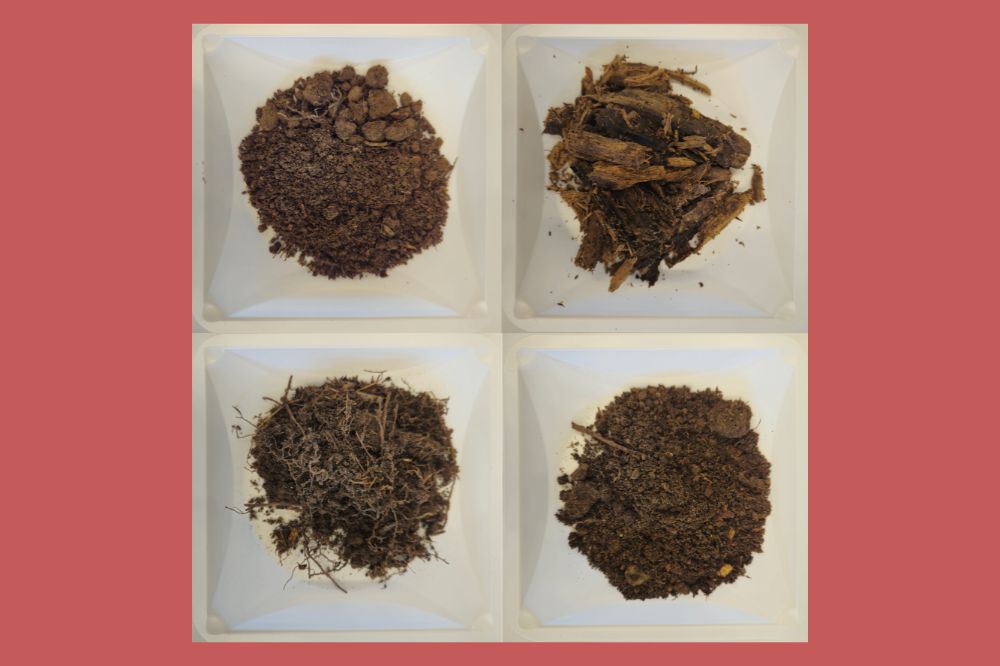
Rockefeller University researchers discover hundreds of new bacteria and two potential antibiotics in soil using DNA sequencing
Researchers at Rockefeller University have developed a method to access the genetic material of soil bacteria that cannot be cultured in a l
 rockefeller.edu·9mo ago
Scientists Discover Ultra-Minimalist Microbe That Challenges Definitions of Life
Scientists have discovered an ultra-minimalist single-celled organism with an exceptionally small genome that challenges fundamental definit
 quantamagazine.org·7mo ago
Cell- and Virus-Bank Characterization in Product Development: A Risk-Based, Phase-Appropriate Framework for Quality Control

Comments
Sign in to join the conversation.
No comments yet. Be the first.