
























Washington University researchers strengthen soy-based bioplastics using surface chemistry
Summary
Researchers at Washington University in St. Louis have developed a method to strengthen soy protein-based bioplastics, making them more competitive with petrochemical-based plastics. Led by Professor Marcus Foston, the study published in Polymer Composites uses surface chemistry to improve the strength and reduce brittleness of soy and cellulose-based biomaterials, advancing the potential for plant-based natural polymers to eventually replace conventional plastics.
Source

 bskyWashington University researchers strengthen soy-based bioplastics using surface chemistryengineering.washu.edu
Key quotes
· 3 pulledSoy proteins are used in plant-based natural polymers meant to eventually supplant plastic materials.
But to compete with the petrochemical-based products, those polymers need to be stronger and less brittle.
Researchers at Washington University in St. Louis have developed a method to do that, in a study published in the journal Polymer Composites.
You might also wanna read
New biobased polymers exhibit excellent tensile properties beyond polyolefins

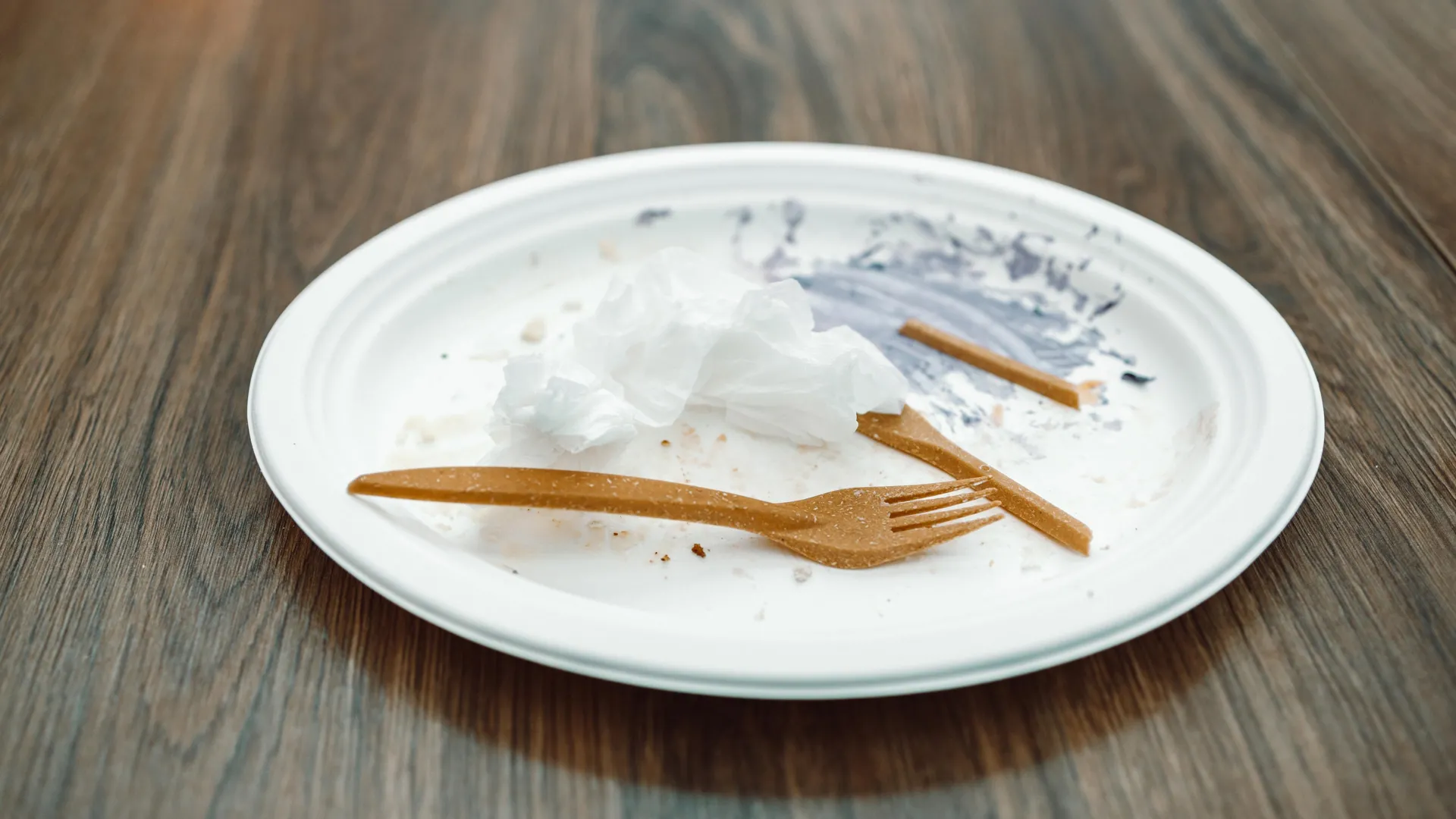
Biodegradable Packaging Film Made from Milk Protein Breaks Down in 13 Weeks
Researchers at Flinders University in South Australia have developed a biodegradable plastic alternative made from milk protein (calcium cas
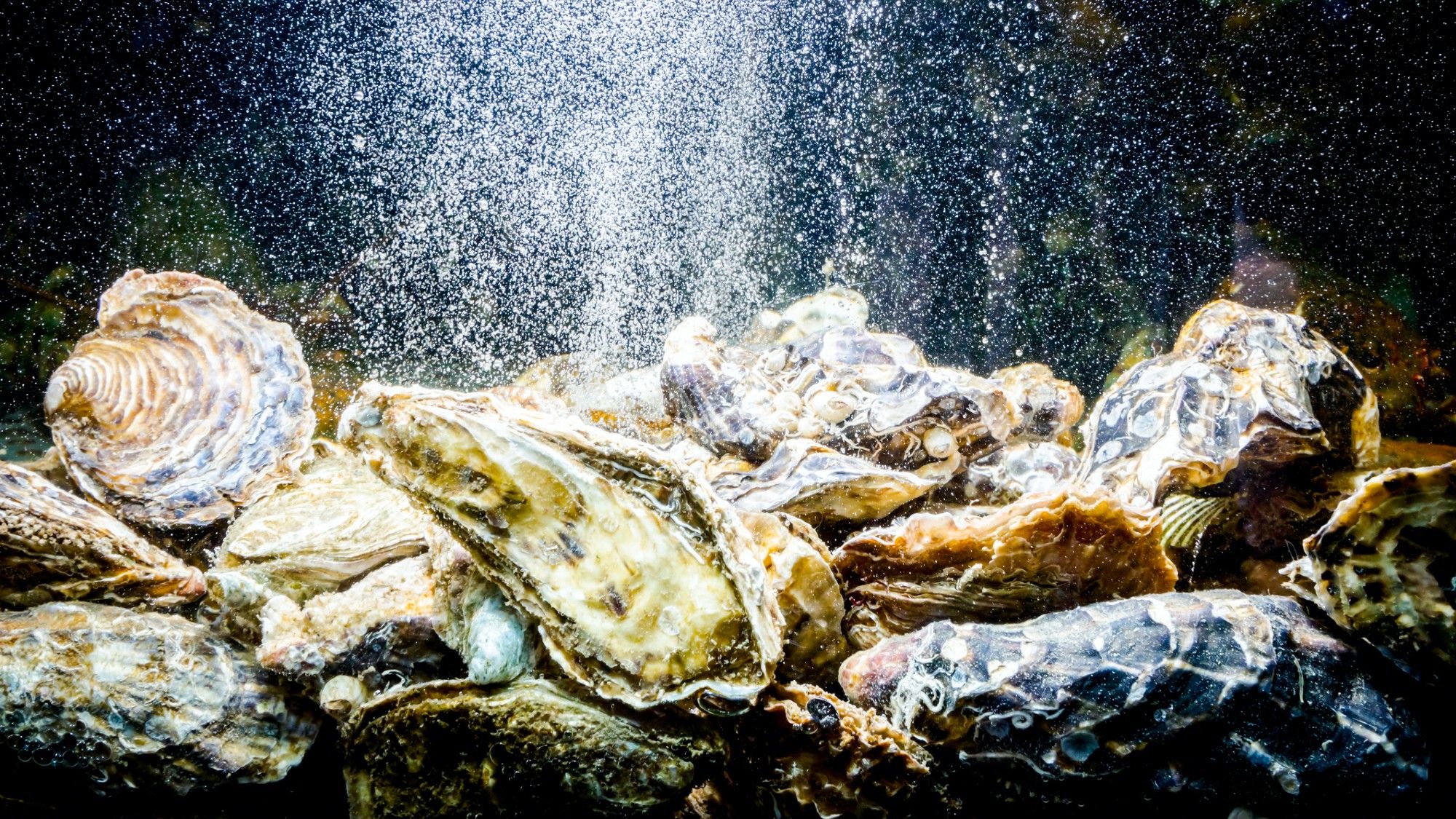
Researchers explore oyster-based water filtration for future space missions
Engineers at Harrisburg University and Monolith Space are researching the use of oysters and other "biogenerative" life support systems — li
 space.com·8d ago
Researchers explore oyster-based water filtration for future space missions
Engineers at Harrisburg University and Monolith Space are researching the use of oysters and other "biogenerative" life support systems — li
space.com·8d ago
Japanese Researchers Develop Transparent Paper from Cellulose as Plastic Alternative
Japanese researchers have developed thick sheets of transparent paper using cellulose, a material made from plant biomass. The paper can be
japannews.yomiuri.co.jp·1y ago
Hyphyn Launches World's First Biodegradable Performance Vinyl with Plastic-Eating Enzymes
Hyphyn, a new materials brand, has launched what it claims is the world's first biodegradable performance vinyl fabric. The material is impr
 Dezeen·10mo ago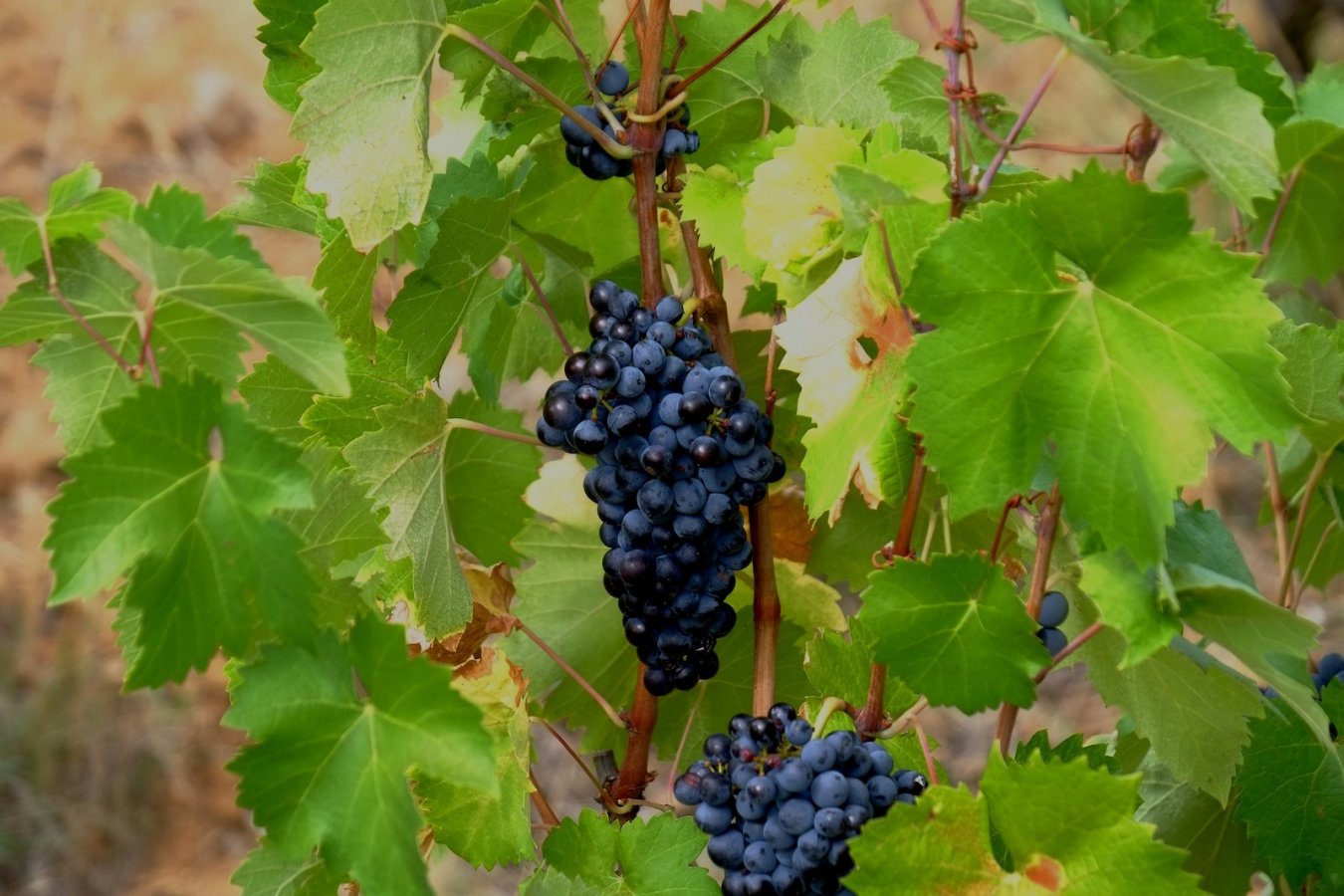
Grapevine Canes Converted into Stronger, Biodegradable Plastic Alternative
South Dakota State University researchers have developed a method to convert grapevine canes into a biodegradable plastic-like material that
 sdstate.edu·9mo ago
Comments
Sign in to join the conversation.
No comments yet. Be the first.