
























Researchers explore oyster-based water filtration for future space missions
By
Elizabeth Howell
Summary
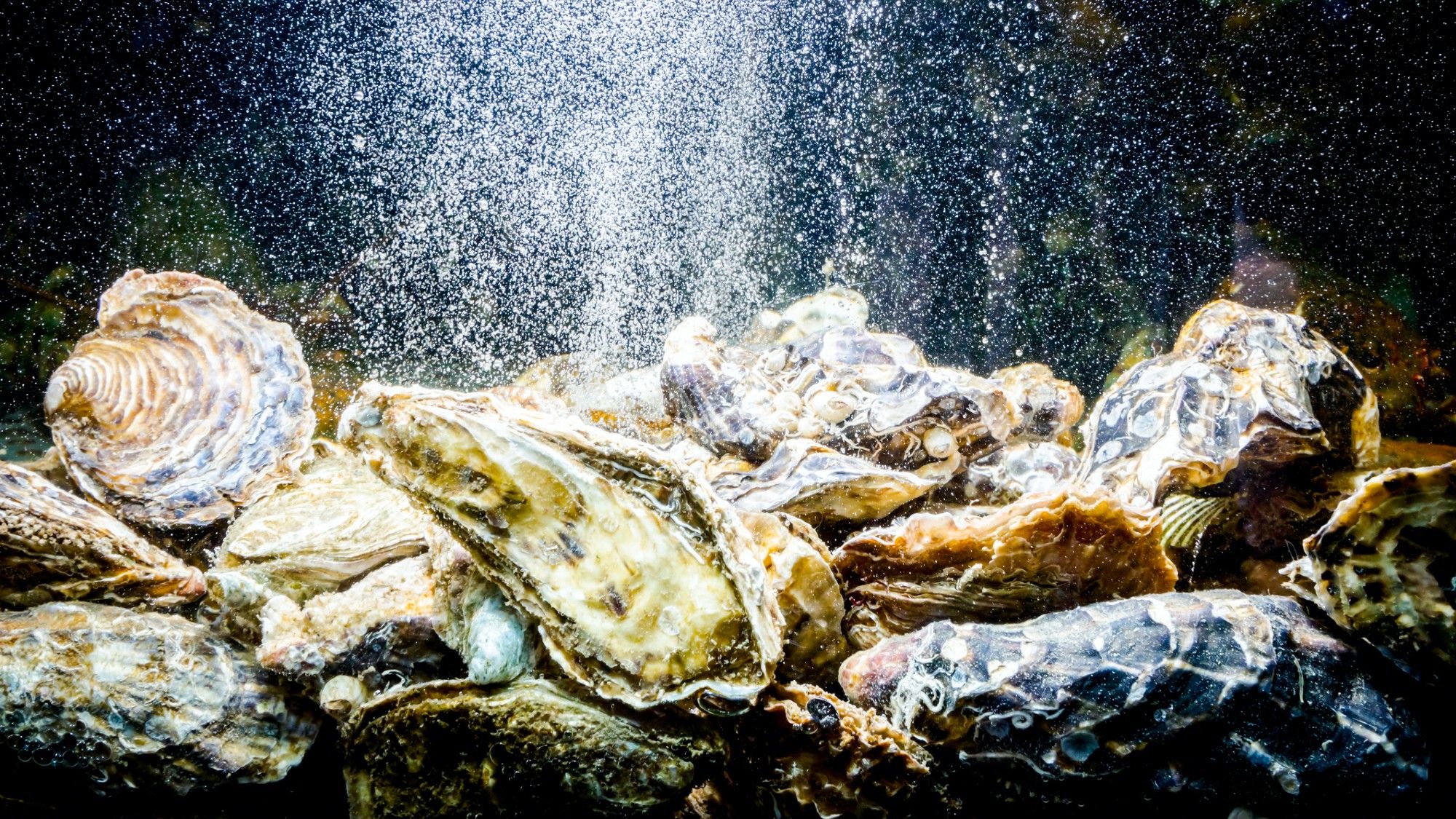
Engineers at Harrisburg University and Monolith Space are researching the use of oysters and other "biogenerative" life support systems — living organisms that provide food, water recycling, and air regeneration — for future long-duration space missions. The concept leverages oysters' natural water filtration abilities as a potential component of closed-loop life support systems for astronauts, drawing inspiration from nature to solve the challenges of sustainable space travel.
Source
 Twitter / XResearchers explore oyster-based water filtration for future space missionsspace.com
Key quotes
· 3 pulledOysters and other forms of 'biogenerative' life support systems, which use living beings for food, water recycling and air regeneration, are under study at Pennsylvania's Harrisburg University with Monolith Space.
Engineers looking for safe water and recycled air for astronauts should look no further than nature, according to one team of researchers.
New research suggests oysters 'provide natural water filtration', suggesting a possible use during long-duration missions.
You might also wanna read

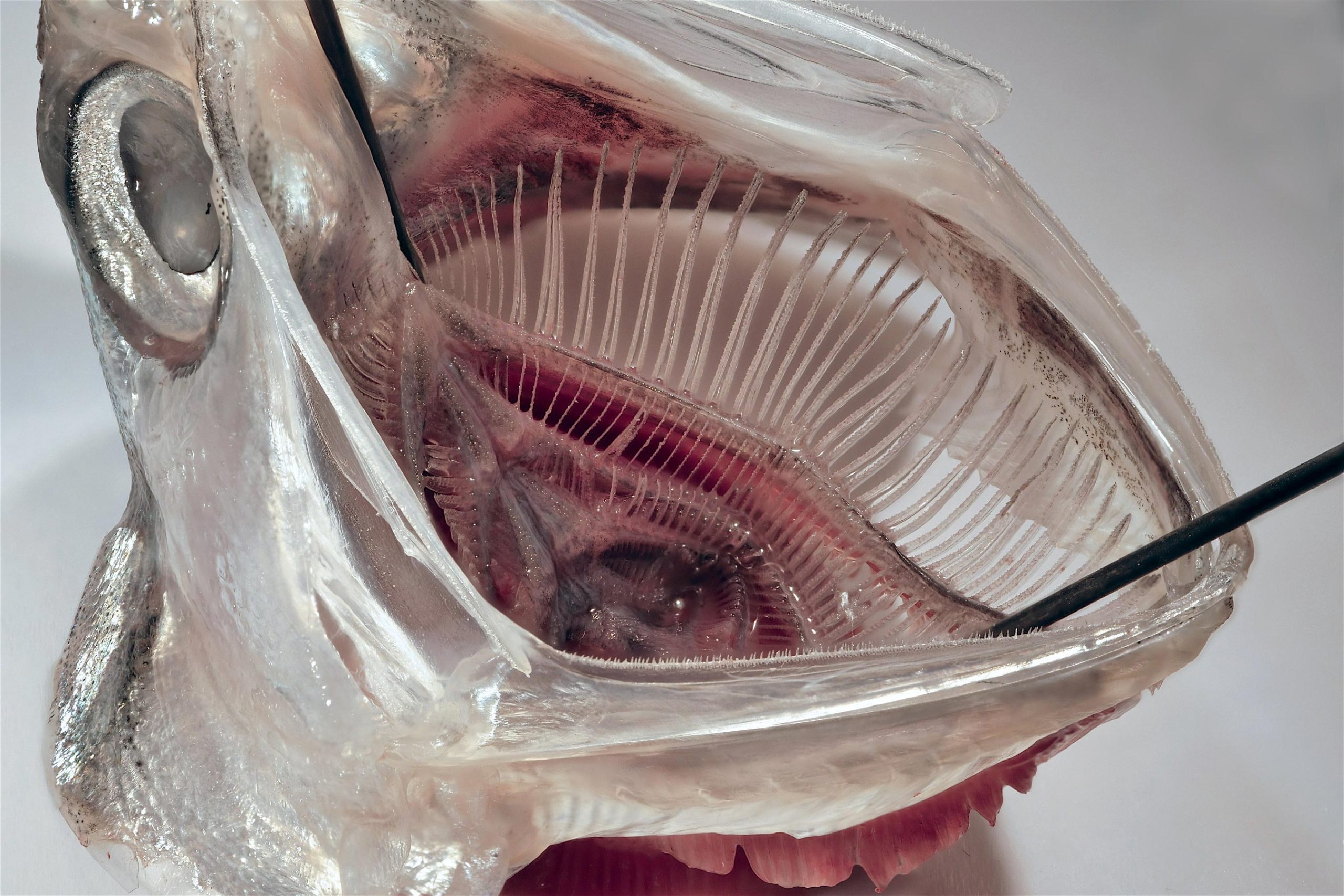
University of Bonn Researchers Develop Fish-Inspired Filter That Removes 99% of Microplastics from Wastewater
Researchers at the University of Bonn have developed a new filter inspired by fish gill arches that can remove over 99% of microplastics fro
Fungi that filter water, 3D-printed infrastructure, and river life monitors win the sixth Water Breakthrough Challenge - Water Innovation Fund

University of Rochester develops solar desalination method that eliminates chemical waste and recovers minerals
University of Rochester researchers have developed a new solar-powered desalination technology that converts seawater into drinking water wi
 oilprice.com·23d ago
Microbe Chroococcidiopsis Shows Potential to Produce Oxygen from Martian Soil
Scientists have discovered that the extremophile microbe Chroococcidiopsis can grow on materials similar to Martian soil and produce oxygen,
 scienceclock.com·6mo ago
Microbial biospherics: A framework for studying closed ecosystem function and evolution
This article introduces a framework for "microbial biospherics" — the experimental study of matter-closed, energy-open ecosystems at a micro
 pnas.org·26d ago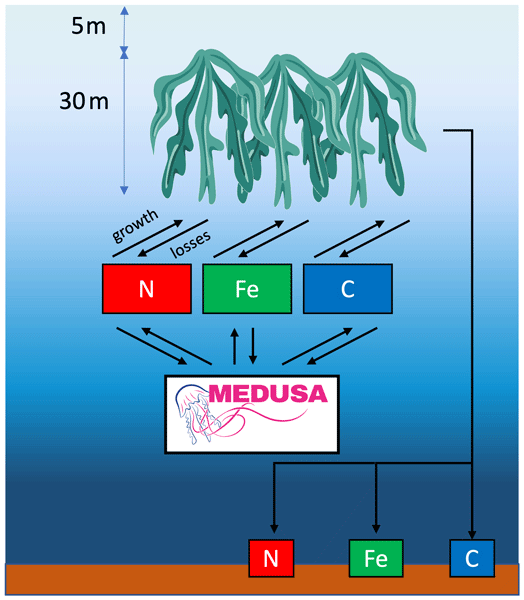
Study finds large-scale seaweed cultivation offers low carbon removal potential with significant ecological costs
This study uses a new macroalgae aquaculture module within the NEMO-MEDUSA ocean biogeochemistry model to assess the potential of large-scal
 bg.copernicus.org·21d ago
Comments
Sign in to join the conversation.
No comments yet. Be the first.