
























Scientists reveal a simple feedback tweak that could improve human-machine interface control
From the article
Learning to control a robotic limb or recover movement after a stroke is incredibly difficult. But a new study reveals that providing real-time, instantaneous feedback about task success can dramatically boost motor control when sensory information is missing.
Continue reading on PsyPostYou might also wanna read

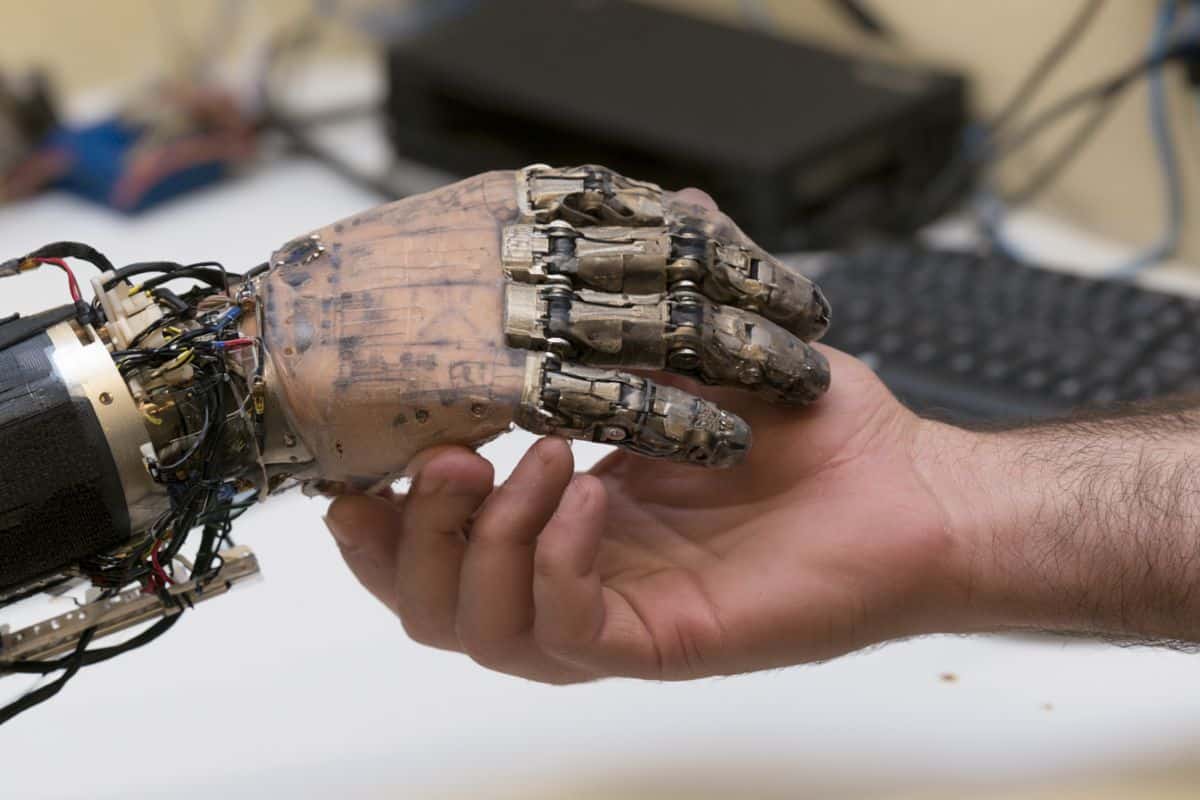
Dual brain-machine interfaces restore natural movement sense for prosthetic limb users
Researchers have developed dual brain-machine interfaces that restore kinesthesia—the sense of muscle movement and joint position—for prosth
 neurosciencenews.com·11d ago
VR + nerve stimulation shows promise in stroke rehabilitation
healthcare-in-europe.com·9d ago

Robotic exoskeletons in post-stroke gait rehabilitation: therapist-exoskeleton-patient interaction
This article examines the use of robotic exoskeletons in post-stroke gait rehabilitation. It highlights how traditional therapist-led physic
 scim.ag·17d ago
Comparative Effects of Mirror Therapy, Proprioceptive Neuromuscular Facilitation, and Constraint-Induced Movement Therapy on Upper Limb Motor Recovery in Stroke Survivors: A Three-Arm Randomized Controlled Trial
clinicaltrials.gov·3d ago
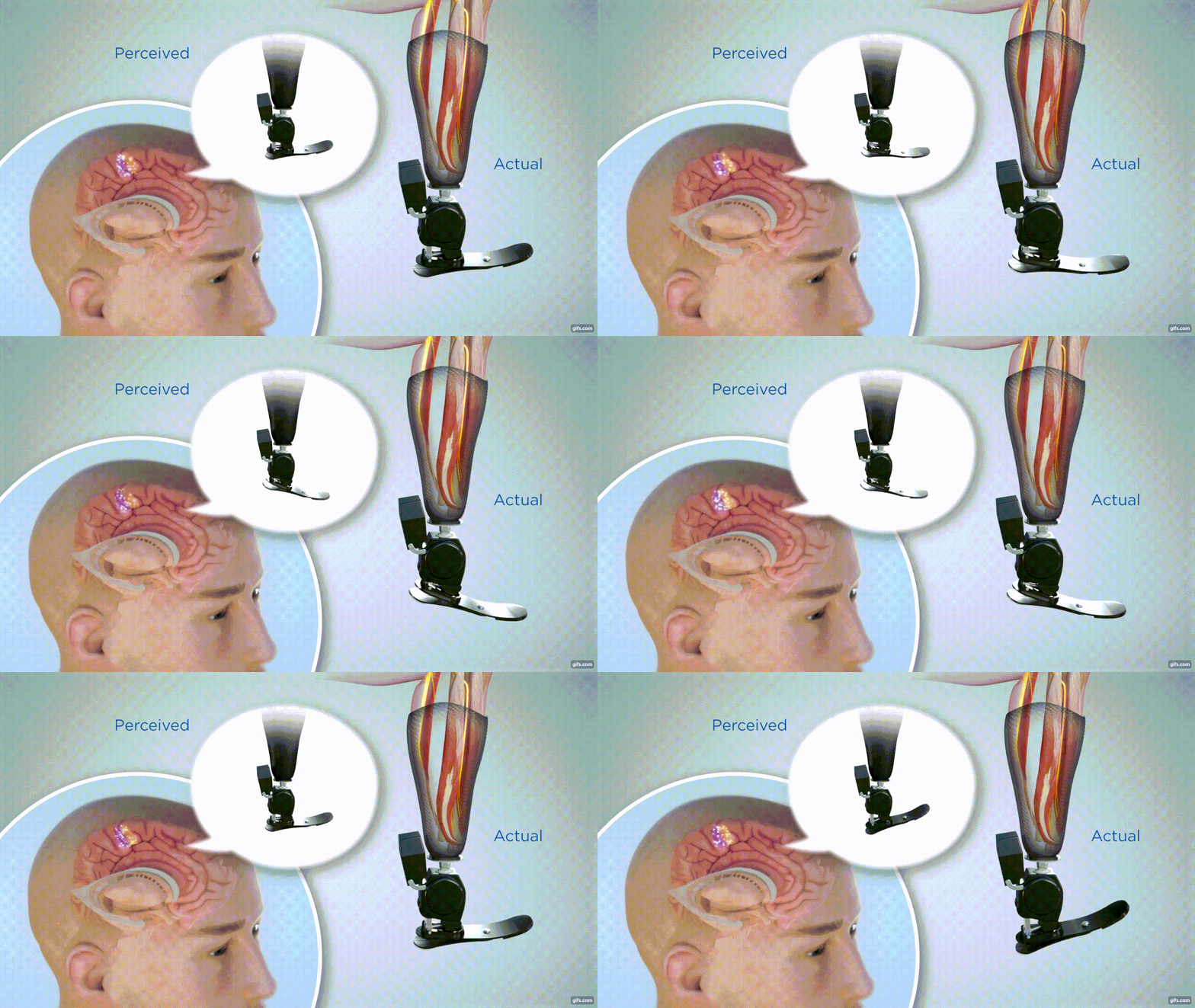
MIT Media Lab's AMI Project: Restoring Proprioception in Prosthetic Limbs
The article describes the Agonist-antagonist Myoneural Interface (AMI) project from MIT Media Lab, which aims to restore proprioception in p
 media.mit.edu·6mo ago
Could a brain implant help stroke victims? A local man is the first case study
omny.fm·10mo ago
Comments
Sign in to join the conversation.
No comments yet. Be the first.