
























Robotic exoskeletons in post-stroke gait rehabilitation: therapist-exoskeleton-patient interaction
By
Jose Pons
Summary
This article examines the use of robotic exoskeletons in post-stroke gait rehabilitation. It highlights how traditional therapist-led physical therapy for gait recovery is physically demanding and limits multi-joint interaction. Robotic exoskeletons offer a promising alternative by enabling multijoint support, reducing therapist strain, and potentially improving rehabilitation outcomes for individuals with lower limb impairments after stroke.
Source

 Twitter / XRobotic exoskeletons in post-stroke gait rehabilitation: therapist-exoskeleton-patient interactionscim.ag
Key quotes
· 4 pulledAfter a stroke, individuals often experience mobility impairments because of weakness and loss of independent joint control in the lower limbs.
Gait recovery becomes a primary goal of physical rehabilitation, traditionally achieved through high-intensity therapist-led training.
Conventional therapist-led approaches involving manual assistance or resistance can be physically demanding and limit interaction at multiple joints simultaneously.
Robotic exoskeletons have emerged as a promising solution, enabling multijoint support, reducing therapist strain, and offering...
You might also wanna read

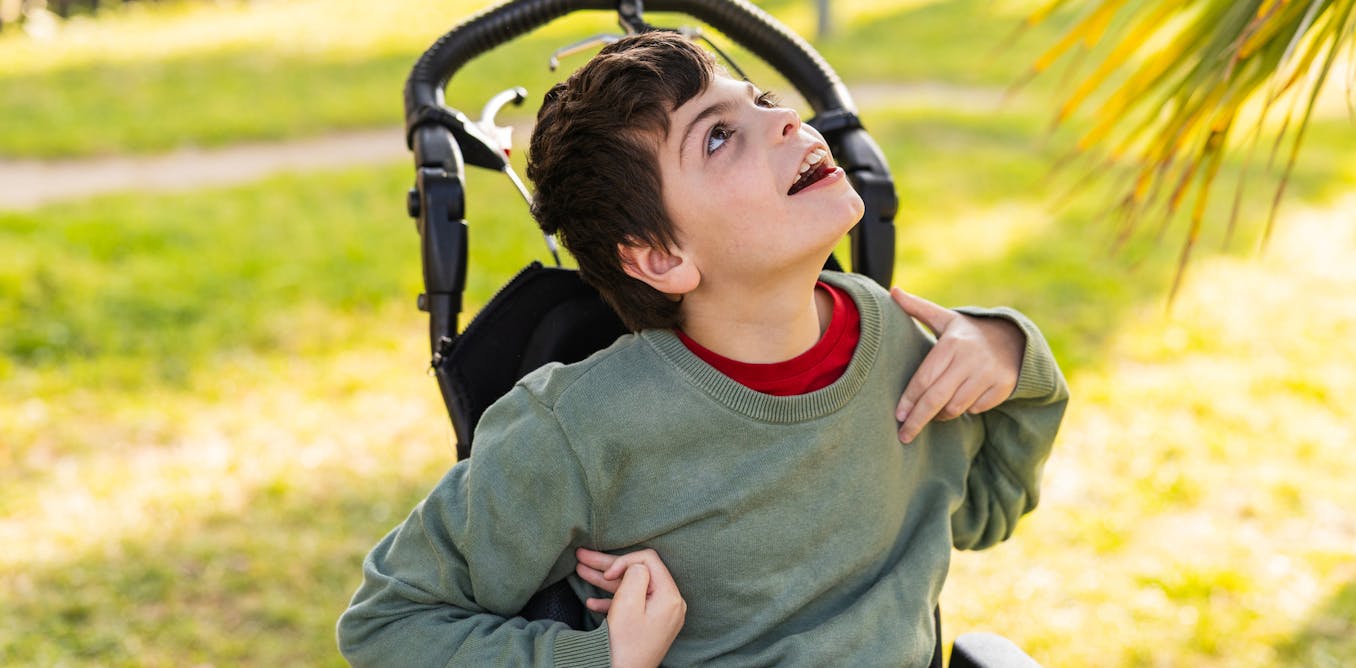
Exoskeleton therapy shows promise for cerebral palsy but faces implementation challenges
A new review on exoskeleton therapy for cerebral palsy reports promising findings. Cerebral palsy, the most common childhood-onset disabilit
 theconversation.com·29d ago
Challenges in Robot Development: Integrating Growth and Healing Abilities
The article discusses the limitations of current robots in terms of self-repair, physical development, and material integration for growth a
science.org·11mo ago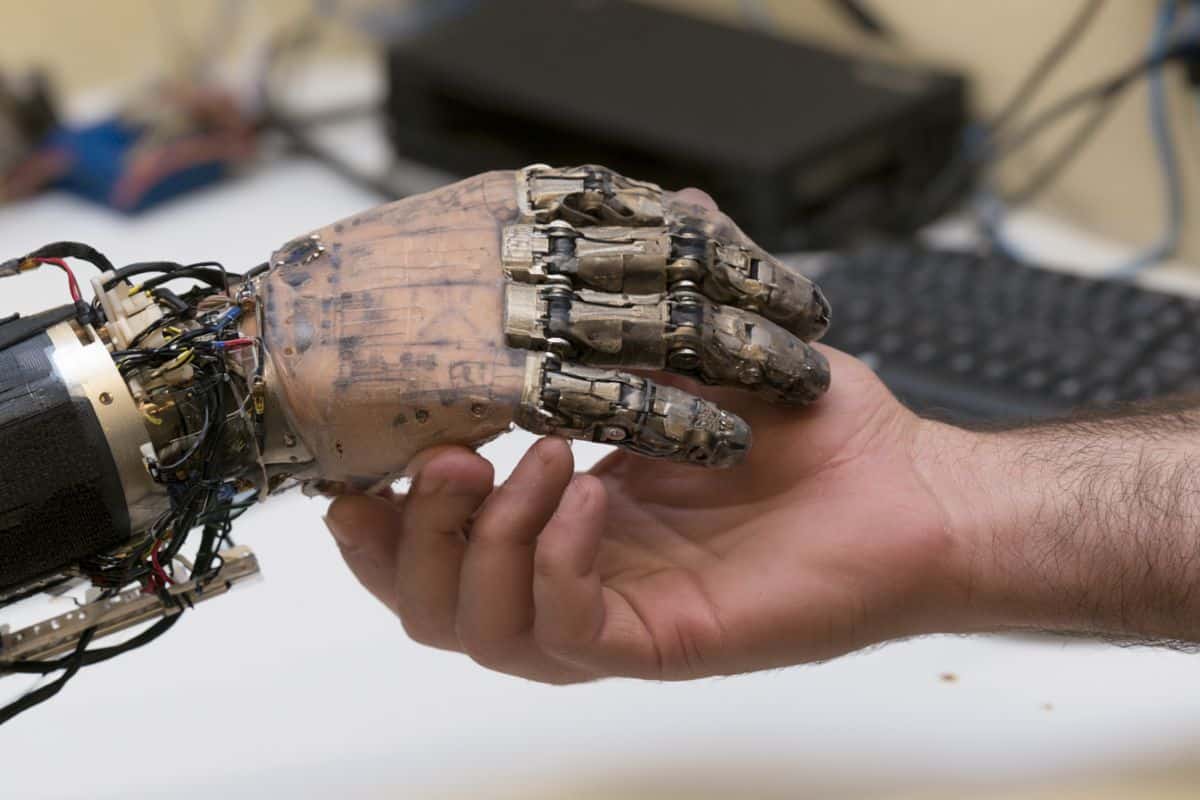
Dual brain-machine interfaces restore natural movement sense for prosthetic limb users
Researchers have developed dual brain-machine interfaces that restore kinesthesia—the sense of muscle movement and joint position—for prosth
 neurosciencenews.com·6d ago
OCAD University Students Design Rehabilitation Device for Stroke Survivors and Other Innovative Projects
This article showcases student design projects from OCAD University's Faculty of Design, featuring innovative solutions including a handheld
 Dezeen·9mo ago
How Self-Driving Vehicle Technology Is Being Adapted for Smart Wheelchairs and Mobility Aids
The article explores how autonomous vehicle technology is being adapted for smart wheelchairs and other mobility aids, highlighting the pote
 homebrace.com·12d ago
Testing Japan's Airec AI caregiving robot: A first-hand account of robotic elder care
The article recounts a first-person experience being cared for by the Airec, a Japanese AI-powered caregiving robot designed to assist elder
 The Telegraph·1mo ago
Comments
Sign in to join the conversation.
No comments yet. Be the first.