
























Study proposes using emerging technology to disrupt hurricanes, sparking scientific debate
By
, USA TODAY
Summary
A new study published in PLOS Water proposes that humanity should consider using emerging technologies to disrupt or steer hurricanes and other extreme weather events. The authors argue that traditional mitigation approaches like dams, levees, and insurance are insufficient to address the growing impact of climate-driven weather extremes. While the concept sounds like science fiction and faces significant skepticism from other scientists, the study contends that embracing weather modification technology may be necessary before climate change makes extreme weather even more catastrophic.
Source
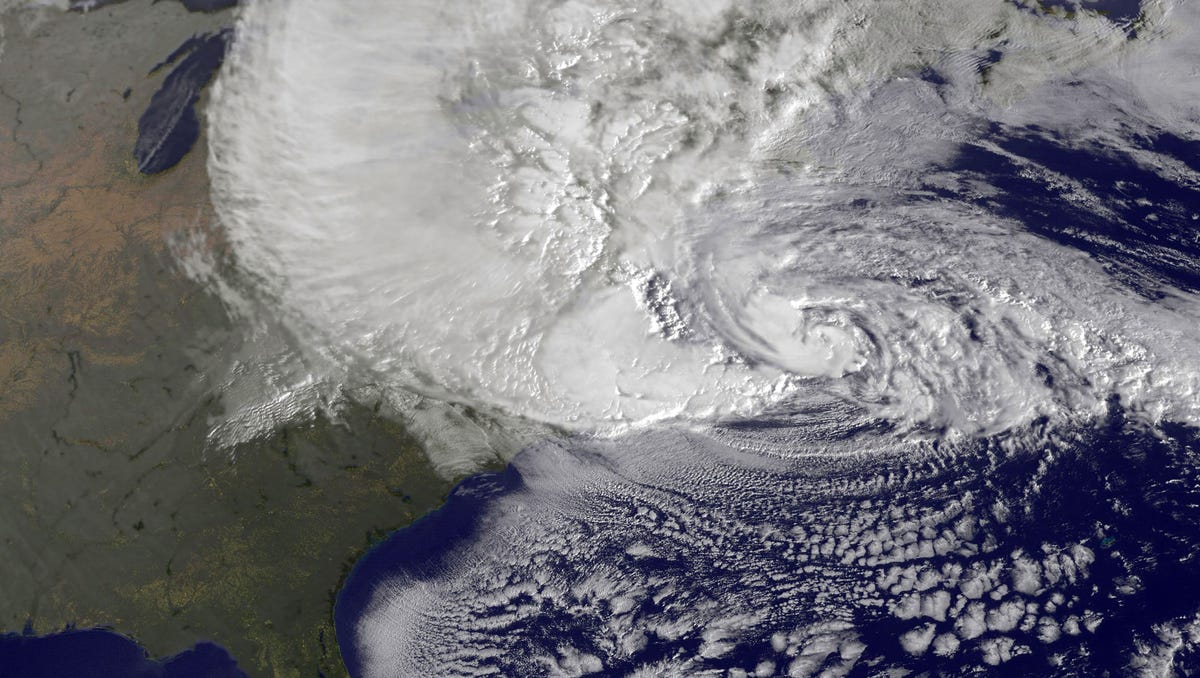
 bskyStudy proposes using emerging technology to disrupt hurricanes, sparking scientific debateusatoday.com
Key quotes
· 2 pulledThe growing impact of weather extremes on society highlights that traditional approaches such as dams, levees, and insurance alone may not be sufficient to address the widespread consequences of these hazards
It might sound like science fiction, but some scientists say we have tools that could be used to disrupt natural disasters. Others are skeptical.
You might also wanna read

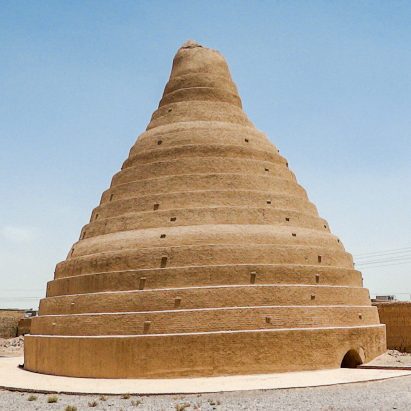
Eight Indigenous Water Management Technologies for Extreme Scenarios
Architect Julia Watson previews eight Indigenous technologies for water management from her upcoming book, showcasing traditional approaches
 Dezeen·8mo ago
How media disruption undermines climate science communication and justice
The article examines how digital disruption has transformed the media landscape over the past two decades, leading to declining trust in new
 iwmi.org·15d ago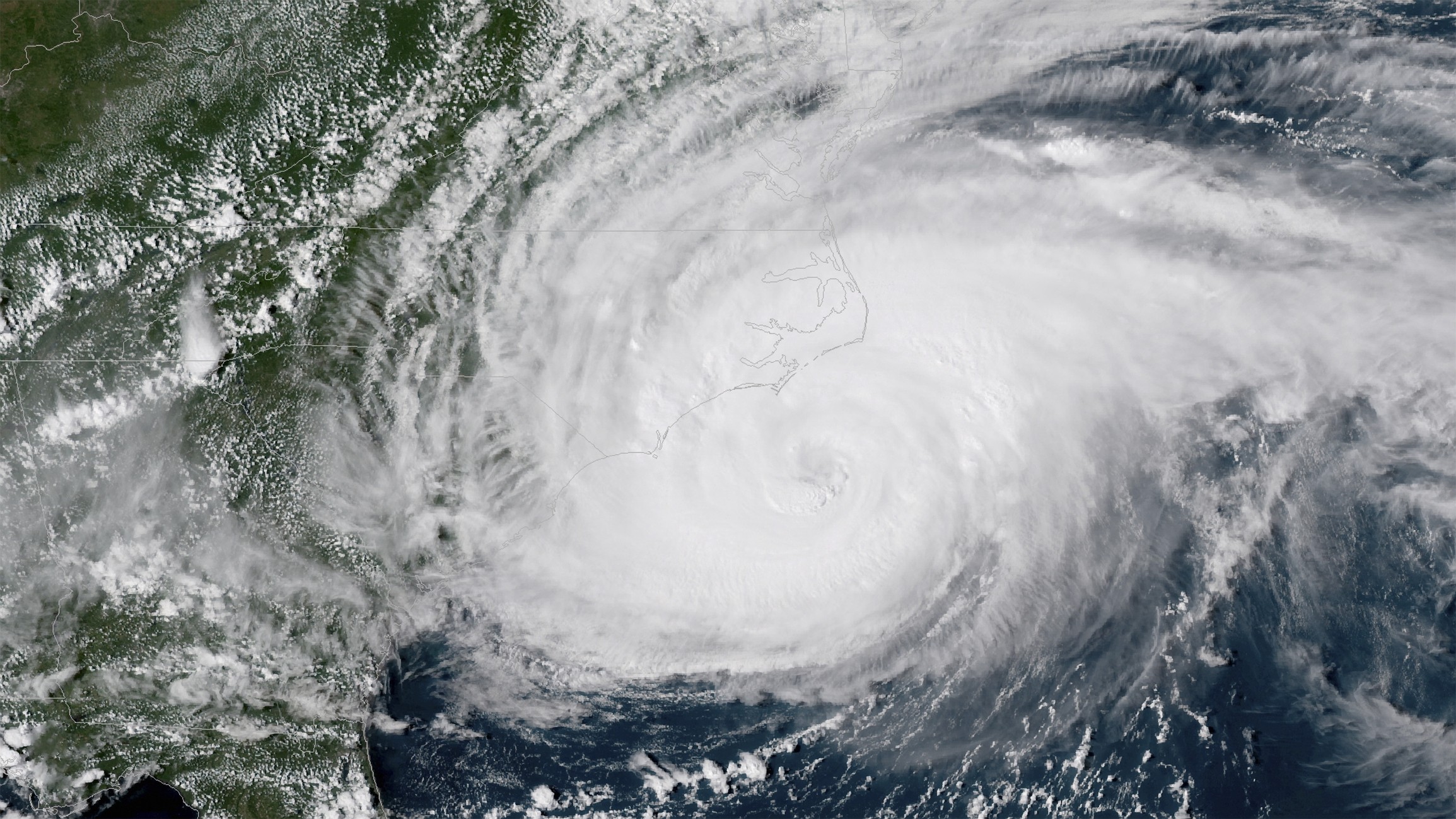
Study proposes new hurricane scale incorporating storm surge and rainfall risks, potentially adding Category 6
A study proposes a new hurricane categorization system that would incorporate storm surge and rainfall risks into the classification scale,
 livescience.com·10mo ago
Scientists Urged to Bridge Research-to-Policy Gap for Societal Impact
A PhD candidate from Puerto Rico argues that scientists must actively bridge the gap between research and policymaking to ensure scientific
 thebridge.agu.org·16d ago
Climate Scenario Corrections Strengthen, Not Weaken, the Case for Rapid Action in Europe
The article examines recent climate science developments — including the scrapping of the most extreme climate scenario (RCP 8.5), the retra
 foreignpolicy.com·3d ago
From Climate Catastrophism to Pragmatism: An Evolving Perspective on Climate Risk
The author reflects on his evolution from being a climate catastrophist to adopting a more pragmatic approach to climate change. He acknowle
 breakthroughjournal.org·8mo ago
Comments
Sign in to join the conversation.
No comments yet. Be the first.