

























Scientists Urged to Bridge Research-to-Policy Gap for Societal Impact
Summary
A PhD candidate from Puerto Rico argues that scientists must actively bridge the gap between research and policymaking to ensure scientific knowledge translates into effective public policy. Drawing from personal experience with natural hazards in Puerto Rico, the author emphasizes that academic isolation prevents research from reaching decision-makers who need it most. The article calls for scientists to step outside their academic bubbles and engage directly with policy processes.
Source
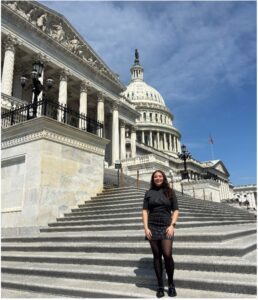
 Twitter / XScientists Urged to Bridge Research-to-Policy Gap for Societal Impactthebridge.agu.org
Key quotes
· 3 pulledI have witnessed firsthand how a disconnect between scientists and policymakers can harm society.
As someone who was born and raised in Puerto Rico, I have been exposed to countless natural hazards.
My PhD research focuses on compiling different remote sensing techniques to character
You might also wanna read

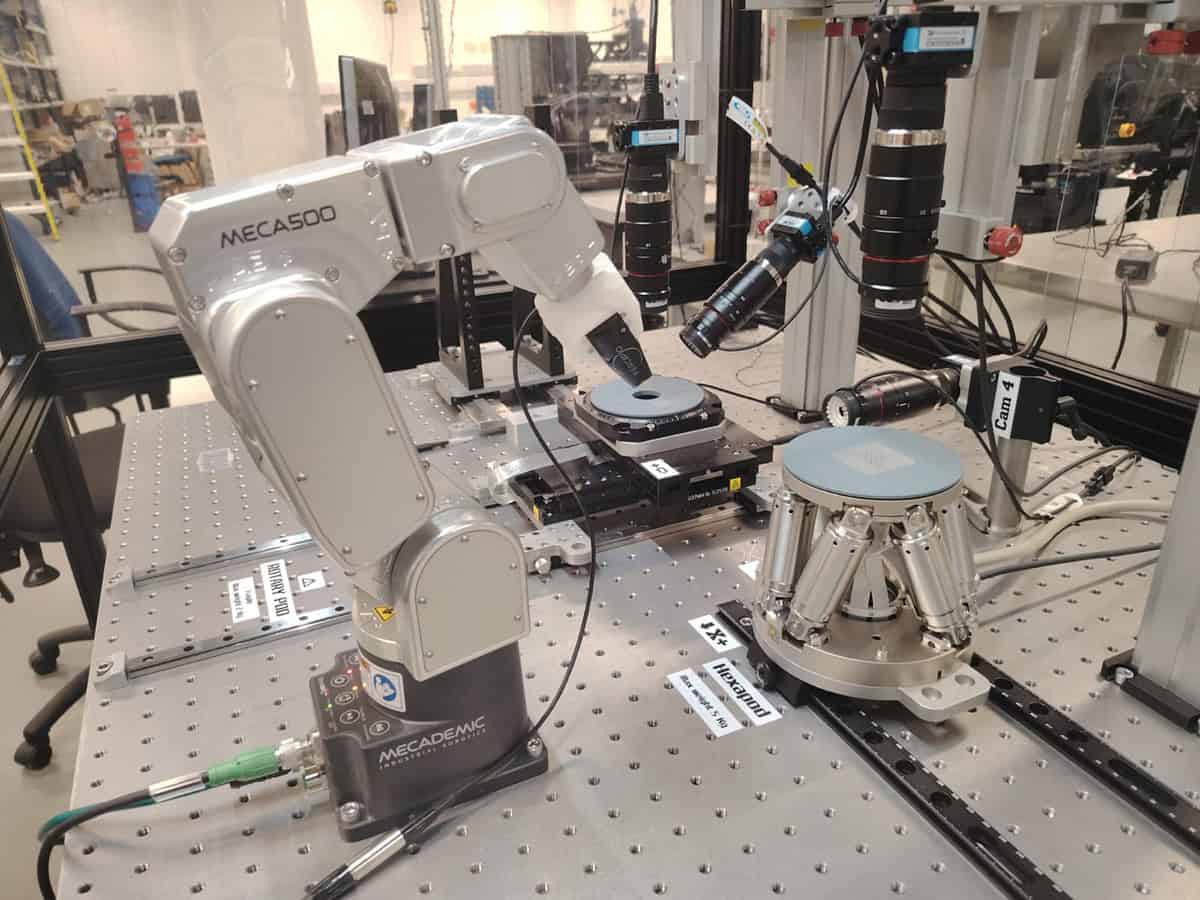
Scientists call for greater interdisciplinary collaboration to solve complex global challenges
Mike Hardy and Matt Nicholl argue that interdisciplinary collaboration is increasingly essential for solving complex modern problems. As the
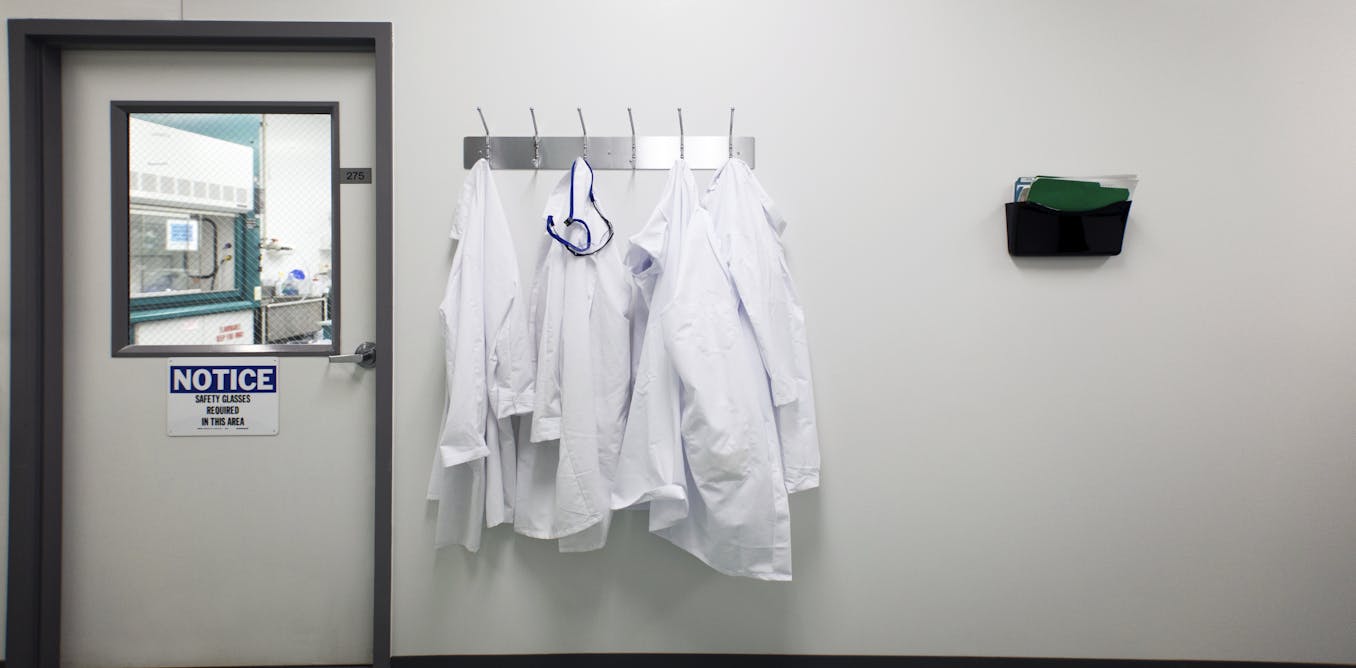
US researchers report self-censorship, stress, and recruiting challenges under Trump administration science policies
A survey of 280 US academic researchers reveals that the Trump administration's second-term science policies (since January 2025) have cause
 theconversation.com·26d ago
How politicization of academic collaborations threatens global scientific progress
The article discusses how the politicization of academic collaborations is threatening international scientific progress. It highlights that
 pnas.org·11d ago
Perspective in Environmental Research Letters grappling with the complexity of balancing open science with data sovereignty in agricultural data. 👩🔬🧪🌎🌾🐞🪲 “Socially inclusive governance and tec

Precision in actionable science: Moving beyond the vague "resource manager" framing
This perspective article critiques the vague use of "actionable science" in natural resources research, arguing that science is often framed
 conbio.onlinelibrary.wiley.com·18d ago
Open Science and Responsible Science: Balancing Benefits and Risks in Academic Research
This article discusses the dual nature of the Open Science movement—both constructive and destructive—based on a paper published in the Revi
 humanas.blog.scielo.org·6d ago
Comments
Sign in to join the conversation.
No comments yet. Be the first.