
























Study finds aging muscle may promote cancer growth, but exercise could restore protective function
By
Duke-NUS
Summary
Scientists discovered that aging muscle may contribute to cancer growth by releasing fewer extracellular vesicles—tiny particles cells use to communicate. The composition of these particles also changes with age, weakening protective signals that suppress tumor development. Exercise appears to restore this protective function. Published in Nature Communications, the findings offer insights into healthy aging and cancer prevention and point to potential biomarkers.
Source

 Twitter / XStudy finds aging muscle may promote cancer growth, but exercise could restore protective functionfuturity.org
Key quotes
· 4 pulledScientists have discovered that aging muscle may contribute to cancer growth by releasing fewer extracellular vesicles, tiny particles that cells use to communicate with one another.
Their study also found that composition of these particles changes with age, weakening protective signals that help suppress tumor development.
Encouragingly, exercise appears to restore this protective function.
Published in Nature Communications, the findings offer fresh insights into healthy aging and cancer prevention, as well as point to potential biomarkers
You might also wanna read


Six-month trial finds exercise intensity influences body composition changes in older adults
This study examines how exercise intensity affects body composition changes in healthy older adults (average age 72) over a 6-month period.

Cells Use Bioelectric Signals to Coordinate Collective Expulsion of Unhealthy Cells
Recent research published in Nature reveals that cells use bioelectricity to coordinate a collective behavior called extrusion, where tissue
 quantamagazine.org·5mo ago
Study Identifies Phosphatidylcholine Loss as Driver of Mitochondrial Aging, Shows Reversal Possible
Scientists have discovered that the loss of phosphatidylcholine, a membrane lipid essential for mitochondrial flexibility and connectivity,
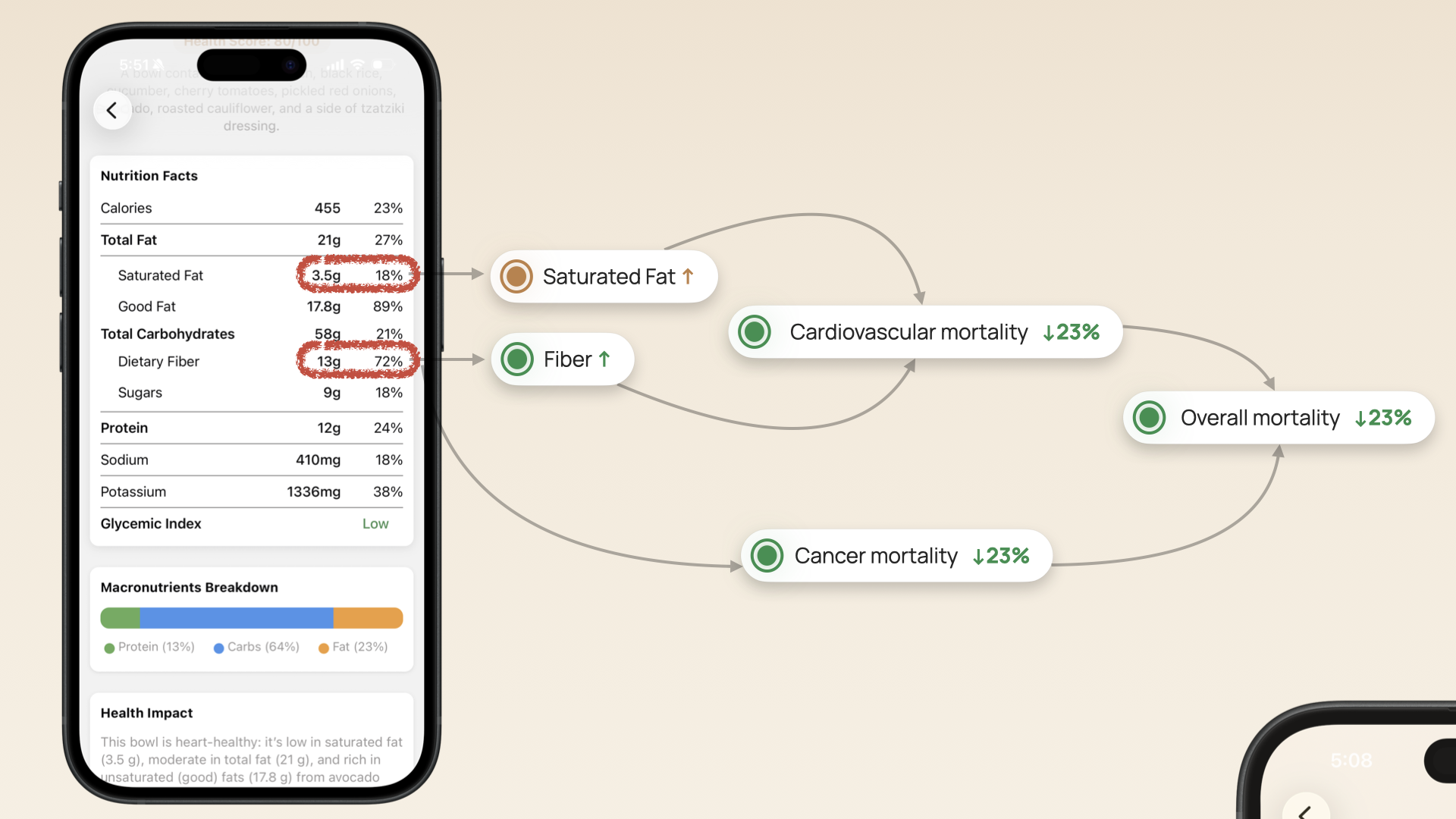
Meta-analysis: Fiber Reduces Overall Mortality by 23%, Cardiovascular Death by 26%, and Cancer Risk by 22%
A meta-analysis of 64 studies with over 3.5 million subjects found that fiber intake reduces overall mortality by 23%, cardiovascular mortal
 empirical.health·7mo ago
Study: Air Pollution Reduces Health Benefits of Exercise, Especially in High PM2.5 Areas
A large international study analyzing health data from over 1.5 million adults across multiple countries found that air pollution, particula
 scienceclock.com·7mo ago
Scientists Identify vgll3 Gene That Boosts Early Growth but Increases Aging and Cancer Risk
Researchers have identified the vgll3 gene that boosts early-life growth and reproductive success but increases aging and cancer risk later
Comments
Sign in to join the conversation.
No comments yet. Be the first.