





















Study Identifies Phosphatidylcholine Loss as Driver of Mitochondrial Aging, Shows Reversal Possible

Master baker tier. Every paragraph earns its place on the tray.
Summary
Scientists have discovered that the loss of phosphatidylcholine, a membrane lipid essential for mitochondrial flexibility and connectivity, is a key driver of cellular aging. Their research demonstrates that restoring this lipid can rejuvenate mitochondrial networks and reverse age-related cellular energy decline, offering a potential pathway for anti-aging interventions.
Key quotes
· 3 pulledScientists identified phosphatidylcholine loss as a key driver of mitochondrial aging and showed that restoring it can rejuvenate cellular energy networks.
Why do cells age, and why do people gradually lose energy and vitality over time?
Scientists have long focused on mitochondria, the tiny structures inside cells responsible for producing energy.
You might also wanna read

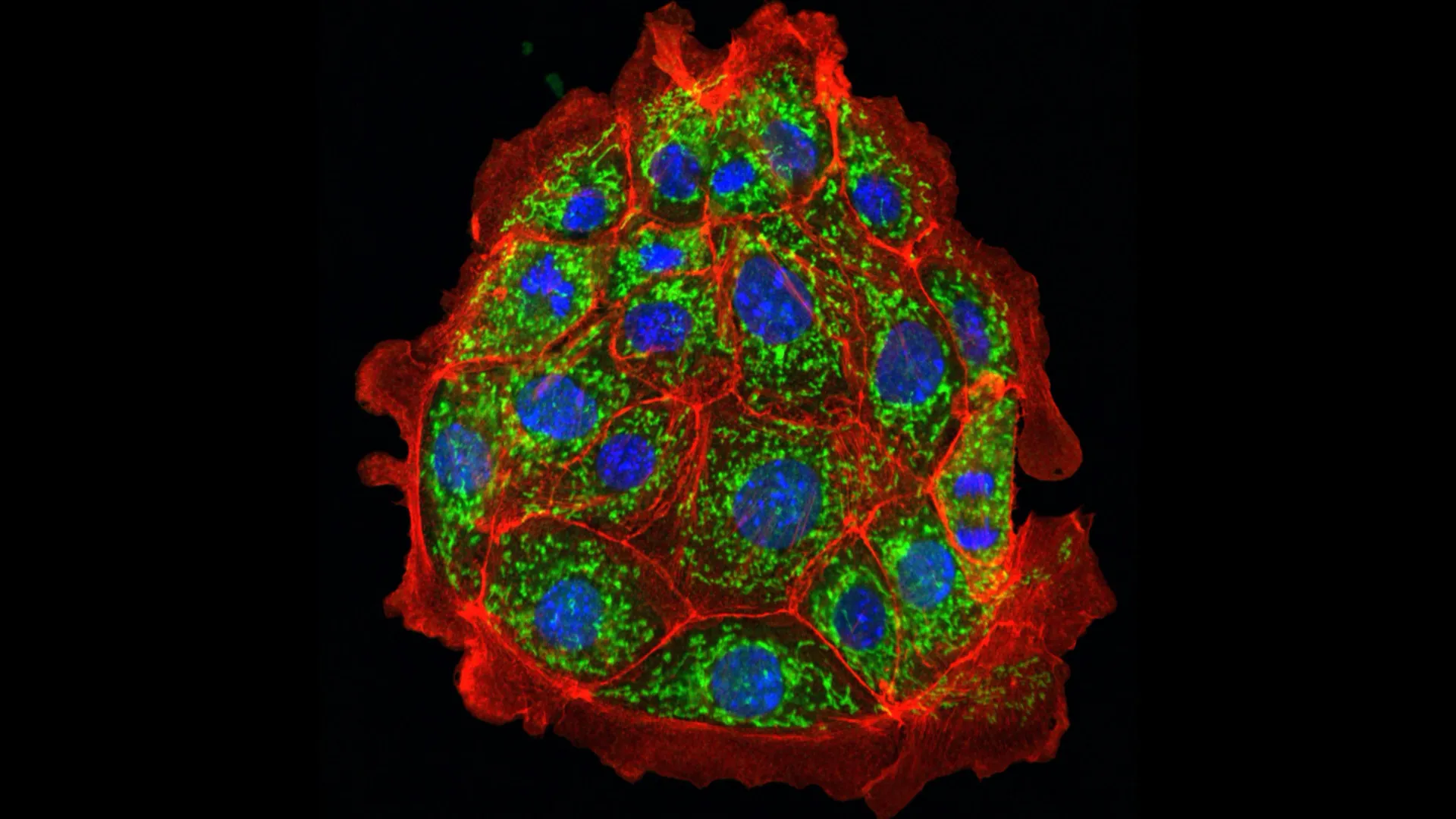
Researchers Reverse Kidney Damage in Mice by Targeting Ceramide-Induced Mitochondrial Damage
Researchers at University of Utah Health discovered that fatty molecules called ceramides trigger acute kidney injury (AKI) by damaging mito

UCSF Researchers Identify FTL1 Protein as Key Factor in Brain Aging and Potential Reversal
Researchers at UC San Francisco have discovered that a protein called FTL1 plays a central role in brain aging. In mice studies, older anima
Method to reverse cellular ageing is about to be tested in humans
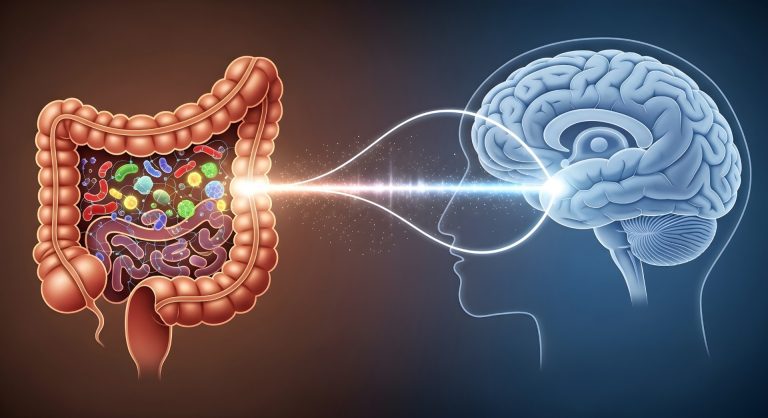
Stanford Study: Restoring Gut-Brain Communication Reverses Cognitive Decline in Aging Mice
Stanford Medicine researchers discovered that aging-related changes in gut bacteria composition trigger an inflammatory response that impair
 med.stanford.edu·3mo ago
Psilocybin Delays Cellular Aging and Extends Lifespan in Preclinical Study
Psilocybin, the active compound in psychedelic mushrooms, significantly delayed cellular aging and extended lifespan in a preclinical study
 neurosciencenews.com·11mo ago
Stanford Medicine Study Uncovers Biomolecular Shifts in 40s and 60s
A Stanford Medicine study reveals significant biomolecular changes in individuals in their 40s and 60s, impacting molecules and microorganis
med.stanford.edu·11mo ago