
























Study: Air Pollution Reduces Health Benefits of Exercise, Especially in High PM2.5 Areas
Study finds air pollution can reduce the health benefits of exercise, especially in areas with high PM2.5 levels.
Read the full articleYou might also wanna read


Even tiny bursts of exercise provide measurable health benefits
Even tiny bursts of activity have measurable benefits
 economist.com·11d ago
Pollution leaves a mark on health: study finds more microplastics in heart attack patients
The research suggests that smoking as well as breathing polluted air could facilitate the entry of these tiny particles into the bloodstream
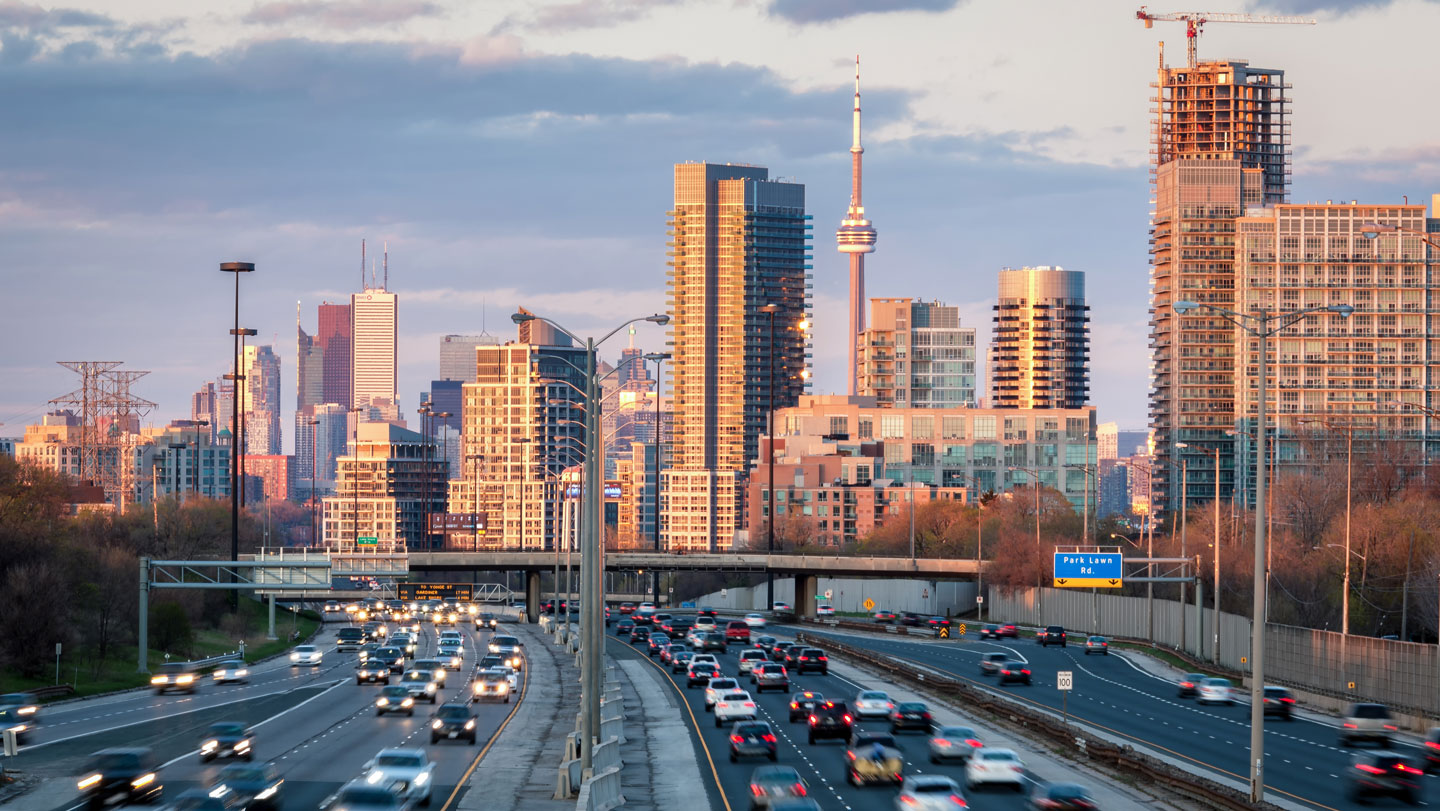
Study links long-term exposure to 'safe' air pollution levels with early signs of heart artery damage
An imaging study found early signs of coronary artery disease in people in Canada breathing air that regulators consider clean.
 sciencenews.org·18d ago
Study finds parks reduce air pollution and temperatures hundreds of metres beyond their borders
In a study published in City and Environment Interactions, researchers used high-frequency monitoring to assess how parks influence air temp
 surrey.ac.uk·23d ago
Study finds exercise programs boost smoking cessation rates by 15-21%
A pack-a-day smoker can spend around $14,000 a year on cigarettes, yet despite the financial and health costs, quitting remains one of the m
 news-medical.net·14d ago
Climate Change Risks Undoing Decades of Progress Toward Clearing the Air
Air pollution is a known threat to public health . The World Health Organization (WHO) estimates that as many as 4.2 million premature...
Comments
Sign in to join the conversation.
No comments yet. Be the first.