
























Orange Yeast from Baltimore Sidewalk Shows Promise for Eco-Friendly Mosquito Traps in Malaria Fight
Summary
Researchers at Johns Hopkins Bloomberg School of Public Health have discovered that an orange-colored yeast species, originally isolated from a Baltimore sidewalk, could be used to create eco-friendly mosquito traps to combat malaria. The study explores how yeasts and fungi naturally attract insects to spread their cells and spores, and investigates the ability of common yeasts to attract mosquitoes through their fragrance and sticky qualities.
Source

 Twitter / XOrange Yeast from Baltimore Sidewalk Shows Promise for Eco-Friendly Mosquito Traps in Malaria Fightpublichealth.jhu.edu
Key quotes
· 3 pulledAn orange-colored yeast species isolated from a Baltimore sidewalk several years ago could be the basis of eco-friendly mosquito traps that reduce malaria transmission
Yeasts and other fungal species are known to have an intertwined relationship with insects
Much as plants lure animals to consume their fruits and spread their seeds, fungi lure insects to land on them and pick up and spread their cells and spores
You might also wanna read
Scientists genetically engineer a lethal mosquito STD to combat malaria


Bacterial symbiont and plant virus protect insect hosts by inducing cuticle thickening against fungal parasites
This research article investigates a tripartite defensive symbiosis involving a bacterial symbiont (Hamiltonella defensa), a plant virus (To
 pnas.org·2h ago
Fungi that filter water, 3D-printed infrastructure, and river life monitors win the sixth Water Breakthrough Challenge - Water Innovation Fund
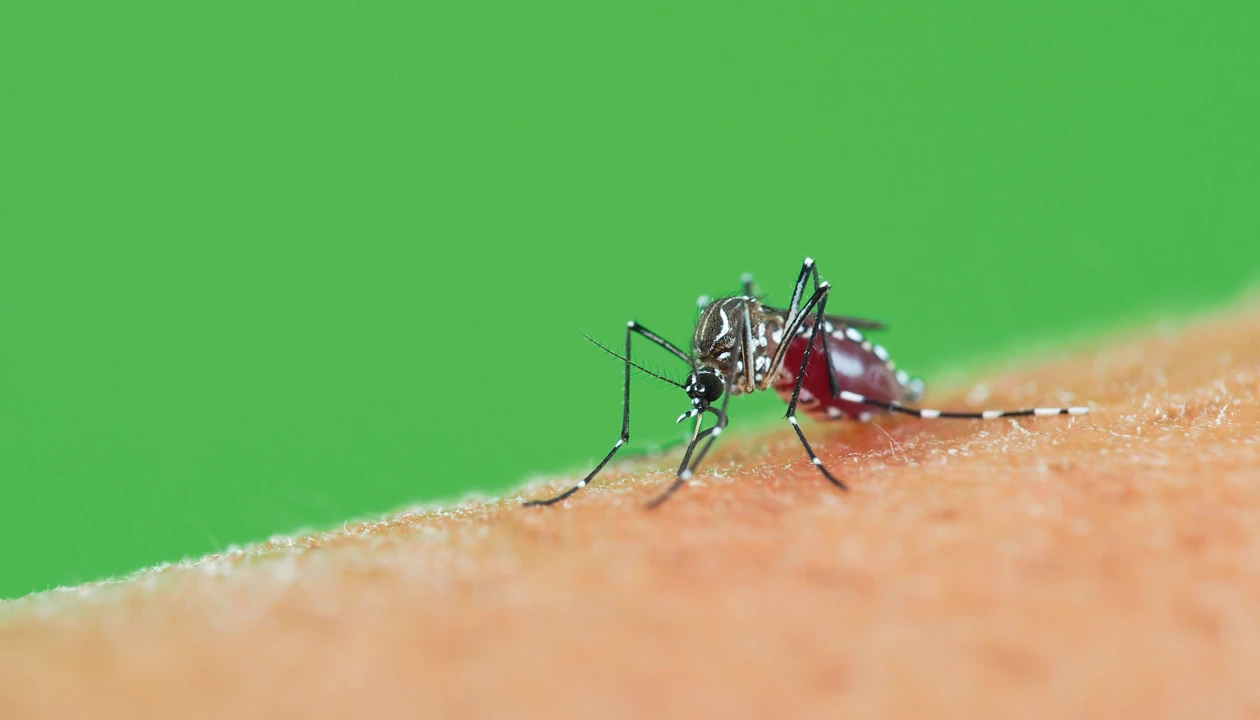
Study: Mosquitoes can learn to associate DEET with food, potentially reducing repellent effectiveness
A study reveals that mosquitoes can learn to associate DEET, a common insect repellent, with food sources, potentially making the chemical a
 cenm.ag·22d ago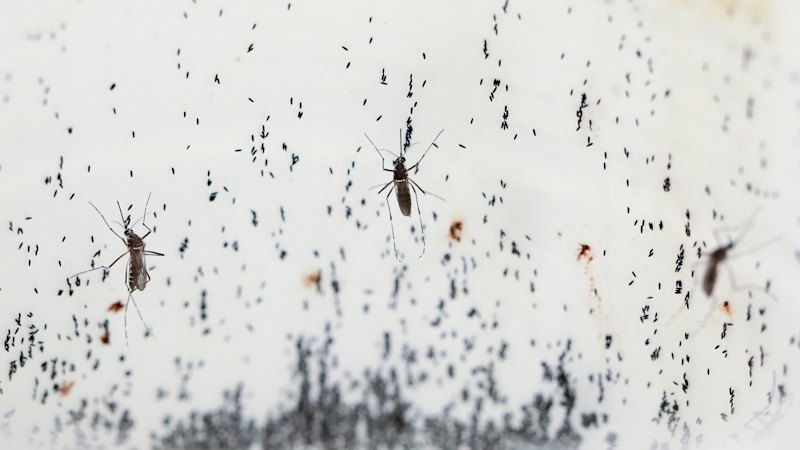
How Wolbachia-infected mosquitoes could stop disease spread: Evidence from field trials
The article discusses the World Mosquito Program's use of Wolbachia bacteria to combat mosquito-borne diseases. Wolbachia bacteria outcompet
 smh.com.au·23d ago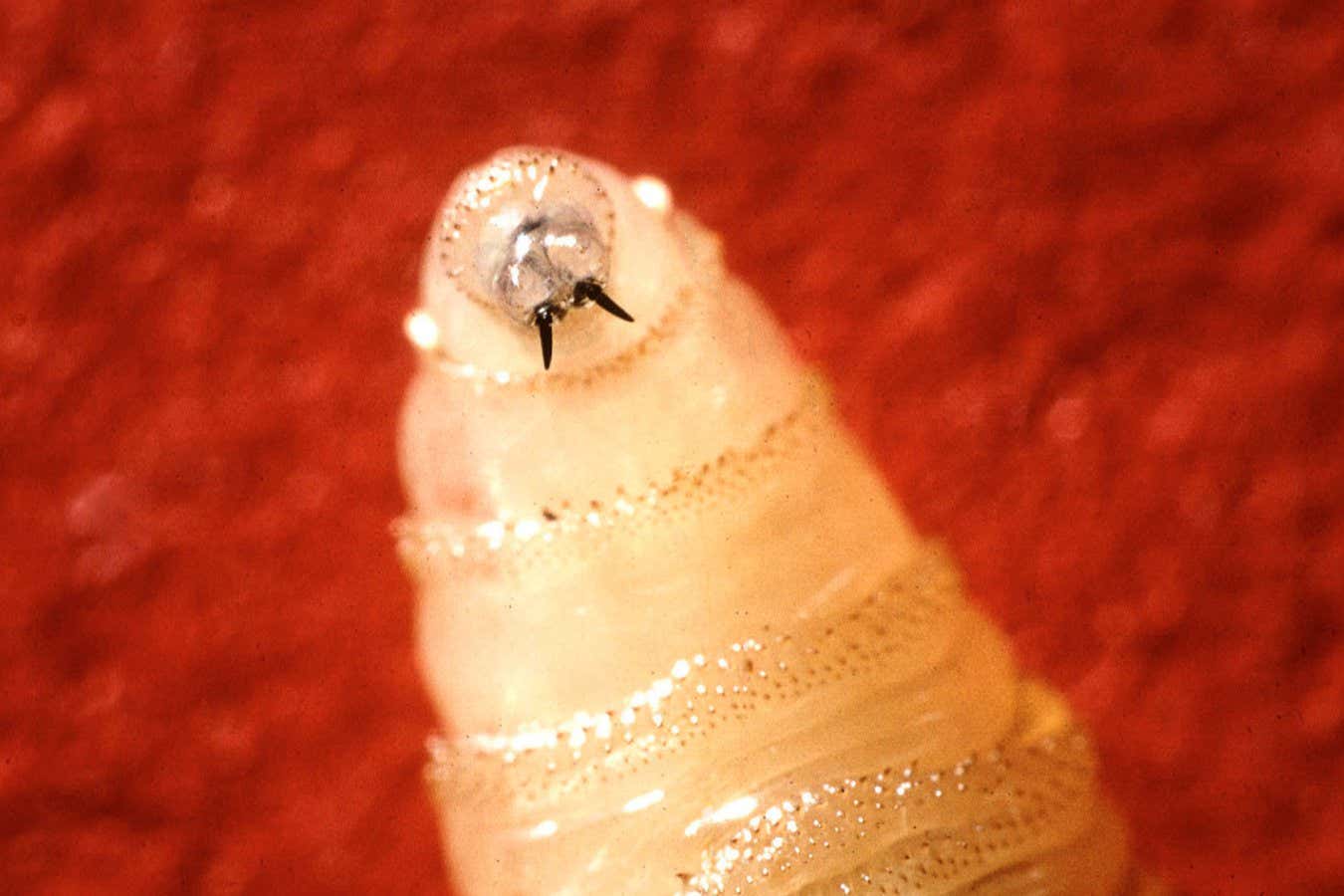
Gene drives could target screwworm as first species for deliberate extinction
Columnist Michael Le Page explores the controversial topic of using gene drives (extinction drives) to deliberately wipe out harmful species
 newscientist.com·4h ago
Gene drives could target screwworm as first species for deliberate extinction
Columnist Michael Le Page explores the controversial topic of using gene drives (extinction drives) to deliberately wipe out harmful species
newscientist.com·4h agoGene drives could target screwworm as first species for deliberate extinction
Columnist Michael Le Page explores the controversial topic of using gene drives (extinction drives) to deliberately wipe out harmful species
newscientist.com·4h ago
Comments
Sign in to join the conversation.
No comments yet. Be the first.