





















Study: Mosquitoes can learn to associate DEET with food, potentially reducing repellent effectiveness
By
Becca Owen, special to C&EN

A baker's-dozen of insight crammed into one ring.
Summary
A study reveals that mosquitoes can learn to associate DEET, a common insect repellent, with food sources, potentially making the chemical attractive rather than repulsive in warmer conditions. The Pavlovian-style experiment showed that after repeated exposure, mosquitoes developed a learned preference for DEET-scented surfaces when paired with a food reward. This challenges the long-held assumption that DEET is universally repellent and raises concerns about its effectiveness as climate change expands mosquito habitats and disease transmission.
Key quotes
· 3 pulledDEET, or the chemical N,N-diethyl-meta-toluamide, is considered the most effective tool to deter insects.
A Pavlovian experiment shows how the insects can learn to associate the repellent with food
The findings challenge the conventional wisdom that DEET is an inherently repellent substance that mosquitoes will always avoid.
You might also wanna read

:max_bytes(150000):strip_icc()/insect-bits-legs-052926-tout-79bc3a66e52c41e0b5898b39f734a10a.jpg)
Mosquitoes May Be Learning to Associate DEET with Food

Understanding Human Stigmergy Through Insect Behavior
The article discusses the concept of human stigmergy by comparing it to the collaborative behavior of termites and ants in building structur
aethermug.com·10mo agoScientists genetically engineer a lethal mosquito STD to combat malaria
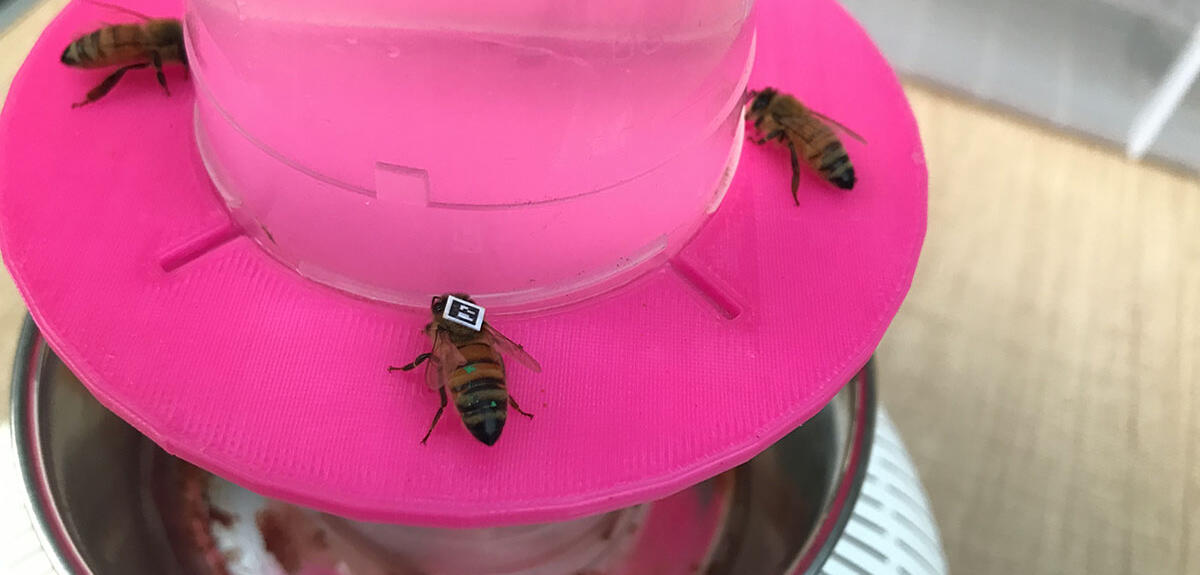
Fukushima Radioactivity Study Examines Cognitive Impact on Pollinating Insects
Scientists are conducting research in the Fukushima contaminated area to study how radioactivity affects the cognitive abilities of pollinat
 news.cnrs.fr·8mo ago
How Diet Affects Body Odor and Scent Attractiveness
This article explores how various foods and dietary factors like garlic, alcohol, meat, and fasting can influence human body odor and affect
 bbc.com·7mo ago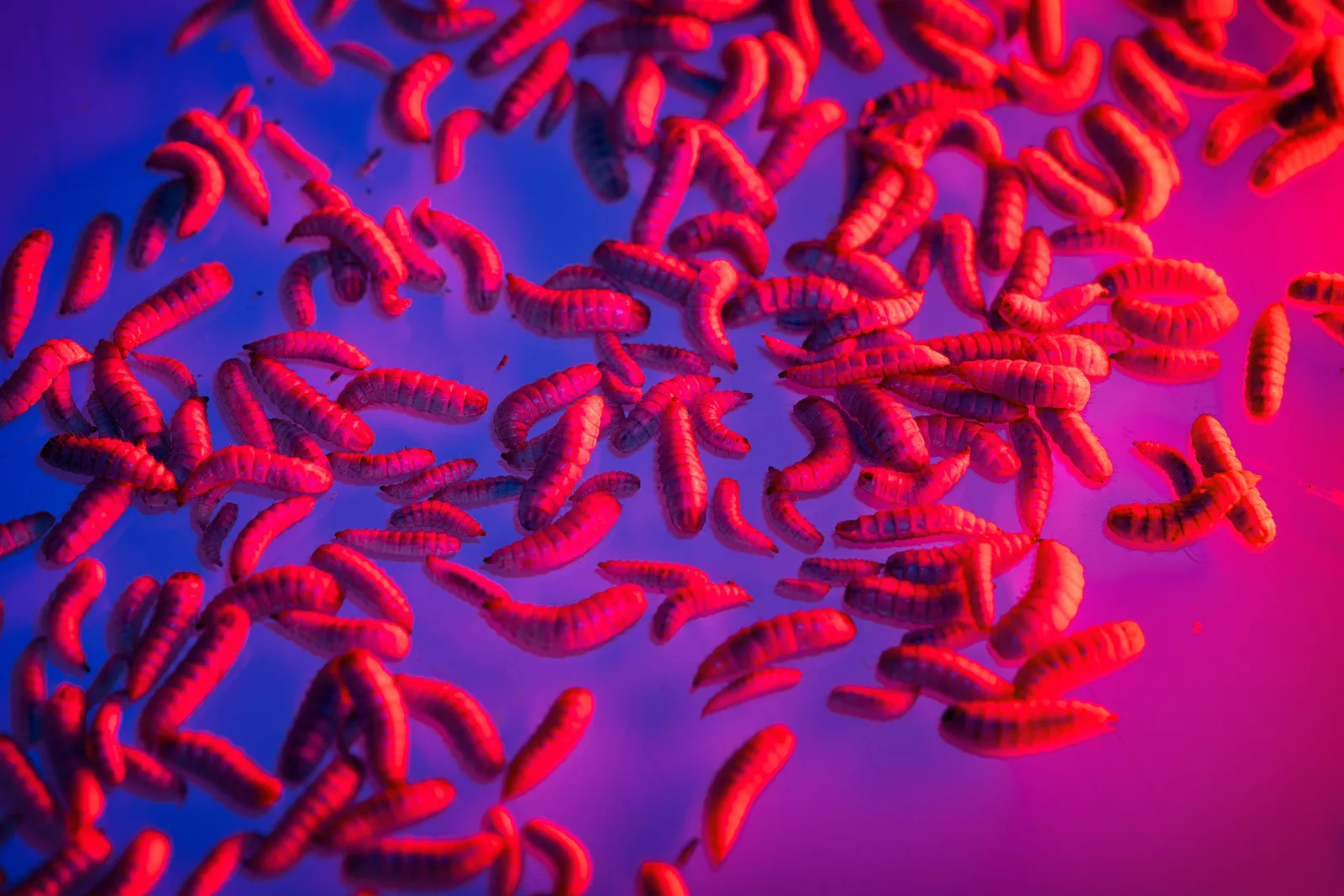
Black Soldier Fly Larvae: A Sustainable Protein Source with Potential for Human Consumption
The article explores black soldier fly larvae (maggots) as a highly efficient and sustainable protein source that could become a human super
 smithsonianmag.com·4mo ago