
























 Baker's Take
AI trained on routine ECGs spots cardiac arrest warning signs that doctors often miss, study finds

By
Mr Bagel
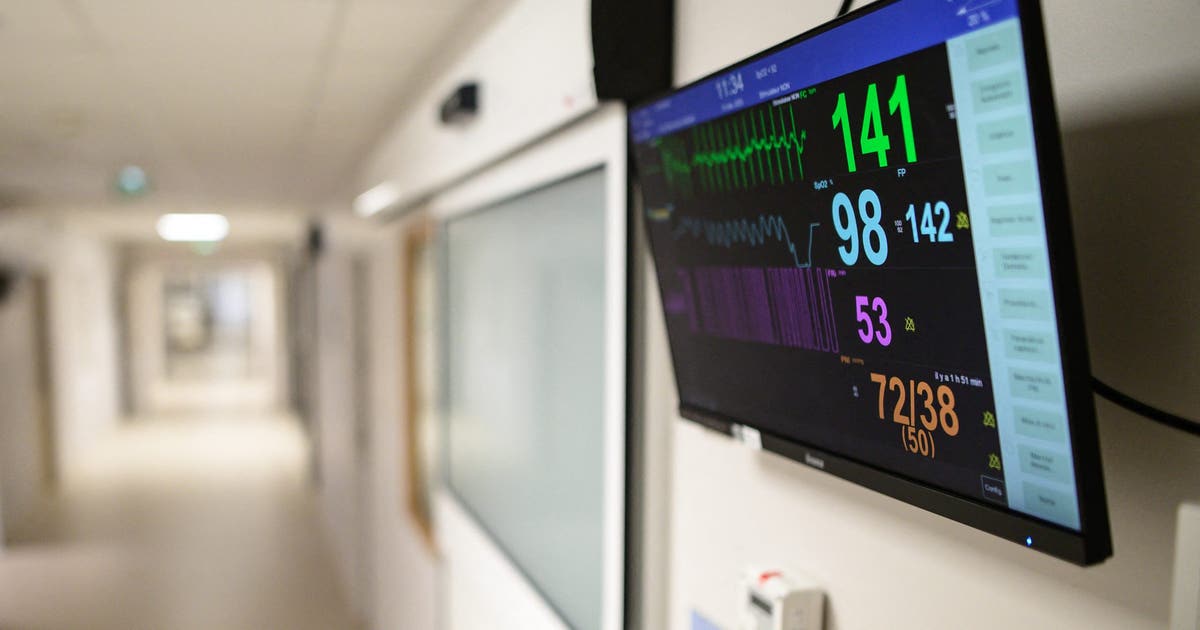
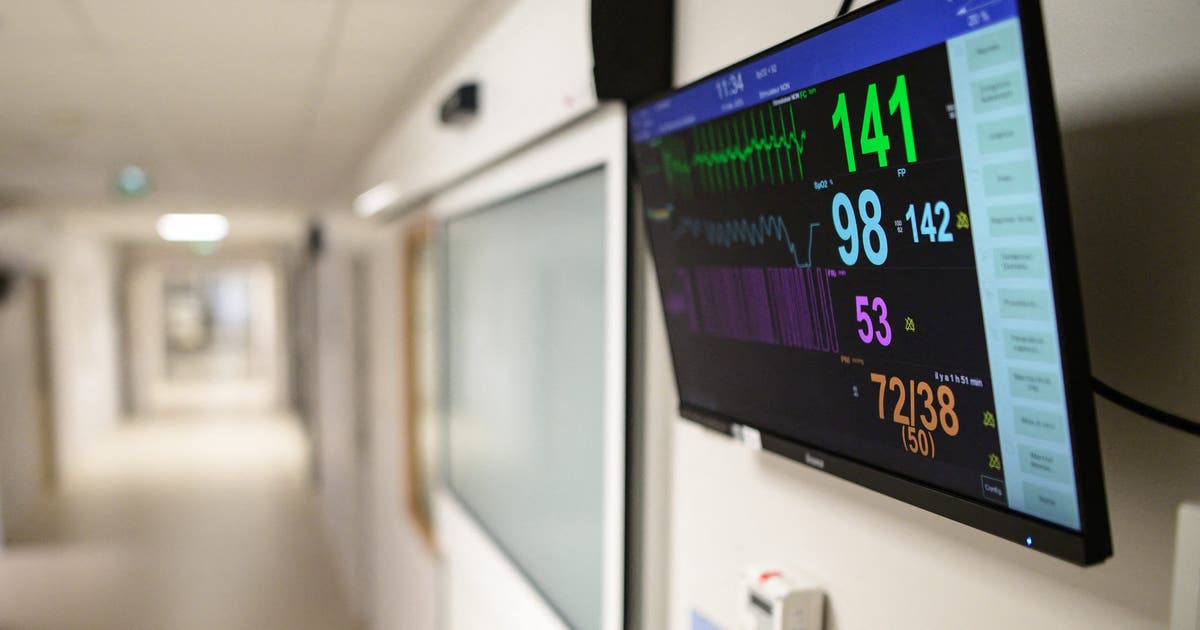
UC Berkeley researchers have developed an artificial intelligence model that can detect hidden patterns in routine electrocardiograms (ECGs) associated with sudden cardiac death risk, potentially flagging at-risk individuals before a cardiac arrest occurs. The study, published in Nature, addresses a critical gap in preventive care for a condition that kills hundreds of thousands of Americans each year.
"The model identifies warning signs that doctors have traditionally missed." The AI analyzes standard heart test data to pick up subtle signals invisible to the human eye. According to fox7austin.com, the tool could help identify at-risk individuals "including younger athletes and people without known heart problems." That is especially significant because sudden cardiac arrest often strikes without prior symptoms.

Sudden cardiac arrest kills hundreds of thousands of Americans annually, and survival rates are extremely low when it occurs outside a hospital, as fox7austin.com noted. Early detection is critical, and the new AI model offers a way to screen large populations using ECGs that are already routinely performed during checkups.
Both fox5dc.com and fox7austin.com reported that the research team trained the AI on a large dataset of routine ECGs, allowing it to learn patterns linked to future cardiac arrest. The approach does not require additional testing, just the data already collected in standard medical visits. The study's authors hope the model will eventually be deployed in clinical settings to flag patients who need further evaluation or preventive measures.
The reporting
2 outlets covered this story. Each links to the original.
Comments
Sign in to join the conversation.
No comments yet. Be the first.