
























Dutch modeling study finds plant-based protein swaps risk nutrient shortfalls in vulnerable age groups
By
Vijay Kumar Malesu
Summary
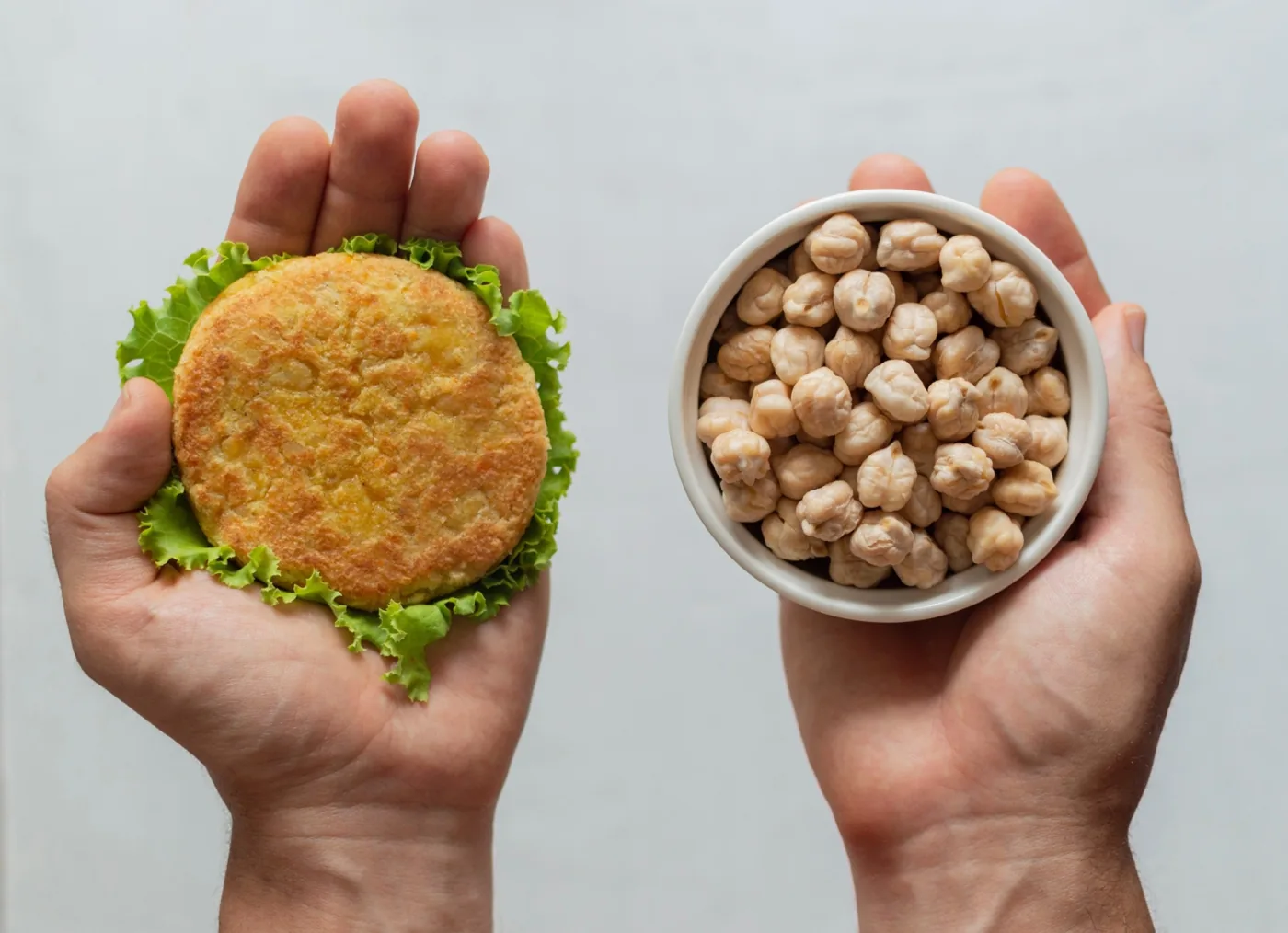
A Dutch dietary modeling study published in Nutrients evaluated how replacing animal-based protein sources (meat, fish, dairy) with plant-based alternatives affects nutritional adequacy across different age groups. The study found that such substitutions reduced intake of protein, essential amino acids, and several vitamins and minerals. Older adults, adolescents, children, and women were identified as especially vulnerable to nutritional shortfalls. The findings highlight the need for planned substitutions, fortified foods, and age-specific dietary guidance to ensure plant-based diets remain nutritionally complete.
Source
 Twitter / XDutch modeling study finds plant-based protein swaps risk nutrient shortfalls in vulnerable age groupsnews-medical.net
Key quotes
· 3 pulledAs consumers trade meat, fish, and dairy for plant-forward substitutes, new Dutch modeling shows why smart swaps, fortification, and tailored guidance may be essential to keep plant-based diets nutritionally complete.
Older adults, adolescents, children, and women were especially vulnerable to shortfalls, highlighting the need for planned substitutions, fortified foods, and age-specific dietary guidance.
Shifting to Plant-Based Protein Diets Alters Nutrient Adequacy Across Age Groups: A Dutch Dietary Modeling Study.
You might also wanna read


Reduced meat and dairy consumption improves health, environmental and most nutritional outcomes without increasing diet costs among Scottish adults - Nature Food

Low-protein diets extend lifespan in animals: What it means for human aging research
The article explores the counterintuitive scientific finding that low-protein diets (around 7% or less of calories from protein) extend life
 knowablemagazine.org·1mo ago
Leites vegetais versus leite de vaca: estudos confirmam qual bebida tem menos proteína e mais açúcar

Suplementos vs. alimentos reales: cuál conviene y de qué depende, según la evidencia

Impact of a whole food, plant-based diet on LDL-cholesterol and cardiovascular risk factors in adults with heterozygous familial hypercholesterolemia: a randomized, two-period, two-treatment, crossover, fully controlled feeding trial

Study finds 2025-2030 US Dietary Guidelines increase environmental footprint through higher animal protein recommendations
This study analyzes the environmental impact of the 2025–2030 Dietary Guidelines for Americans, which recommend avoiding ultraprocessed food
 pnas.org·20d ago
Comments
Sign in to join the conversation.
No comments yet. Be the first.