





















Low-protein diets extend lifespan in animals: What it means for human aging research
By
Amber Dance

Pure flour-power. Hearty enough to carry you through lunch.
Summary
The article explores the counterintuitive scientific finding that low-protein diets (around 7% or less of calories from protein) extend lifespan in various animal models, from yeast to insects to rodents. While protein is essential for bodily repair and current US dietary guidelines have actually increased recommended protein intake to 1.2-1.6g per kg body weight, researchers are investigating whether protein restriction could similarly slow aging in humans. The piece examines the biological mechanisms behind this paradox and what it might mean for human longevity.
Key quotes
· 3 pulledIn critters from single-celled yeast to insects to rodents, cutting protein intake to measly levels makes them live longer.
The body needs protein to build and repair its parts, and a diet with about 7 percent or less of its calories from protein...
Could it work for people?
You might also wanna read

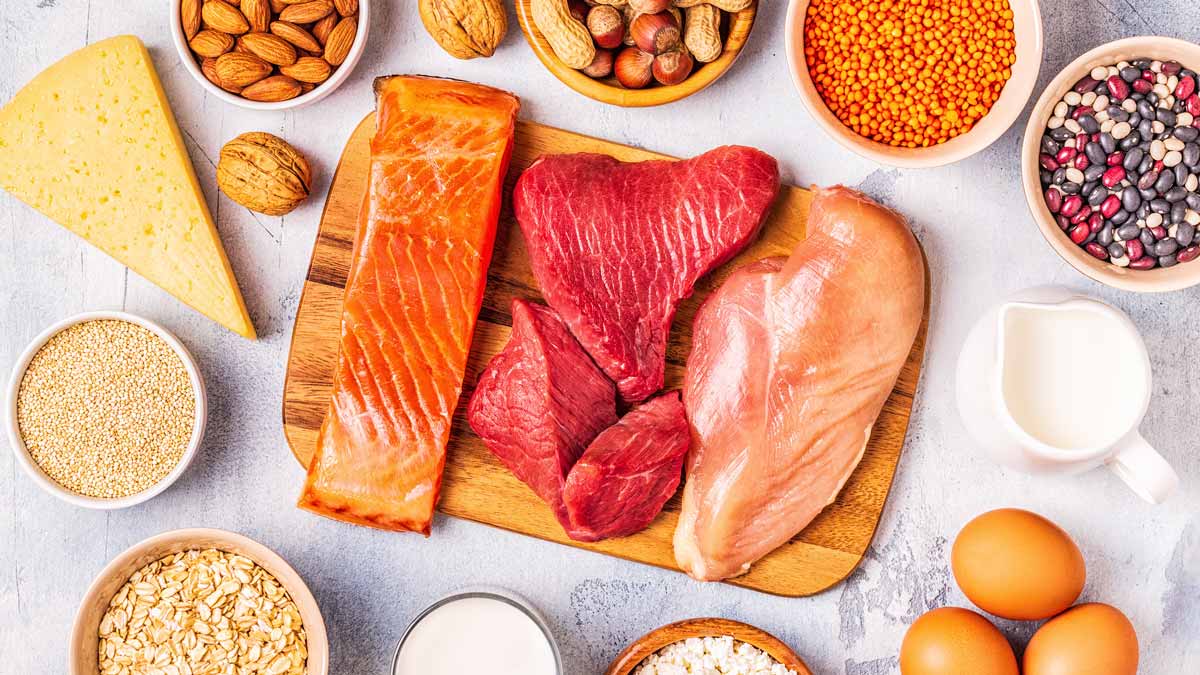
Protein Intake Confusion: Experts Clarify How Much You Really Need Daily
The article addresses the widespread confusion about daily protein requirements, noting that while over a third of Americans have increased
 consumerreports.org·4d ago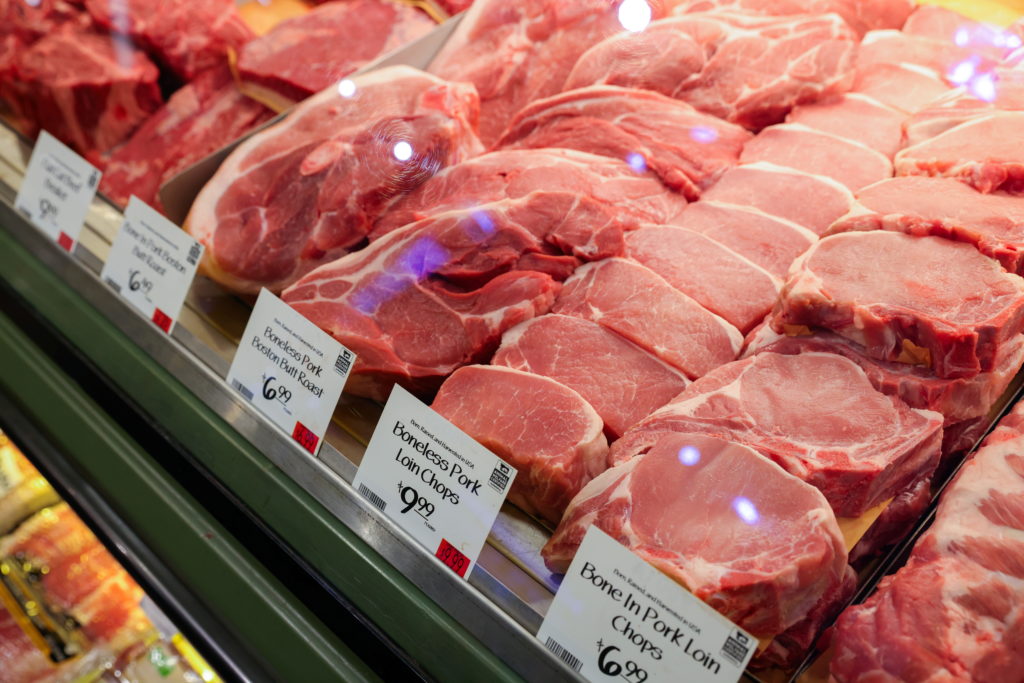
New federal dietary guidelines recommend doubling protein intake, sparking debate among nutrition experts
The latest U.S. federal dietary guidelines advise Americans to prioritize protein at every meal and double their daily intake, emphasizing r
 pbs.org·7d ago
Is Fiber the Real Secret to Longevity?
 ELLE·1mo ago
Experts Warn of Health Risks From Excessive Protein Consumption
The article discusses the growing trend of protein-infused foods and the updated Dietary Guidelines for Americans that emphasize protein con
 ow.ly·3d ago
When to rescue aging food and when to throw it out: A nutritionist's guide to reducing waste and saving money
A nutritionist explains how to safely rescue aging foods like brown bananas, wilted vegetables, and stale bread to reduce food waste and sav
 the-14.com·5d ago