
























Scientists develop mathematical tool to measure solar wind using spacecraft radio signals
By
Research Matters Staff Writer(s)
Summary
An international team of scientists has developed a novel mathematical framework that uses routine radio signals from spacecraft passing behind the Sun to measure the speed and density of the solar wind. The universal formula works across different radio frequencies, providing a consistent method to study the Sun's atmosphere. This breakthrough enables better space weather predictions by leveraging existing spacecraft communications rather than requiring dedicated missions.
Source

 bskyScientists develop mathematical tool to measure solar wind using spacecraft radio signalsresearchmatters.in
Key quotes
· 3 pulledAn international team of scientists has developed a novel method to measure the speed and density of the solar wind using routine radio signals from spacecraft passing behind the Sun.
By creating a universal mathematical formula that works across different radio frequencies, the researchers have unlocked a consistent way to study the Sun's atmosphere.
The newly developed mathematical framework allows scientists to use any spacecraft's radio signal to consistently measure the speed and density of the solar wind, paving the way for better space weather predictions.
You might also wanna read


Space Weather Monitoring Report: Solar Wind Speed at 374 km/sec with Low Proton Density
The article appears to be a space weather monitoring report from Spaceweather.com, providing real-time solar activity data including solar w
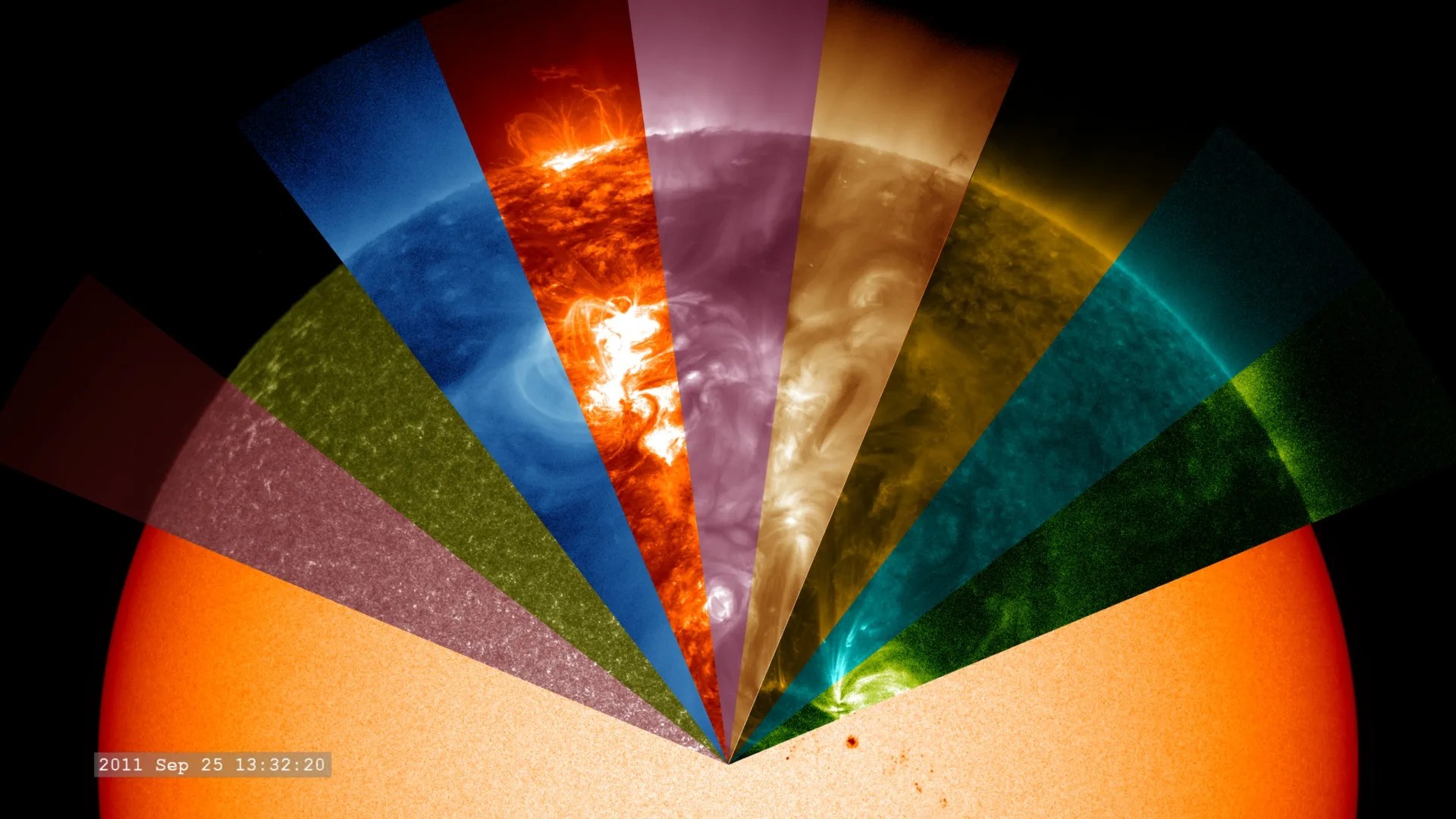
NASA Heliophysics Division: Studying the Sun's Influence on the Solar System
The NASA Heliophysics Division, part of the Science Mission Directorate, studies the Sun and its influence on space, planets, and technology
 science.nasa.gov·5d ago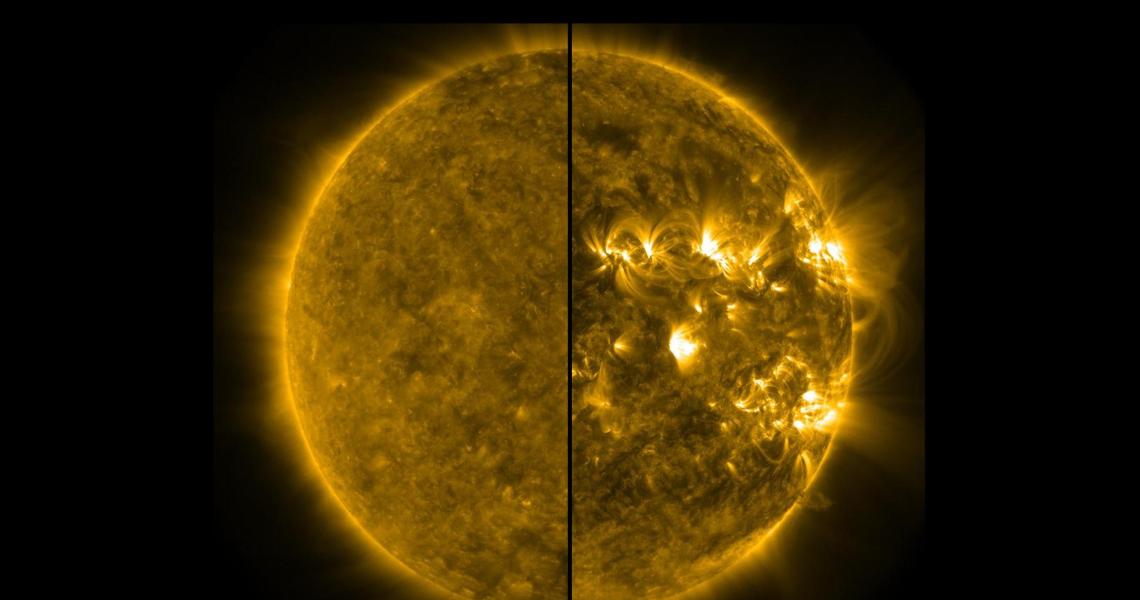
NJIT Physicists Pinpoint Sun's Magnetic Dynamo 200,000 km Below Surface Using 30 Years of Acoustic Data
NJIT physicists analyzed nearly three decades of solar acoustic data (helioseismic observations) and found evidence that the Sun's magnetic
 news.njit.edu·3mo ago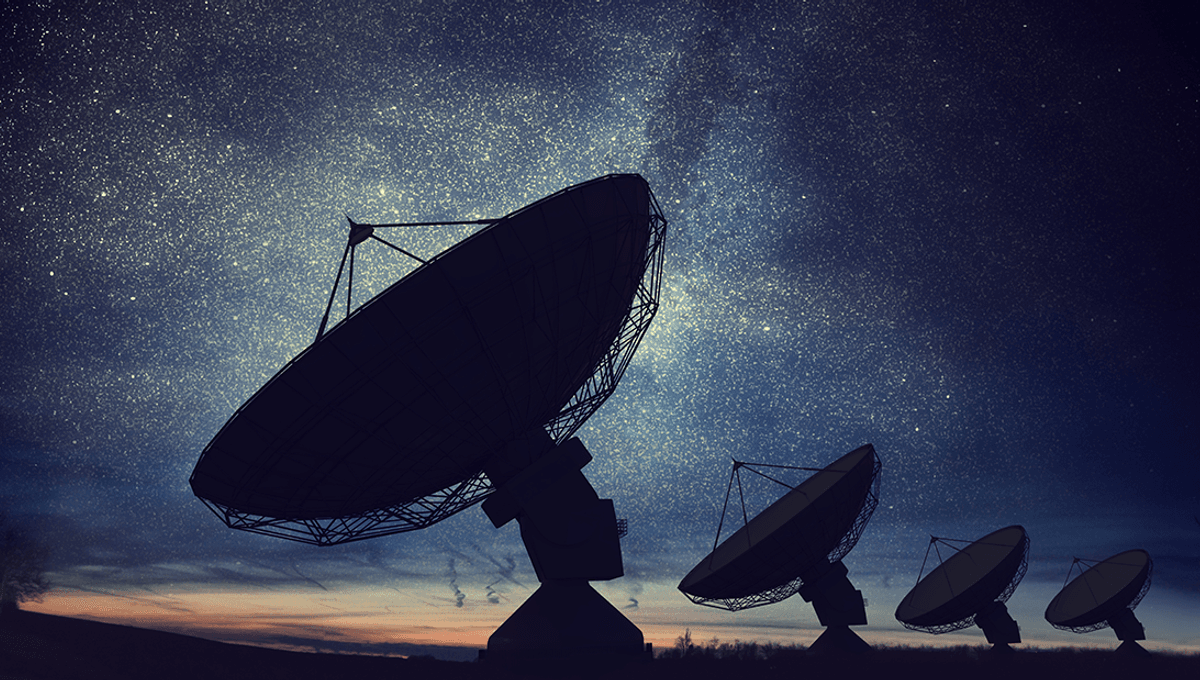
New Analysis Confirms "Wow!" Signal Was Likely Extraterrestrial and More Powerful Than Estimated
A new analysis of the famous "Wow!" signal from 1977 reveals that the mysterious radio signal detected by the Big Ear radio telescope was li
 iflscience.com·10mo ago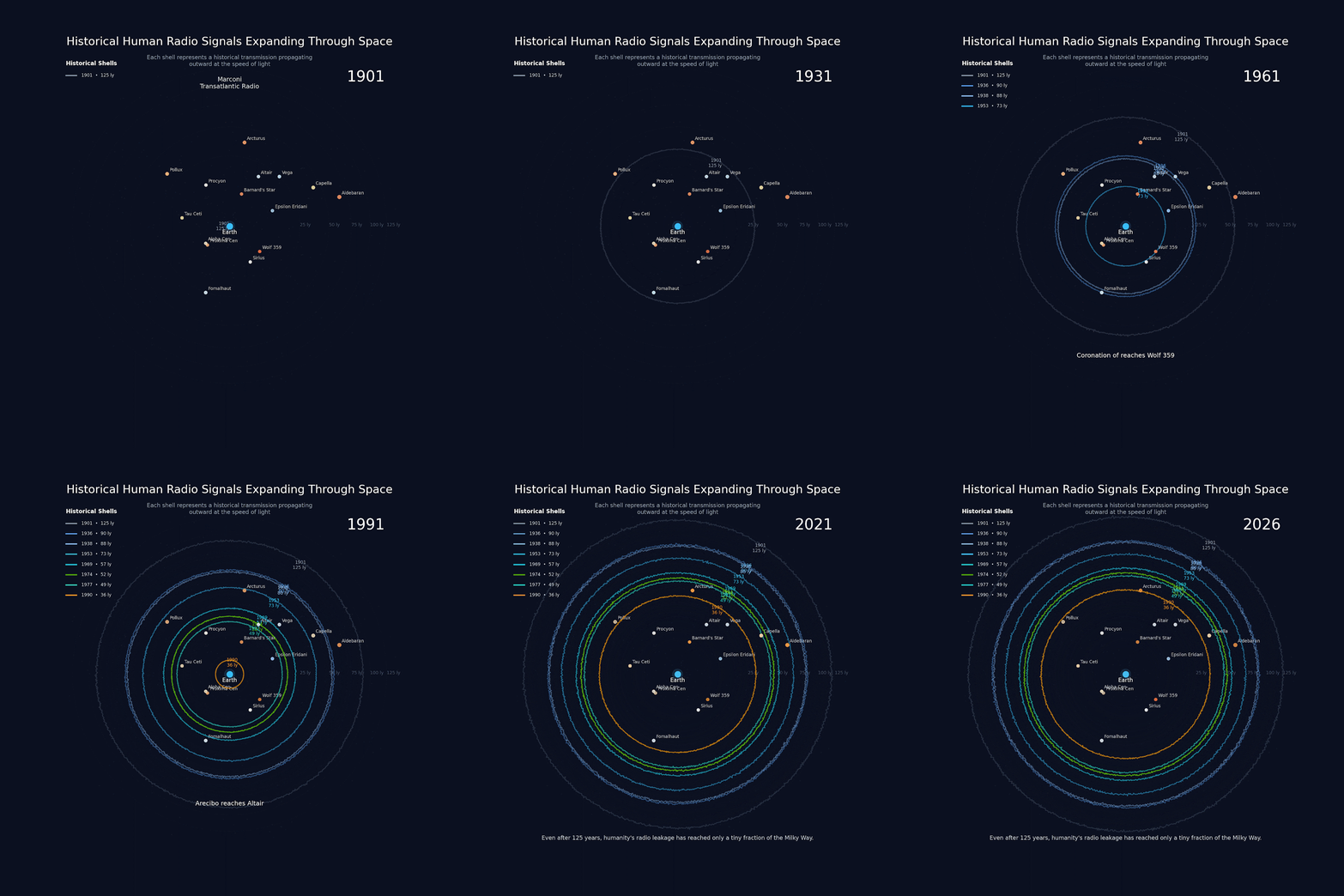
Earth's Expanding Radio Bubble: How Humanity's Signals Are Reaching the Cosmos
This article explores the concept of Earth's "radio bubble" — a sphere of electromagnetic radiation expanding outward at the speed of light
 thescientificdrop.com·1mo ago
Antarctica's Cosmic Particle Detector Detects Strange Radio Pulses
A cosmic particle detector in Antarctica has detected strange radio pulses at steep angles below the ice surface, challenging current partic
psu.edu·1y agoComments
Sign in to join the conversation.
No comments yet. Be the first.