
























Space Weather Monitoring Report: Solar Wind Speed at 374 km/sec with Low Proton Density
Article URL: Comments URL: Points: 4 # Comments: 0
Read the full articleYou might also wanna read


Scientists develop mathematical tool to measure solar wind using spacecraft radio signals
A newly developed mathematical framework allows scientists to use any spacecraft's radio signal to consistently measure the speed and densit
 researchmatters.in·22d ago
Auroral activity
The latest solar wind and interplanetary magnetic field data covering the past two hours as measured by the SOLAR-1 spacecraft. These parame
 spaceweather.live·21d ago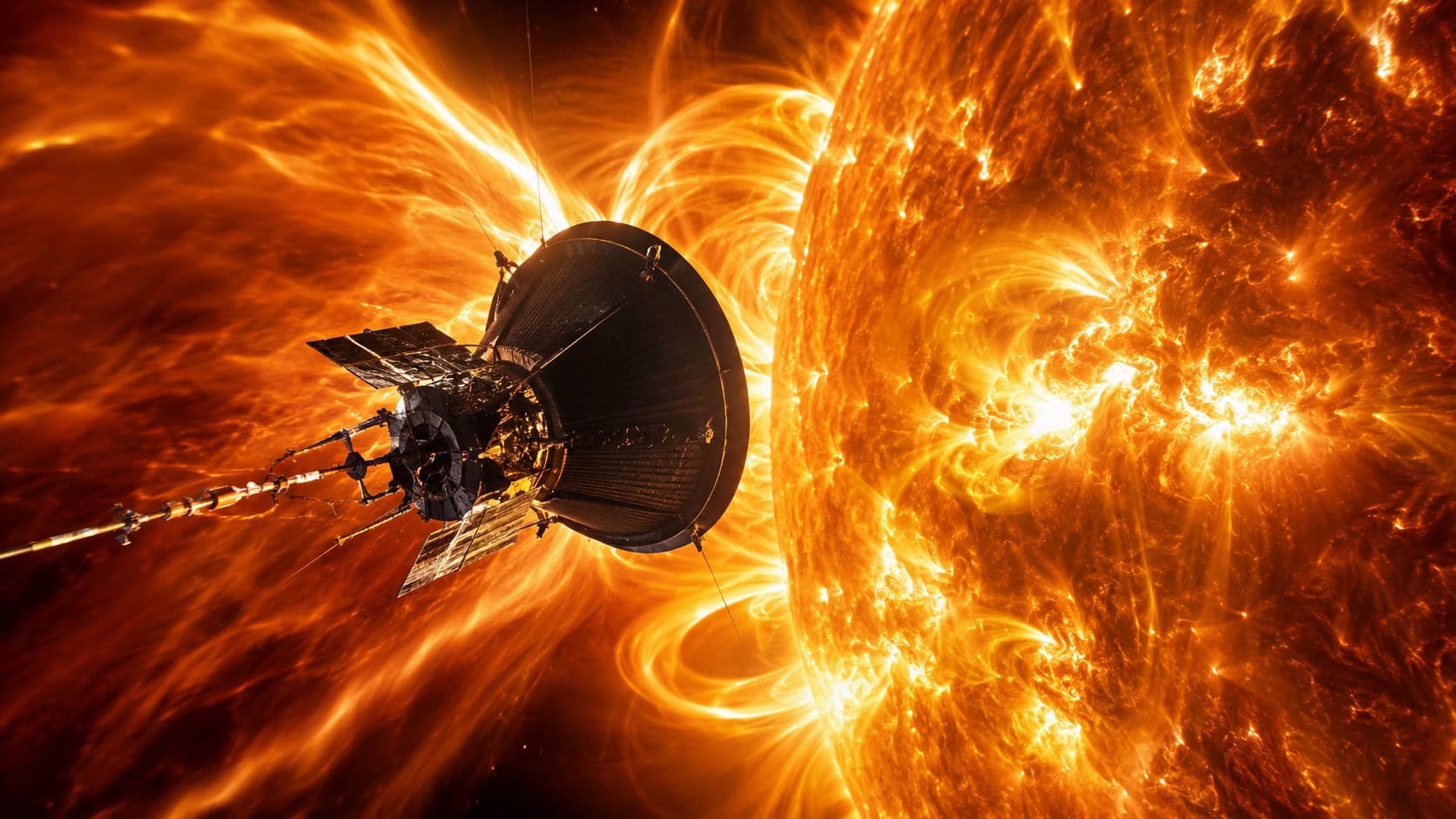
NASA's Parker Solar Probe survives historic plunge through Sun's corona at record 430,000 mph
The fastest object humanity has ever built, moving at 430,000 miles per hour. A region of space millions of degrees hot. A 4.5-inch slab of
 19fortyfive.com·23d ago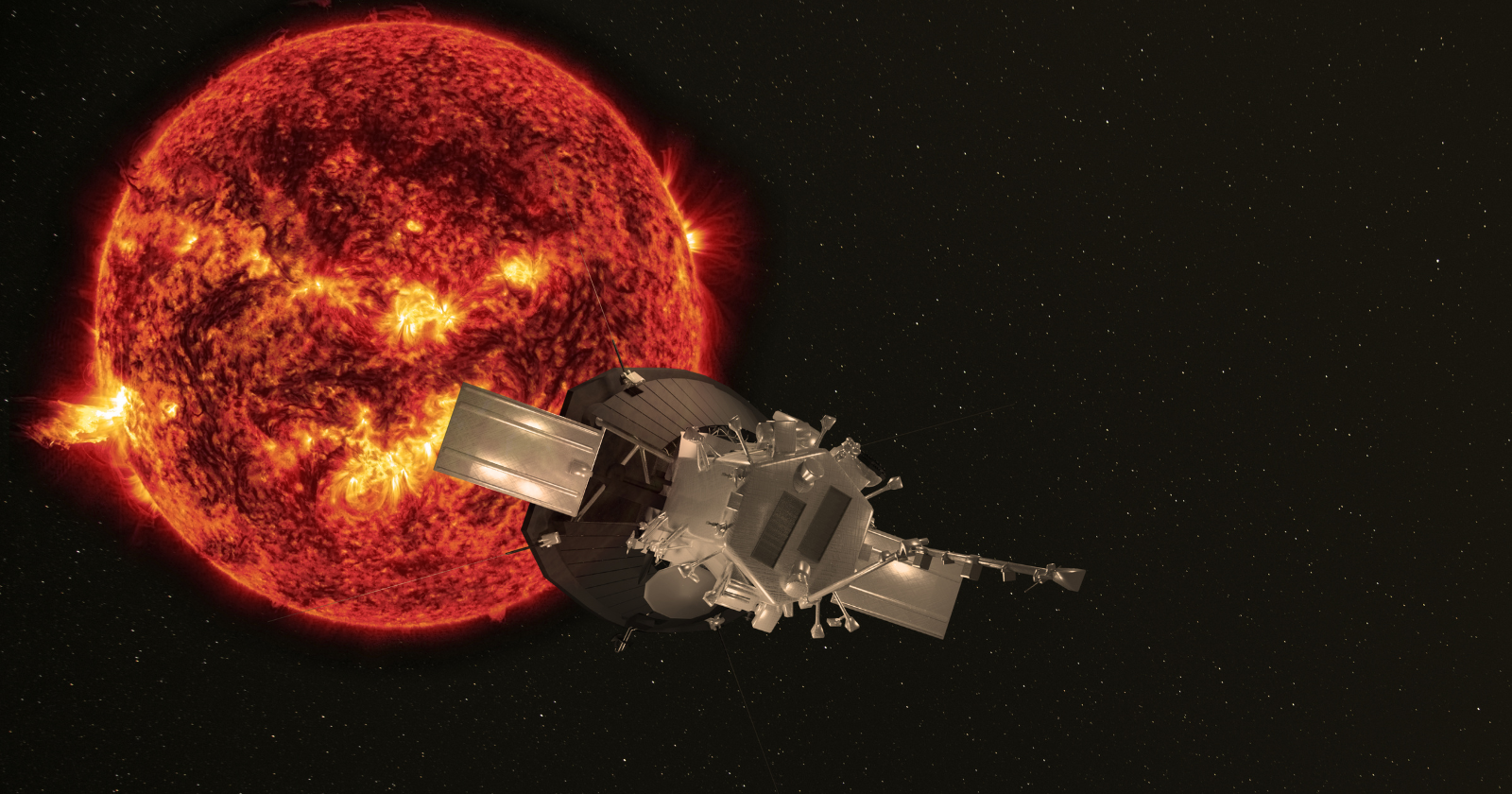
Parker Solar Probe discovers unexpected high-energy particle source in the solar corona, challenging existing models
When NASA’s Parker Solar Probe passed through the solar corona during perihelion encounters at the heliospheric current sheet, its instrumen
 spacedaily.com·26d ago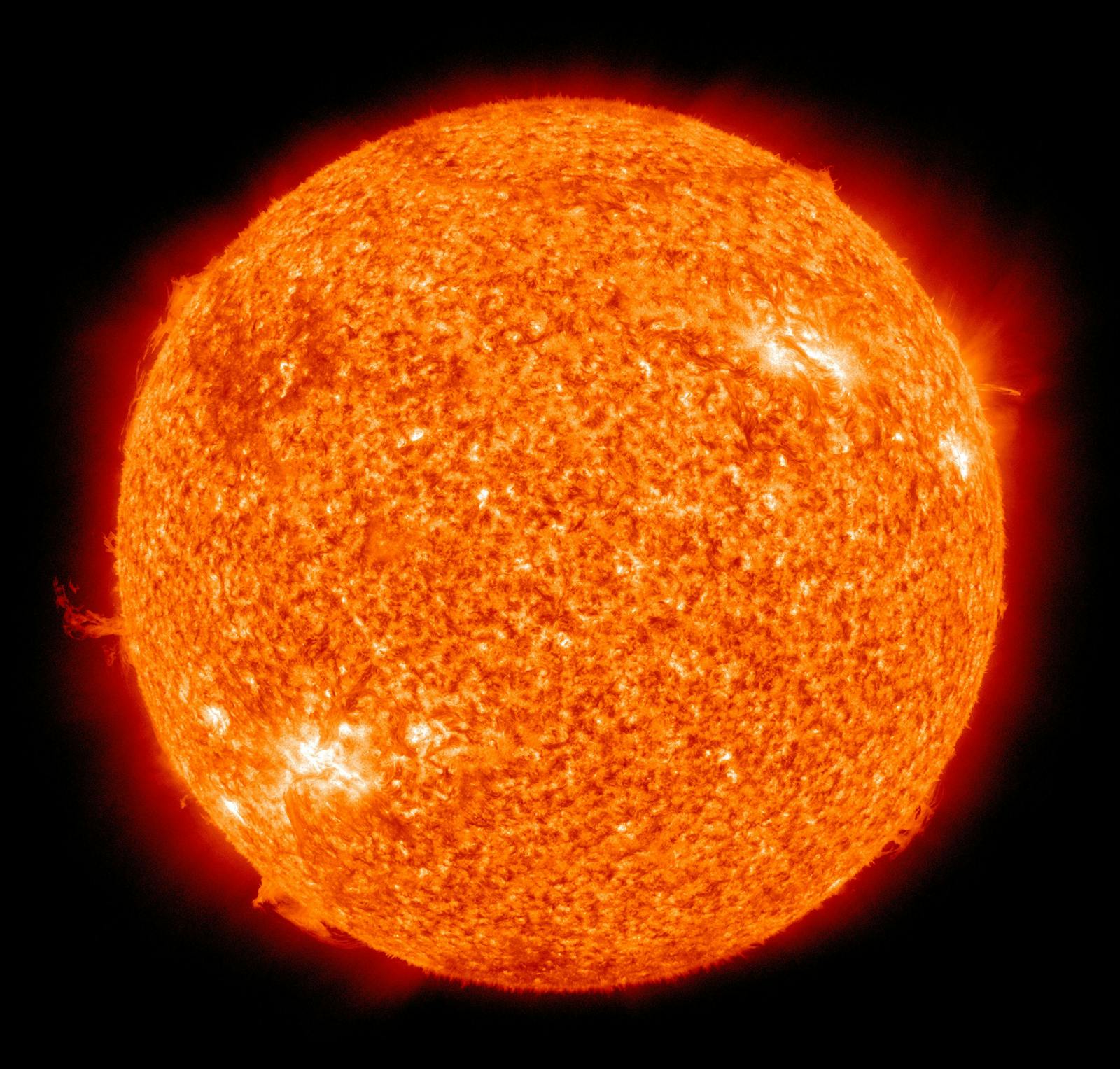
Parker Solar Probe flies through Sun's corona at 430,000 mph with revolutionary heat shield technology
NASA's Parker Solar Probe is the fastest human-made object ever, sweeping the Sun's corona at 430,000 mph while a 4.5-inch carbon foam shiel
spacedaily.com·1mo agoEnergetic Protons in the Inner Heliosphere Exhibit Consistent ∼1 MeV Temperatures
H. A. Farooki et al 2025 ApJL 991 L28 An analysis of the solar energetic particle proton population suggests that the temperature of this po
Comments
Sign in to join the conversation.
No comments yet. Be the first.