
























Caltech researchers develop ultrasound-based brain-machine interface to decode intended movements
By
mgh2
Summary
Caltech researchers have developed a brain-machine interface (BMI) that uses functional ultrasound (fUS) imaging to decode brain activity and predict intended movements. Unlike traditional BMIs that require invasive electrode implants, this ultrasound-based approach is less invasive while still achieving high accuracy. The system monitors blood flow changes in the brain to infer neural activity, allowing it to predict movements before they occur. This breakthrough could lead to more practical and safer brain-computer interfaces for paralyzed patients and other applications.
Source
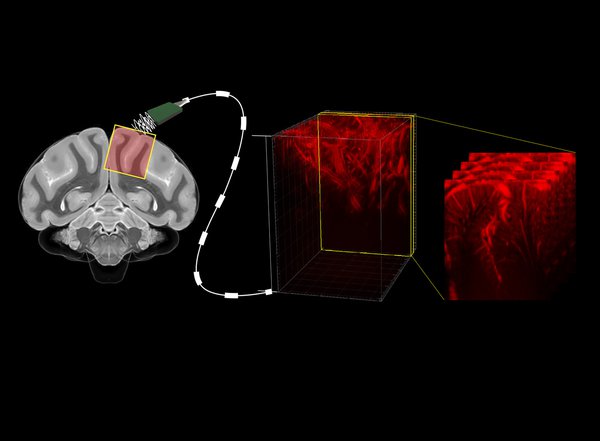
 Hacker NewsCaltech researchers develop ultrasound-based brain-machine interface to decode intended movementscaltech.edu
Key quotes
· 2 pulledMapping neural activity to corresponding behaviors is a major goal for neuroscientists developing brain–machine interfaces (BMIs): devices that read and interpret brain activity and transmit instructions to a computer or machine.
Though this may seem like science fiction, existing BMIs can, for example, connect a paralyzed person with a robotic arm; the device interprets the per
You might also wanna read

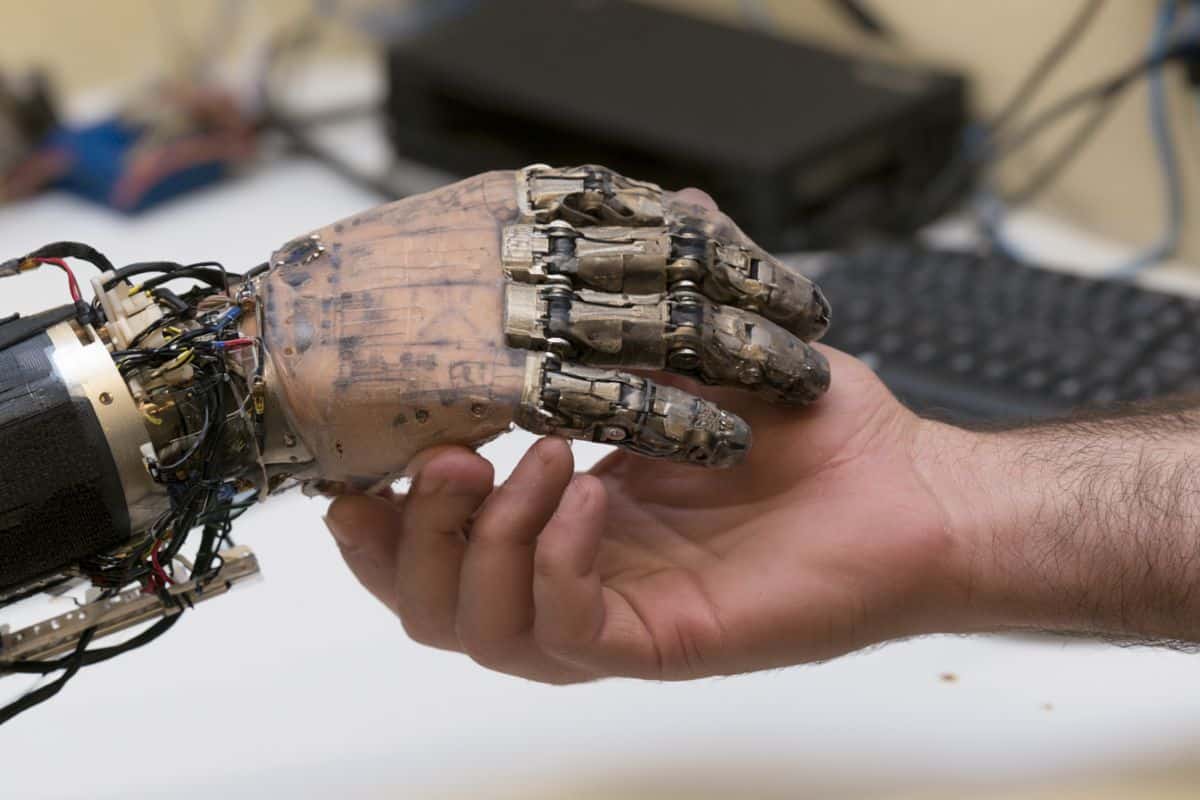
Dual brain-machine interfaces restore natural movement sense for prosthetic limb users
Researchers have developed dual brain-machine interfaces that restore kinesthesia—the sense of muscle movement and joint position—for prosth
 neurosciencenews.com·6d ago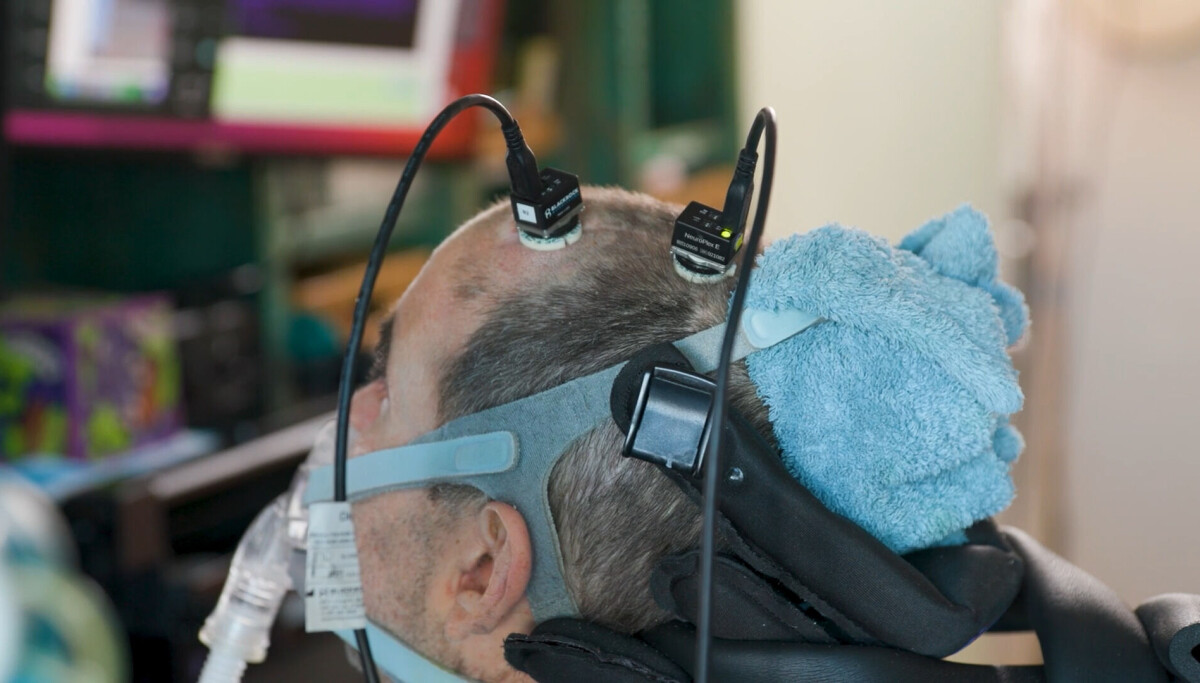
AI-powered brain-computer interface enables ALS patient to communicate and work with 92% accuracy
A UC Davis research team has developed a machine learning-powered brain-computer interface (BCI) that enables an ALS patient who cannot spea
 buff.ly·17d ago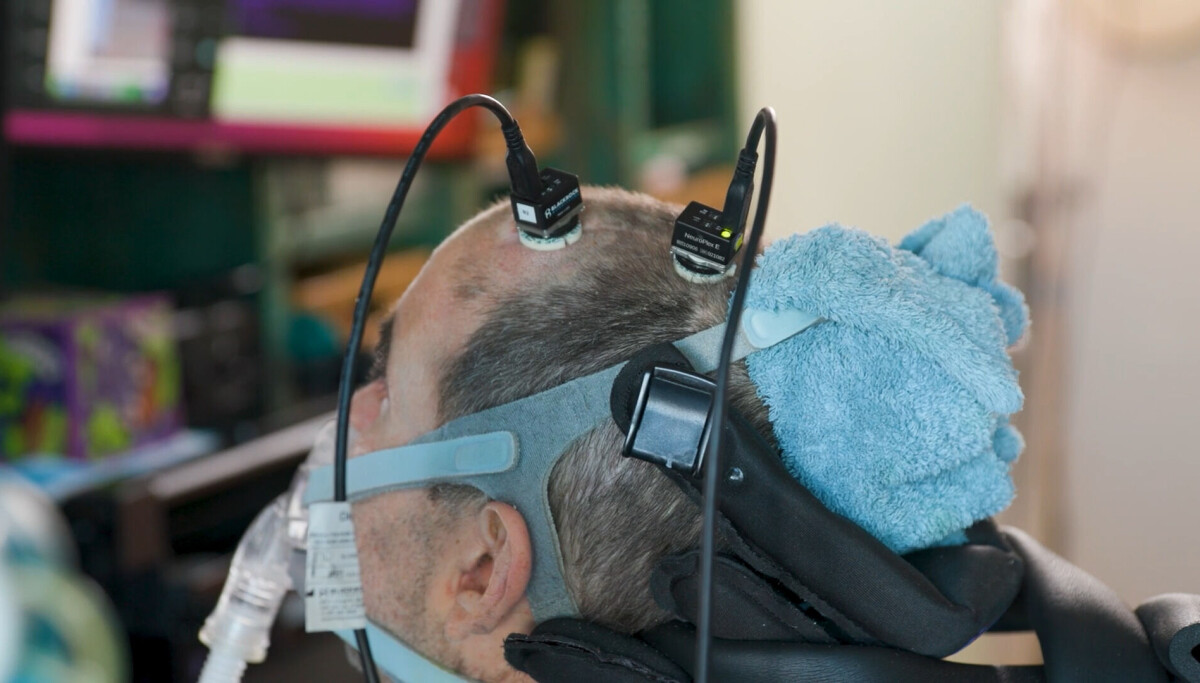
AI-powered brain-computer interface enables ALS patient to communicate and work with 92% accuracy
A UC Davis research team has developed a machine learning-powered brain-computer interface (BCI) that enables an ALS patient who cannot spea
 theregister.com·17d ago
AI-powered brain-computer interface enables ALS patient to communicate and work with 92% accuracy
A UC Davis research team has developed a machine learning-powered brain-computer interface (BCI) that enables an ALS patient who cannot spea
theregister.com·17d ago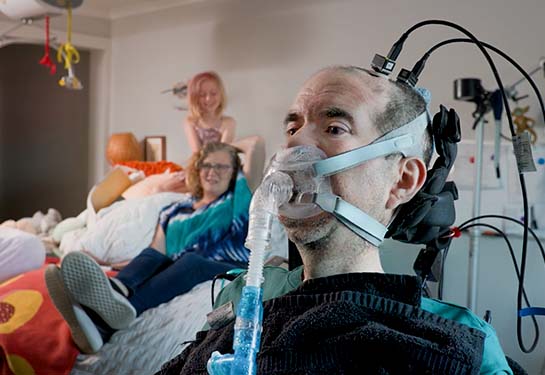
Brain-computer interface enables independent communication for man with ALS, study finds
A new study published in Nature Medicine demonstrates that a person with severe paralysis caused by ALS can use a brain-computer interface (
 health.ucdavis.edu·18d ago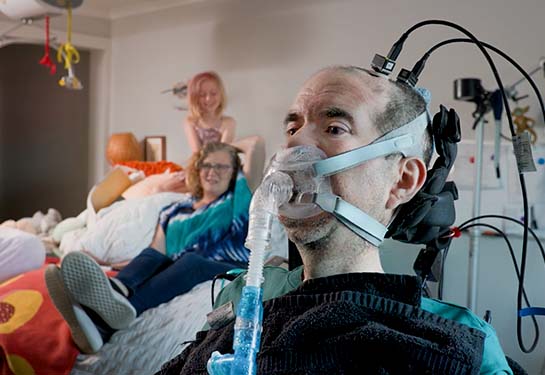
Brain-computer interface enables independent communication for man with ALS, study finds
A new study published in Nature Medicine demonstrates that a person with severe paralysis caused by ALS can use a brain-computer interface (
health.ucdavis.edu·18d ago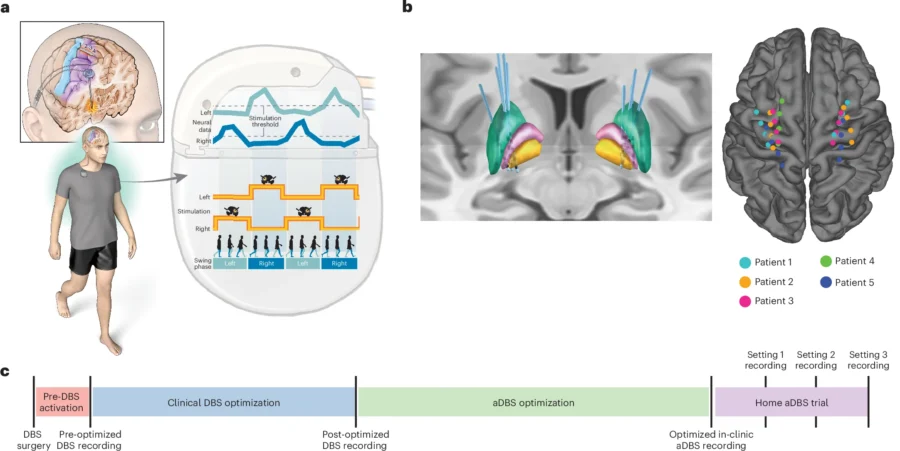
UC San Francisco develops brain implant that detects footsteps and reduces falls in Parkinson's patients
A team at UC San Francisco has developed a brain implant that reads neural signals associated with walking and adjusts deep brain stimulatio
 scienceblog.com·19d ago
Comments
Sign in to join the conversation.
No comments yet. Be the first.