
























Pyranometer: Working Principle, Types, Calibration & Applications in Solar Energy
Unknown ([email protected])8mo ago
From the article
Pyranometer Explained: How It Works, Components, and Use in Solar Energy A pyranometer is one of the most essential instruments used in the solar energy industry. It measures solar irradiance — the power of sunlight received per unit area on the Earth’s surface. Accurate solar radiation data helps in solar power plant performance analysis, photovoltaic (PV) efficiency evaluation, meteorological research, and climate modeling. In this article, we’ll understand what a pyranometer is, how it works, its types, structure, calibration methods, and applications in detail. 🔍 What is a Pyranometer? A pyranometer is a radiometric instrument designed to measure global solar radiation (direct + diffuse sunlight) on a flat surface in watts per square meter (W/m²). It provides a quantitative measure of how much solar energy is available at a specific location, which is crucial for: Designing solar photovoltaic (PV) and thermal systems. Analyzing the performance ratio (PR) of solar plants. Meteorological and agricultural applications. In simple terms, it tells us how much sunlight energy is hitting a particular spot on Earth. ⚙️ Working Principle of Pyranometer A pyranometer works based on the thermopile principle — converting solar radiation into heat energy , which is then transformed into an electrical voltage signal . Step-by-Step Working: Incident Solar Radiation : Sunlight (direct + diffuse) falls on the blackened thermopile sensor surface. Absorption of Radiation : The black surface absorbs the radiation and heats up proportionally to the solar irradiance. Temperature Difference : The thermopile generates a voltage due to the temperature difference between the black absorbing surface and the body of the instrument (cold junction). Voltage Output : The voltage is directly proportional to the amount of solar radiation received. Conversion to Irradiance : The output (in microvolts) is converted into irradiance (W/m²) using a calibration factor. 🧩 Construction of a Pyranometer A high-quality pyranometer is a precisely engineered device that includes the following parts: Dome – Usually made of optical-grade glass or quartz; it protects the sensor and transmits sunlight uniformly. Black Coated Sensor (Thermopile) – Converts light into heat and then into an electrical signal. Body / Housing – Made from anodised aluminium to ensure thermal stability and protection from environmental conditions. Desiccant Chamber – Prevents condensation inside the dome. Cable / Connector – For electrical signal output to the data logger. Level Indicator & Mounting Base – Ensures proper horizontal alignment for accurate readings. 🌤️ Types of Pyranometers Pyranometers are classified mainly based on measurement method and accuracy standards : 1. Thermopile Pyranometer Measures both direct and diffuse solar radiation. Uses a thermopile sensor with a black coating. Commonly used in solar power plants, weather stations, and research applications. High accuracy; requires regular calibration. 2. Photodiode Pyranometer Uses a silicon photodiode to measure solar radiation. Suitable for cost-effective and quick-response applications. Less accurate than thermopile type; used in small PV systems or monitoring setups. 3. Photovoltaic Pyranometer Works based on PV cell response to sunlight. Provides faster response time but limited spectral sensitivity. Often used for comparative PV system performance analysis. 🧪 Calibration of Pyranometer Calibration ensures that pyranometer readings remain accurate over time. Calibration Methods: 1. Outdoor Calibration (Side-by-Side Comparison) Compare the test pyranometer with a reference standard under natural sunlight. Used for field instruments. 2. Indoor Calibration (Using a Solar Simulator) Conducted in a controlled environment using a known light source. Ensures traceability to World Radiometric Reference (WRR) standards. Recommended Calibration Interval: Every 2 years , as per ISO 9847 and IEC 61724-1 standards. 📊 Standards for Pyranometers International standards define the performance and classification of pyranometers: 🧭 Installation and Mounting Guidelines Proper installation is critical for reliable data collection. Key Installation Practices: Mount the pyranometer horizontally on a stable, vibration-free surface. Keep it levelled using the built-in spirit level. Ensure the sensor is free from shade, reflection, and obstruction . Clean the dome regularly to avoid dust or bird droppings affecting accuracy. Use proper ventilation and heating units in humid or snowy conditions. ⚡ Applications of Pyranometer Pyranometers are used across a wide range of industries and research fields: ☀️ Solar Energy Sector Performance monitoring of PV power plants. Calculation of Performance Ratio (PR). Site assessment and feasibility studies for solar projects. 🌦️ Meteorology Measurement of global and diffuse solar radiation. Weather forecasting and climate research. 🌱 Agriculture Monitoring solar radiation for crop growth analysis. 🧱 Building & Architecture Evaluating solar heat gain for green building designs and daylighting studies. 📈 Difference Between Pyranometer and Irradiance Meter Although both measure solar radiation, they differ in technology and precision. 🧠 Conclusion A pyranometer is a key instrument for anyone working in solar energy or meteorology. Its ability to accurately measure solar irradiance helps optimize solar plant performance, improve energy yield predictions, and support climate and weather studies. Choosing the right type of pyranometer — thermopile or photodiode — depends on the required accuracy, application, and budget. Regular calibration and maintenance ensure long-term reliability of solar radiation data. As solar power continues to grow globally, pyranometers will remain the backbone of solar resource assessment and performance monitoring. 👋 Thank You for Reading! We appreciate your time and interest in renewable energy, EVs, and cutting-edge tech. Your curiosity helps drive a sustainable future forward. 📱 Follow Us on Social Media: 🌐 Visit our website
Continue reading on omkarmhatre.inYou might also wanna read


Understanding Earth's Sunlight Budget and Its Biotechnological Applications
The article explores the concept of Earth's sunlight budget, highlighting its significance as a vast and largely untapped energy source. It
 asimov.press·11mo ago
Analysing agrivoltaic systems with pvlib python
nature.com·1mo ago

Scientists develop mathematical tool to measure solar wind using spacecraft radio signals
An international team of scientists has developed a novel mathematical framework that uses routine radio signals from spacecraft passing beh
 researchmatters.in·14d ago
New solid-state material converts sunlight into higher-energy UV light
ScienceDaily·12d ago
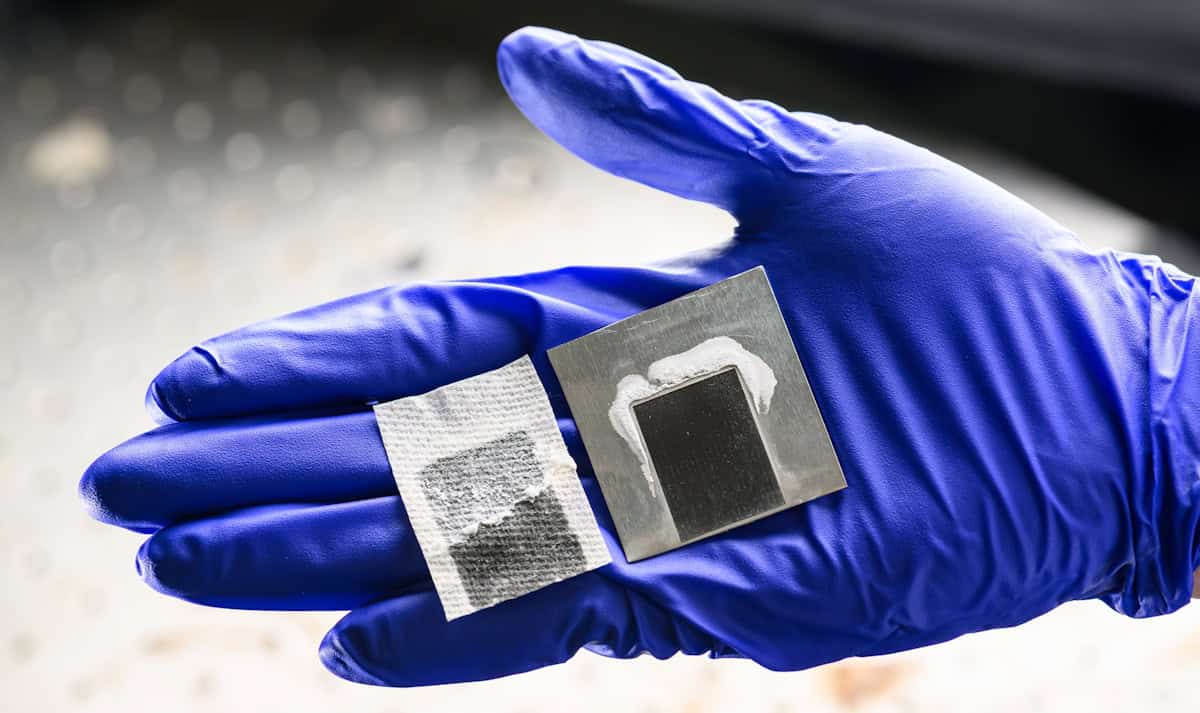
University of Rochester develops solar-thermal desalination system with near-perfect efficiency and self-cleaning capability
Researchers at the University of Rochester have developed a solar-powered desalination device that operates at near 100% efficiency. The sys
physicsworld.com·29d ago
University of Rochester develops solar-thermal desalination system with near-perfect efficiency and self-cleaning capability
Researchers at the University of Rochester have developed a solar-powered desalination device that operates at near 100% efficiency. The sys
physicsworld.com·29d ago
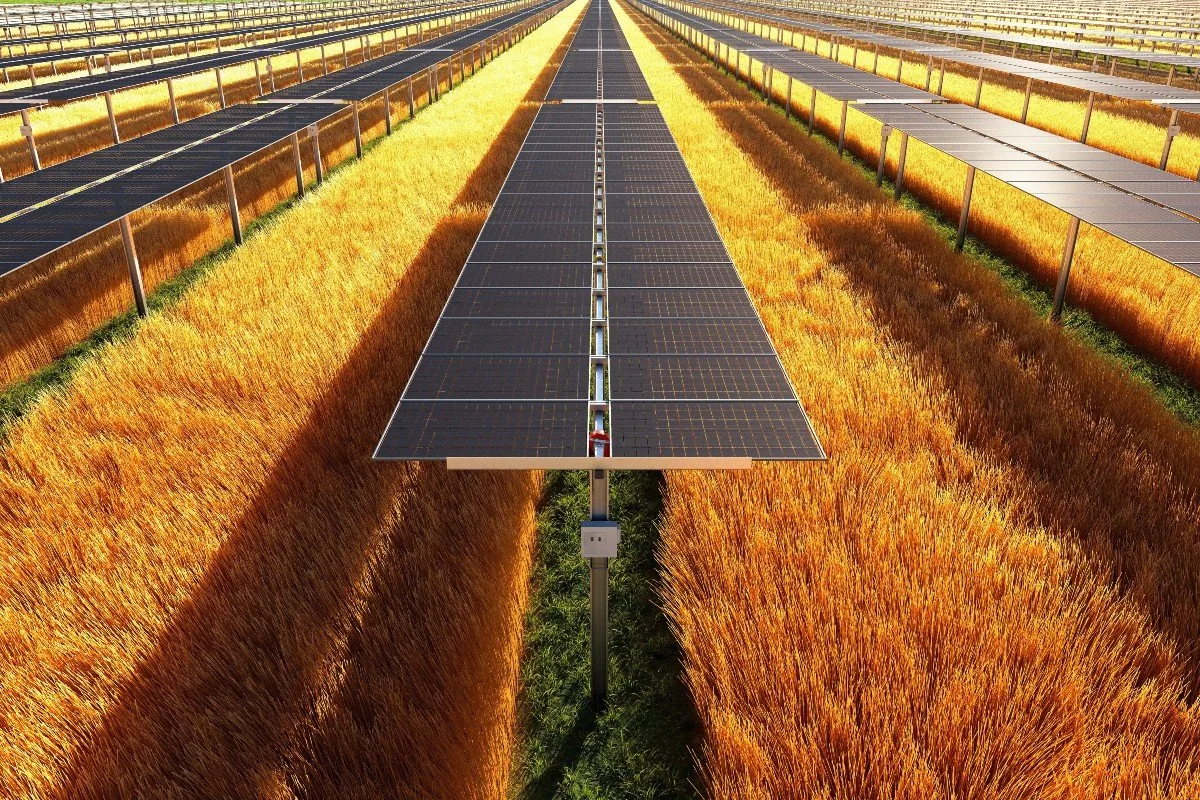
How agrivoltaic systems could help UK farmers adapt to heatwaves while boosting solar energy
The article explores how agrivoltaic systems — combining solar panel installation with crop farming — could help East Anglian farmers cope w
 eastangliabylines.co.uk·1d ago
Comments
Sign in to join the conversation.
No comments yet. Be the first.