
























How agrivoltaic systems could help UK farmers adapt to heatwaves while boosting solar energy
By
East Anglia Bylines
Summary
The article explores how agrivoltaic systems — combining solar panel installation with crop farming — could help East Anglian farmers cope with heatwaves intensified by climate change. As summers in the region become more Mediterranean-like, crop yields and livestock growth are suffering. While there is resistance to placing solar panels on farmland, Mediterranean farmers have demonstrated that cleverly designed solar arrays can provide shade for crops, reduce water evaporation, and generate clean energy simultaneously. The piece argues this dual-use approach could improve both agricultural resilience and energy independence.
Source
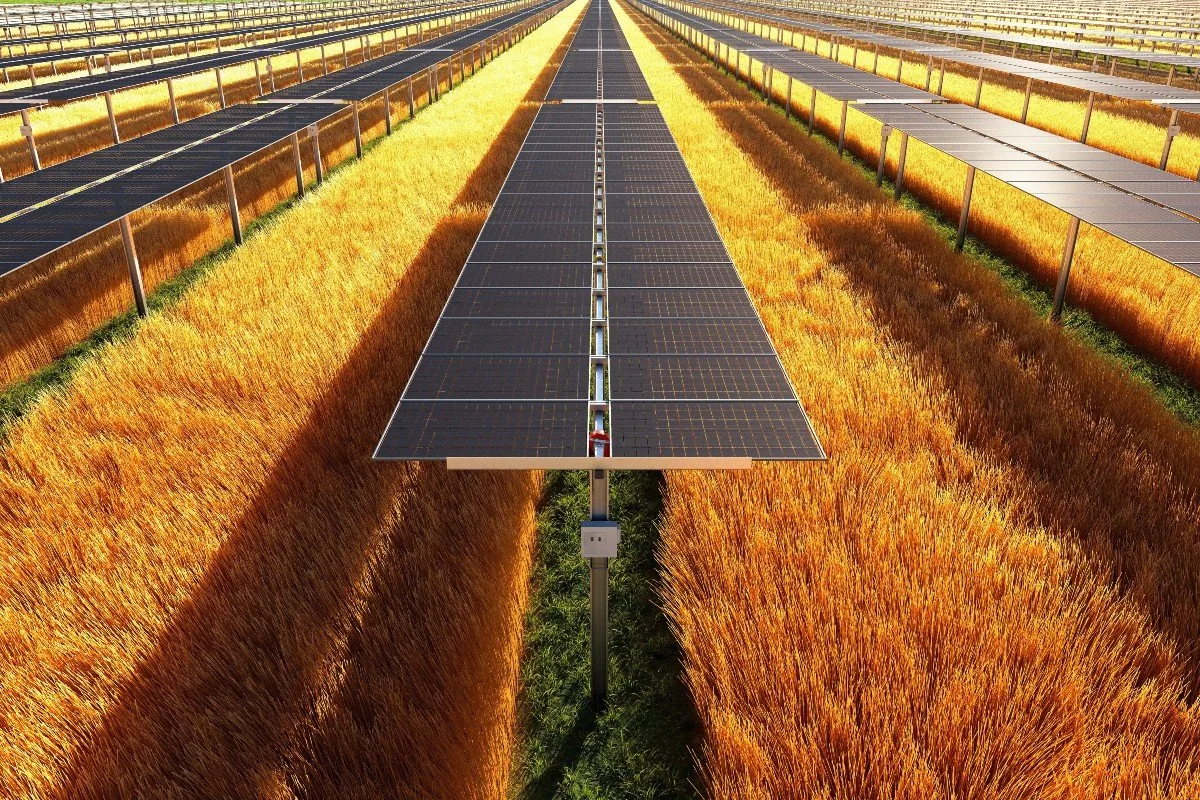
 bskyHow agrivoltaic systems could help UK farmers adapt to heatwaves while boosting solar energyeastangliabylines.co.uk
Key quotes
· 5 pulledSummer in East Anglia is beginning to feel like the south of France.
This is a challenge for farmers, who are seeing significant reductions in crop yields, and livestock growth.
Although more sunshine means more potential solar energy, there is widespread resistance to putting solar panels on farmland.
As farmers in mediterranean countries have been finding, there is a solution which can help with both problems.
Clever use of solar panels can improve
You might also wanna read
UK farmers embrace regenerative methods after heatwave shock

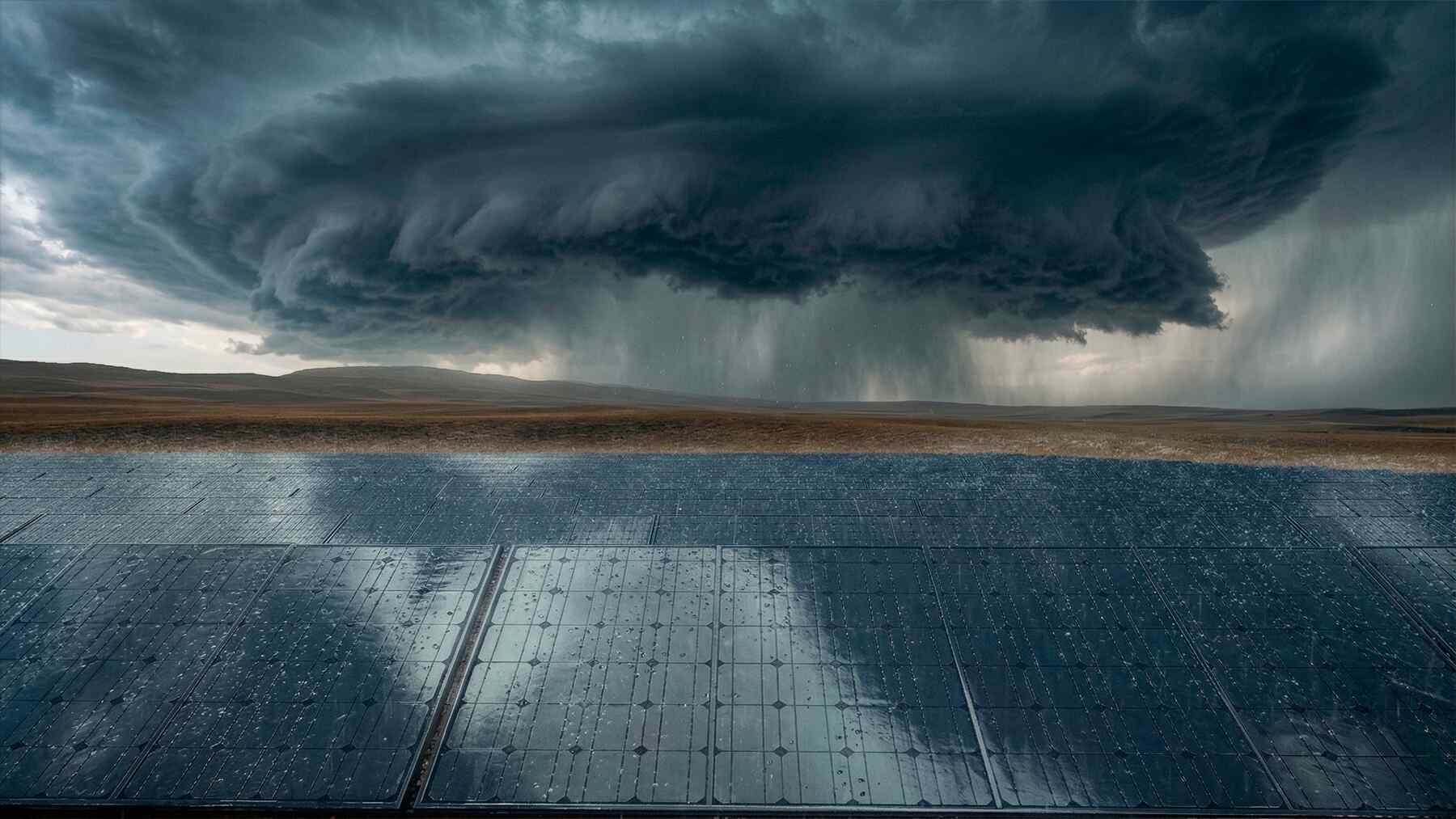
Study Finds Solar Panels Create Rainfall Clouds and Oases in Desert Environments
A recent study reveals that solar panels in desert environments are creating unexpected ecological benefits beyond clean energy production.
 ecoportal.net·2mo ago
.jpg?width=1200&auto=webp&trim=0%2C0%2C0%2C0)
How to turn the British sunshine into your own private power station

BBC Inside Science
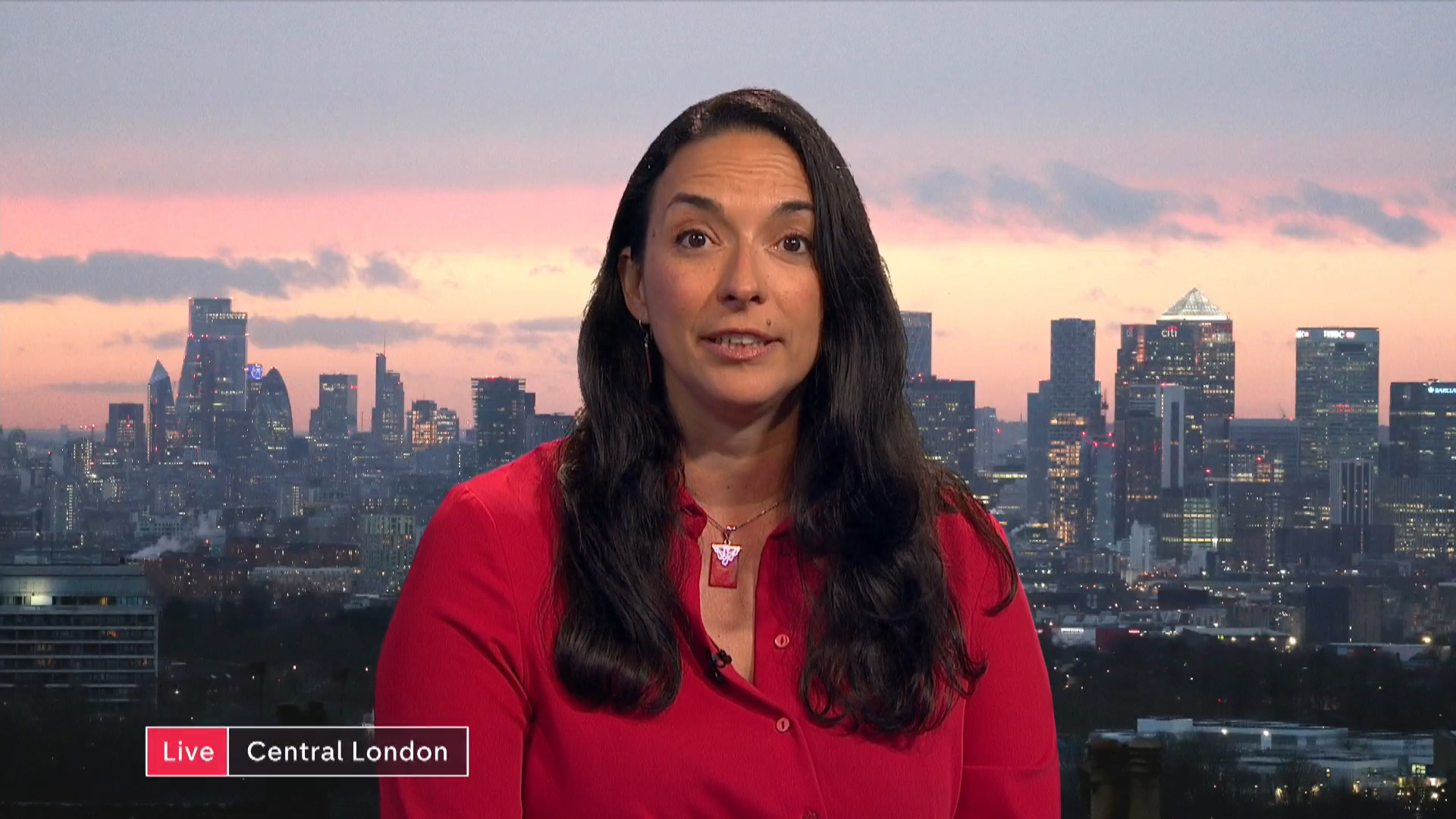
UK cannot rely on air conditioning to cope with heatwaves, says University of Nottingham professor
Professor Lucelia Rodrigues of the University of Nottingham argues that the UK cannot rely on air conditioning to cope with rising temperatu
 channel4.com·11d ago
UK cannot rely on air conditioning to cope with heatwaves, says University of Nottingham professor
Professor Lucelia Rodrigues of the University of Nottingham argues that the UK cannot rely on air conditioning to cope with rising temperatu
channel4.com·11d ago
Comments
Sign in to join the conversation.
No comments yet. Be the first.