
























Exile (1988): How an 8-bit game pioneered realistic physics and open-world exploration
Summary
A nostalgic retrospective on the 1988 video game Exile, originally developed for the BBC Micro by Peter Irvin and later ported to the Commodore 64. The article explores how Exile pioneered realistic physics engines, open-world exploration, and a simulated planetary ecosystem decades before modern games like Grand Theft Auto. The author recounts discovering the game through a Commodore Format cover tape in 1991 and reflects on its innovative features including Newtonian physics, destructible terrain, and a living alien ecosystem that made it a groundbreaking achievement in 8-bit gaming.
Source
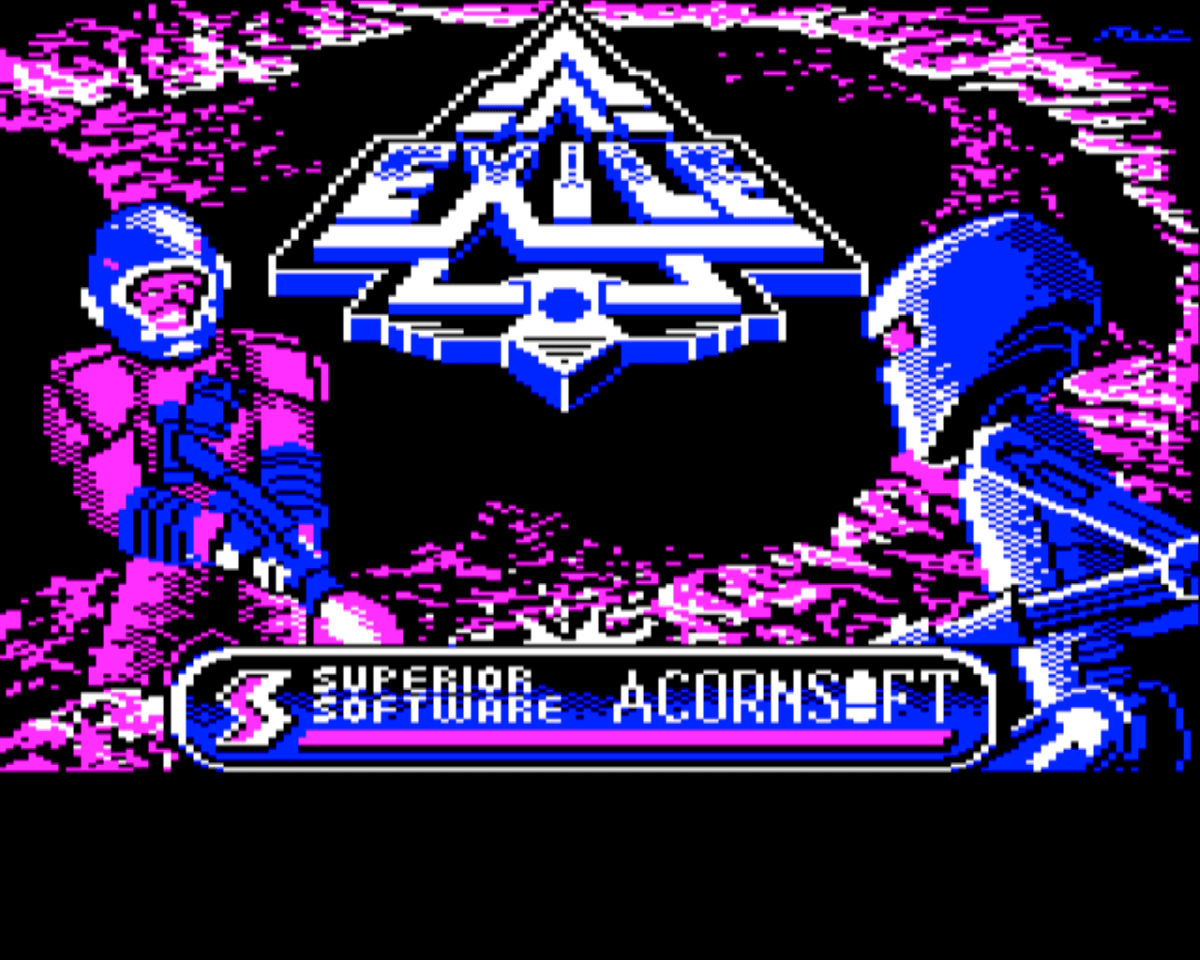
 bskyExile (1988): How an 8-bit game pioneered realistic physics and open-world explorationscanlineartifacts.co.uk
Key quotes
· 3 pulledIn June 1991, during the waning years of the Commodore 64, I picked up my regular issue of Commodore Format, the last great magazine devoted to the format during its commercial life.
But when I fired it up, I was amazed to find myself in a space adventure the likes of which I'd never experienced before.
Realistic physics engines and a planetary ecosystem could be found in an 8-bit computer game set in SPACE!
You might also wanna read


Creating Modern Planet Simulations with GPU Computing: A Technical Exploration
The article discusses the author's project to create a modern planet simulation using GPU computing, inspired by the 1990 game SimEarth. The
 patrickcelentano.com·7mo ago
Z80 TV Game: 1987 Homebrew 8-bit Console Built with 19 ICs
The article documents the Z80 TV Game, an 8-bit homebrew games console developed in 1987 by a Japanese electronics hobbyist. The system uses
 alex-j-lowry.github.io·7mo ago
The Evolution of Video Game Console Security: A History of Protection and Breaches
The article explores the history of video game console security, tracing how consoles evolved from simple embedded systems to complex comput
 sergioprado.blog·2mo ago
Reverse Engineering a 20-Year-Old Game File Format: Technical Challenges and Personal Journey
The article explores the author's personal journey into programming and hacking through video games, specifically focusing on Splinter Cell
Technical Analysis of the 3D Software Rendering Engine in Thief: The Dark Project (1998)
This technical article by Sean Barrett, the primary author of the core rendering technology for Thief: The Dark Project, provides an in-dept
The Z-machine: Infocom's 1979 Fantasy Console for Text Adventure Portability
The article explores the Z-machine, developed by Infocom in 1979, as an early example of a fantasy console - a standardized, portable enviro
 entropicthoughts.com·7mo ago
Comments
Sign in to join the conversation.
No comments yet. Be the first.