
























Technical Analysis of the 3D Software Rendering Engine in Thief: The Dark Project (1998)
In 1998 Looking Glass Studios released the stealth game Thief: The Dark Project. This was just as 3D hardware acceleration was taking off, so due to the development cycle it didn't use hardware…
Read the full articleYou might also wanna read
Graphics Programming weekly - Issue 434 - March 29th, 2026
Old school rendering rant - Tomb Raider analyzes the rendering techniques used in Tomb Raider III, running on hardware without T&L or progra


Nightdive Studios' Thief: The Dark Project Remastered brings the classic stealth game to modern platforms
The next remaster from Nightdive Studios is Thief: The Dark Project Remastered. According to Polygon's preview, it's everything fans have wa
 polygon.com·1mo ago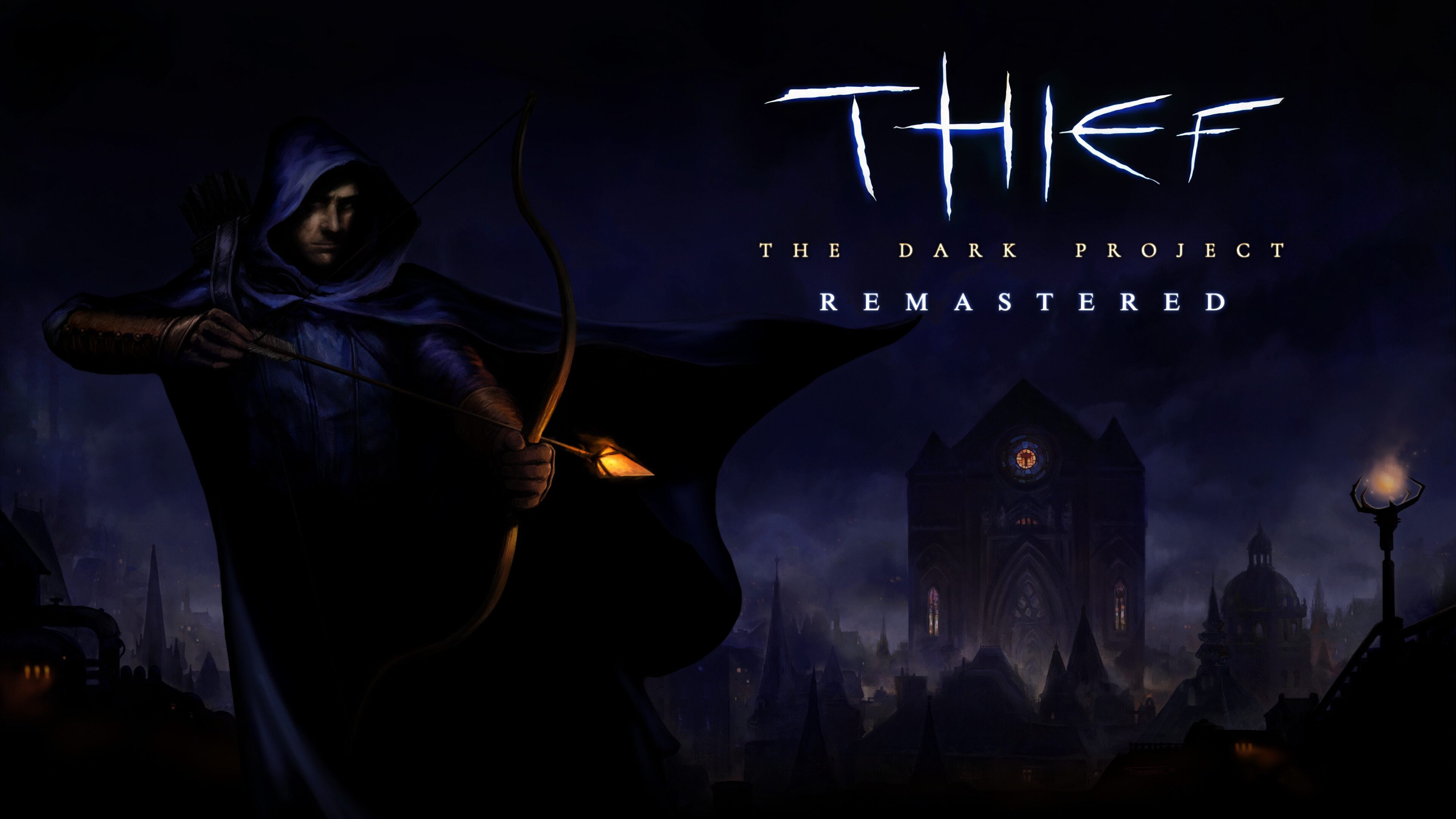
Thief: The Dark Project Remastered announced for modern consoles and PC, launching this winter
Publisher atari and developers Nightdive Studios and Eidos Montreal have announced Thief: The Dark Project Remastered, a modern revival of t
 gematsu.com·1mo ago
Graphics Programming weekly - Issue 443 - May 31st, 2026
Why does ASTC use ISE when almost nothing else does? explains why ASTC uses integer sequence encoding (ISE) shows that ISE’s advantage over
Graphics Programming weekly - Issue 439 - May 4th, 2026
Writing a bindless GPU abstraction layer introduces Loon GPU, a bindless abstraction layer implemented on Vulkan 1.3 and Metal 4 exposes GPU

PC Gaming Show 2026 Highlights: Thief Remaster and Xbox Game Reveals
You thought the showcases were over?!
 purexbox.com·1mo ago
Comments
Sign in to join the conversation.
No comments yet. Be the first.