
























Phages redirect vaccine immunity to attack cancer cells in mouse study
By
Tom Bawden
Summary
Researchers have demonstrated that bacteriophages (viruses that infect bacteria) can be used to redirect vaccine-induced immunity to attack cancer cells. In a mouse study, vaccinating mice against malaria and then using a harmless phage to direct that immune response toward cancer cells led to tumor eradication in nearly half of the animals. This approach could potentially overcome a key limitation of immunotherapy, which currently fails to benefit many patients.
Source
 bskyPhages redirect vaccine immunity to attack cancer cells in mouse studynewscientist.com
Key quotes
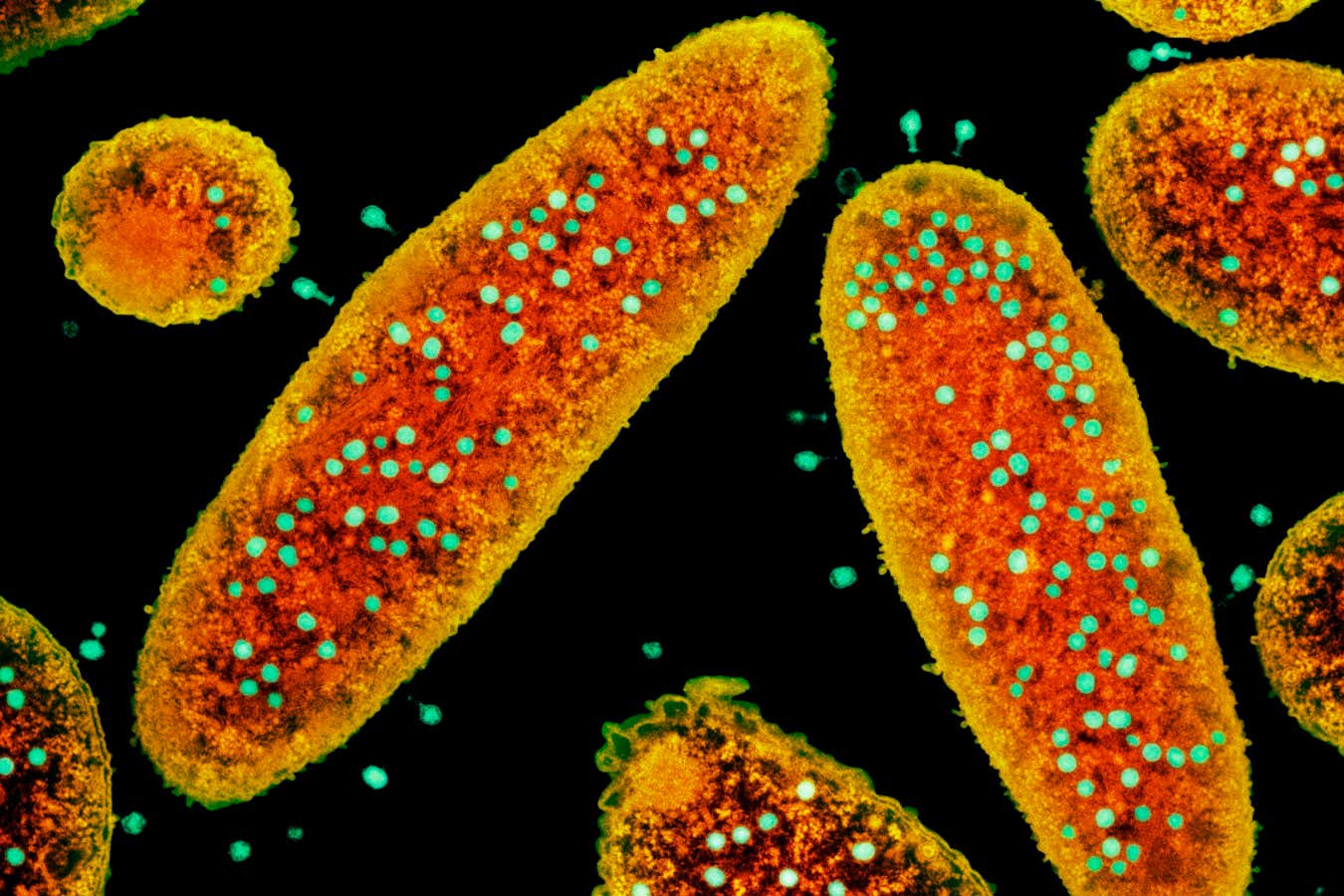
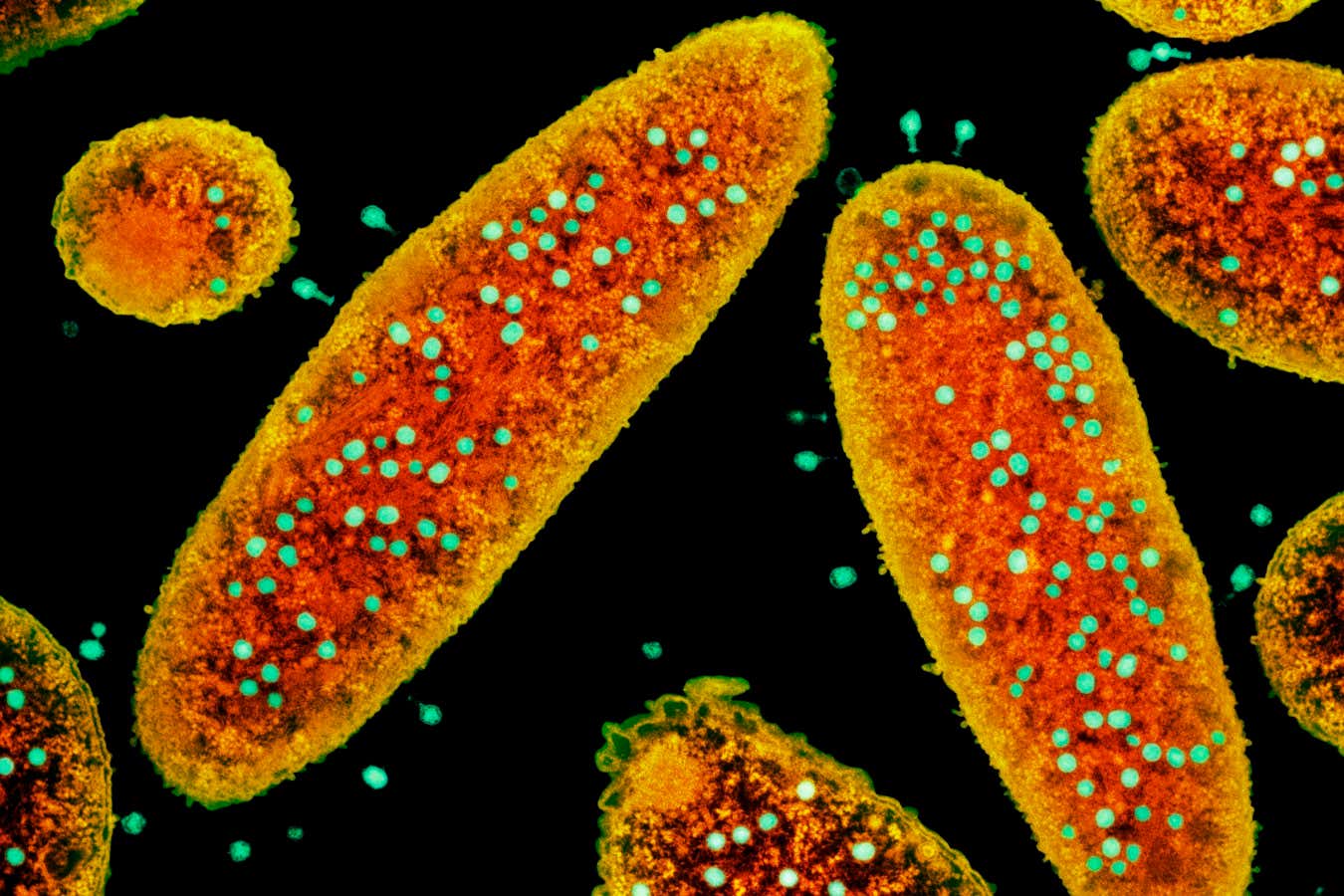
· 3 pulledBacteria-killing viruses have destroyed cancer cells in mice by redirecting the immunity they built up from vaccinations to attack tumours.
Vaccinating mice against malaria and then using a harmless phage, a virus that infects bacteria, to direct that immune response towards cancer cells resulted in the tumours being eradicated in nearly half of the animals.
Immunotherapy, treatments that use our immune system to fight cancer, has transformed how we treat some forms of the condition, but many people still don't benefit.
You might also wanna read

Phages redirect vaccine immunity to attack cancer cells in mouse study
Researchers have demonstrated a novel approach to cancer treatment by using bacteriophages (viruses that infect bacteria) to redirect vaccin
newscientist.com·2d ago
Scientists Develop Universal Cancer Vaccine Using mRNA Technology
Scientists have developed a 'universal cancer vaccine' using mRNA technology that can train the immune system to target any type of cancer,
newatlas.com·11mo ago
Programming the immunological properties of mRNA vaccines for cancer
Mapping the TCR landscape: computational tools empowering translational immunology and therapy design
 jitc.bmj.com·8d ago
Denmark Eliminates Leading Cancer-Causing HPV Strains Following 2008 Vaccine Rollout
Denmark has successfully eliminated infections from the two most dangerous cancer-causing HPV strains (types 16 and 18) following the introd
 gavi.org·9mo ago
Mayo Clinic study reveals immune cells begin preparing to fight cancer earlier than thought
Mayo Clinic researchers have discovered that some cancer-fighting immune cells (T cells) begin preparing to fight cancer much earlier than p
 mayocl.in·6d ago
Comments
Sign in to join the conversation.
No comments yet. Be the first.