
























Passive Design Architecture: A Practical Guide to Low-Energy Buildings
By
Furkan Sen
Summary
This article provides a comprehensive guide to passive design architecture, explaining how buildings can leverage orientation, form, materials, and openings to manage heating, cooling, lighting, and ventilation with minimal mechanical input. It covers key principles including solar orientation, thermal mass, natural ventilation, and shading strategies, and illustrates these concepts with a real project example. The guide emphasizes that most of a building's energy performance is determined by design decisions made before any equipment is selected, and that working with the local climate and sun path lowers energy demand, improves comfort, and reduces long-term operating costs.
Source
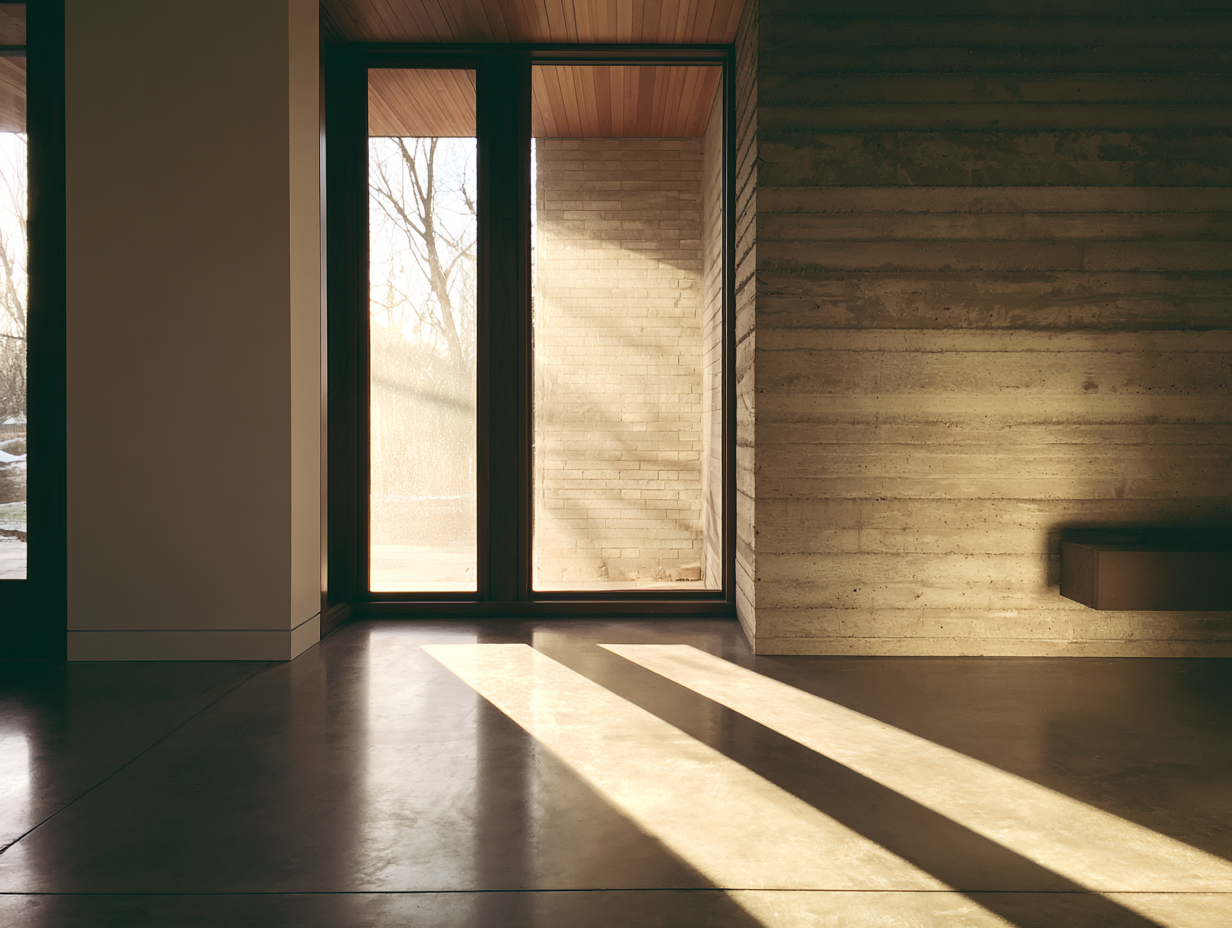
 Twitter / XPassive Design Architecture: A Practical Guide to Low-Energy Buildingsillustrarch.com
Key quotes
· 3 pulledPassive design architecture uses a building's orientation, form, materials, and openings to manage heating, cooling, lighting, and ventilation with little or no mechanical input.
Most of a building's energy performance is decided before any equipment is chosen.
The position of the walls, the size and direction of the windows, the weight of the materials, and the way air moves through the rooms set the baseline that heating and cooling system
You might also wanna read

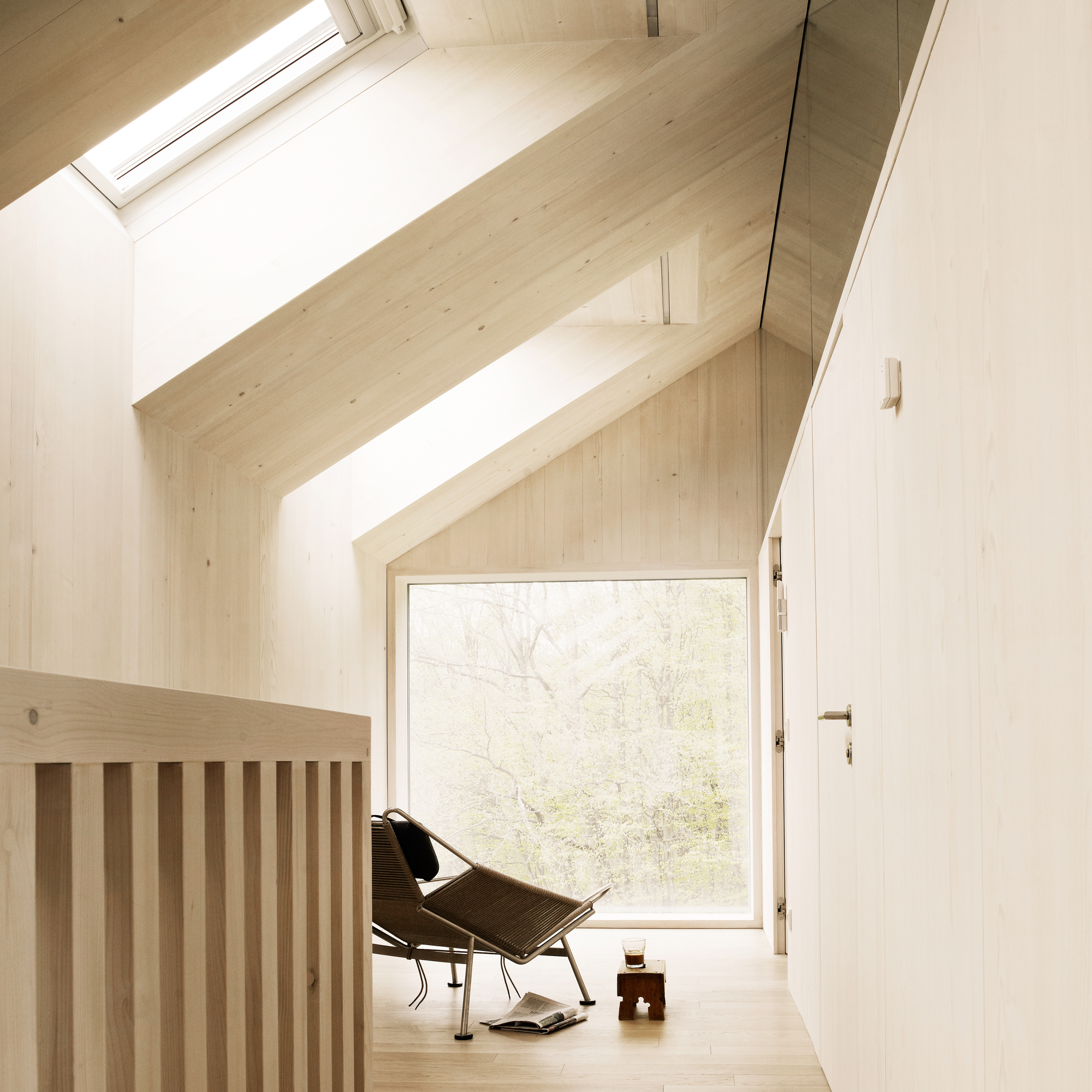
How Passive Design Strategies Improve Building Thermal Performance Through Orientation and Ventilation
This article explores how passive design strategies—such as building orientation, natural ventilation, daylight optimization, and strategic
 archdaily.com·24d ago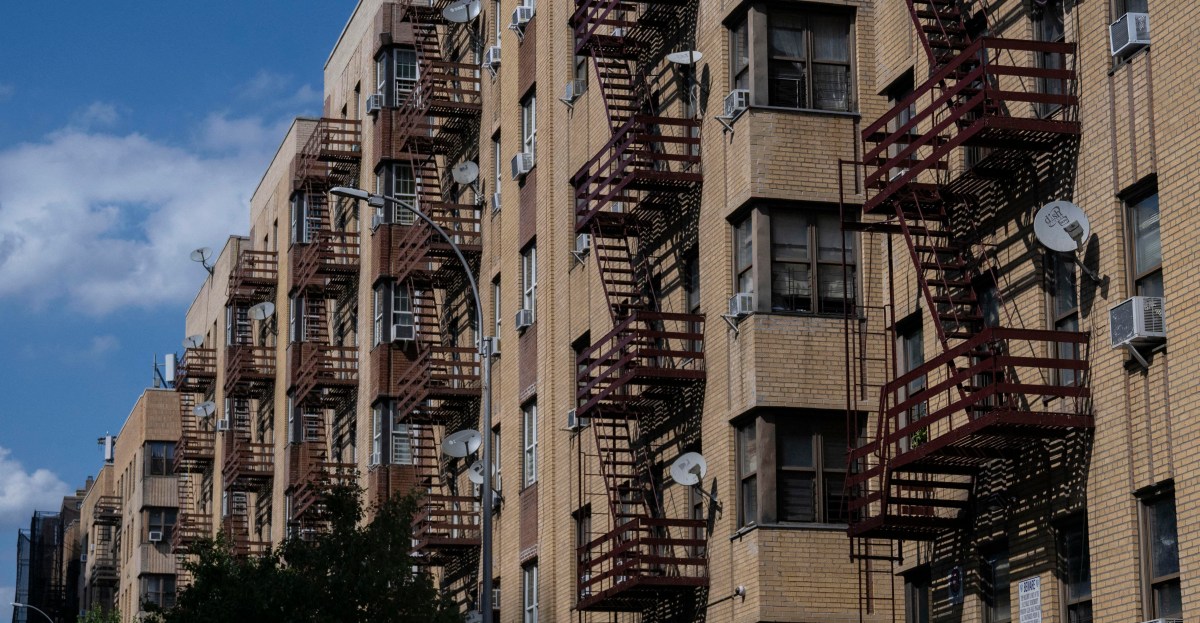
How America's over-reliance on air conditioning makes heat waves more dangerous
This article examines how the United States handles extreme heat waves, focusing on the over-reliance on energy-intensive air conditioning v
 vox.com·2d ago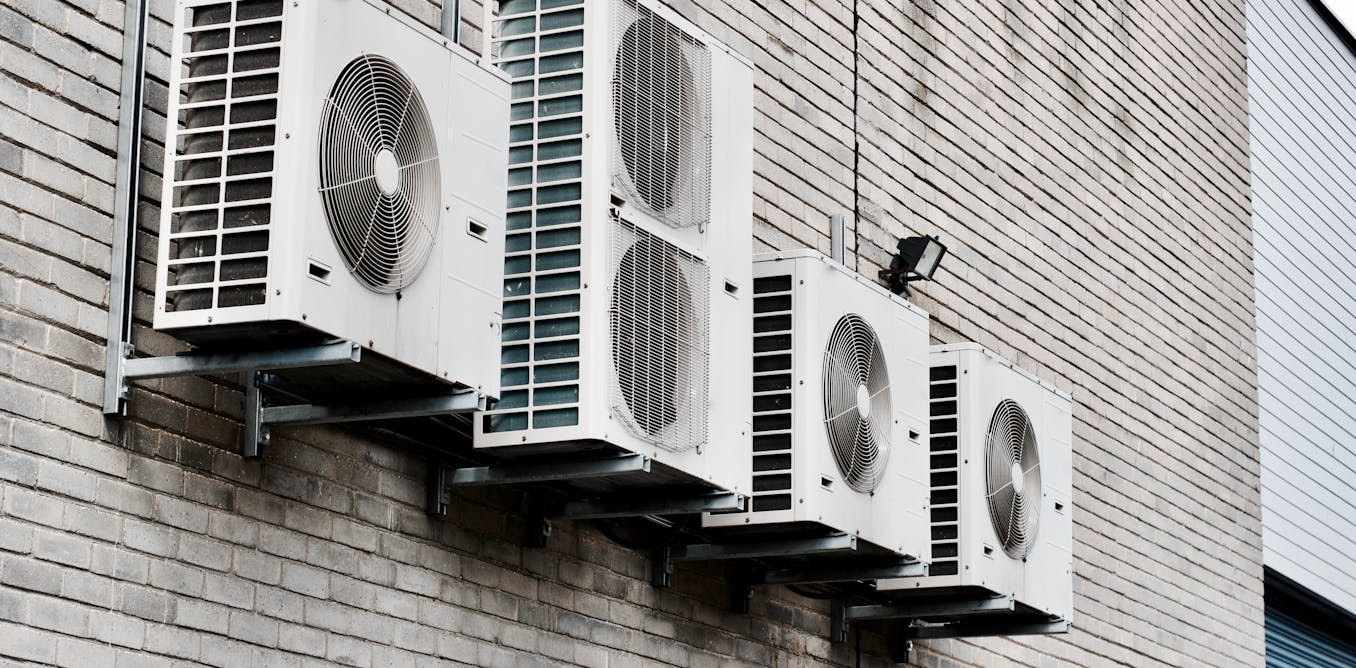
UK faces choice between energy-hungry AC and passive cooling solutions as heatwaves intensify
The UK faces a critical choice in responding to rising temperatures from climate change. Rather than defaulting to energy-intensive air cond
 theconversation.com·1mo ago
Architecture and Sustainability: Rethinking Building Lifespans in the Age of Embodied Carbon
The article examines the question of how long buildings should last in the context of sustainability and embodied carbon concerns. It contra
 Dezeen·6mo ago
UAE University architecture students showcase sustainable community centre and climate-responsive designs
This article from Dezeen School Shows highlights student architecture projects from United Arab Emirates University. Featured projects inclu
Dezeen·15d ago
Study finds sustainable home features boost developer profits by 18% and reduce long-term homeowner costs
A new study challenges the long-held belief among builders and developers that sustainable home features like solar panels, insulation, batt
theconversation.com·13d ago
Comments
Sign in to join the conversation.
No comments yet. Be the first.