

























NIH genomic data security rules slow research progress, spark workarounds among scientists
By
Georgia Michelman Author
Summary
The National Institutes of Health (NIH) implemented new security rules (NIST SP 800-171) for genomic data sets in spring 2025, requiring researchers to use secure cloud computing environments rather than downloading data locally. While intended to protect sensitive genomic data, these rules have significantly slowed research progress, created bureaucratic hurdles, and prompted researchers to develop workarounds. The policy requires institutions to maintain FedRAMP-certified environments, which many universities lack, forcing researchers to navigate complex approval processes or find alternative data sources. Data security experts acknowledge the need for oversight but researchers argue the current implementation is overly burdensome and hindering scientific discovery.
Source

 bskyNIH genomic data security rules slow research progress, spark workarounds among scientistsscience.org
Key quotes
· 4 pulled'It's a huge barrier,' says Andrew Lynn, a developmental cognitive neuroscientist at the University of Louisville. 'I've had to completely rethink how I approach this project.'
'The intent is good — we absolutely need to protect participants' genomic data,' says one researcher who spoke on condition of anonymity. 'But the implementation has been chaotic and poorly communicated.'
'We're seeing labs find creative workarounds, like using smaller, less comprehensive datasets that don't fall under the same restrictions,' says a data security analyst familiar with the situation. 'That's not ideal for science.'
'Universities weren't built for this level of cybersecurity compliance,' explains a university IT director. 'We're scrambling to build infrastructure that meets FedRAMP requirements.'
You might also wanna read


NIH and NASA impose new restrictions on international research collaborations, causing confusion among scientists
U.S. government research funders, including the NIH and NASA, have imposed unprecedented restrictions on U.S. scientists collaborating and p
science.org·24d agoNIH and NASA impose new restrictions on international research collaborations, causing confusion among scientists
U.S. government research funders, including the NIH and NASA, have imposed unprecedented restrictions on U.S. scientists collaborating and p
science.org·24d ago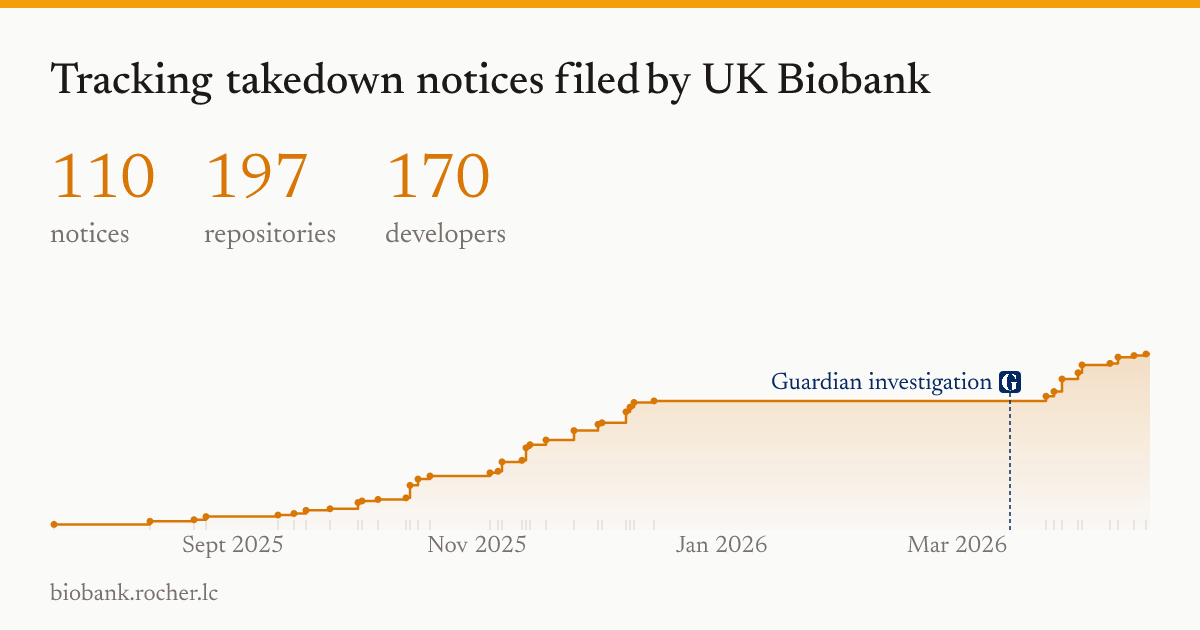
Researchers repeatedly leak UK Biobank participant health data on public GitHub repositories
UK Biobank, which holds genetic and health data on 500,000 British volunteers, has been repeatedly finding that researchers accidentally upl
 biobank.rocher.lc·2mo ago
NIST Announces Policy Change: National Vulnerability Database to Stop Enriching Most CVEs
The US National Institute of Standards and Technology (NIST) has announced a significant policy change for the National Vulnerability Databa
 risky.biz·2mo ago
HHS and FDA announce reforms to accelerate clinical trials and restore US research leadership
The Department of Health and Human Services (HHS), along with Acting FDA Commissioner Kyle Diamantas and NIH Director Jay Bhattacharya, anno
 writingruxandrabio.com·6h ago
NIH Halts Tuberculosis Research Over Unfounded 'Dangerous' Gain-of-Function Concerns
A UC Berkeley professor and NIH grant recipient describes how the NIH abruptly ordered them to stop their tuberculosis research, deeming it
 statnews.com·8mo ago
NIH Limits Scientists to Six Grant Applications Annually Due to AI Concerns
The National Institutes of Health (NIH) has imposed a limit of six grant proposal applications per year for scientists, in response to conce
science.org·11mo agoComments
Sign in to join the conversation.
No comments yet. Be the first.