
























NIH Halts Tuberculosis Research Over Unfounded 'Dangerous' Gain-of-Function Concerns
Safe gain-of-function research is necessary to identify new treatments for diseases like for tuberculosis — but the NIH has imposed unfounded stops.
Read the full articleYou might also wanna read


Terminated NIH Grants on LGBTQ+ Health Reveal Deeper Threats to Scientific Independence
Even with some grants restored, researchers say the deeper damage is harder to undo — and a proposed federal rule could make nonscientific c
 medscape.com·17d ago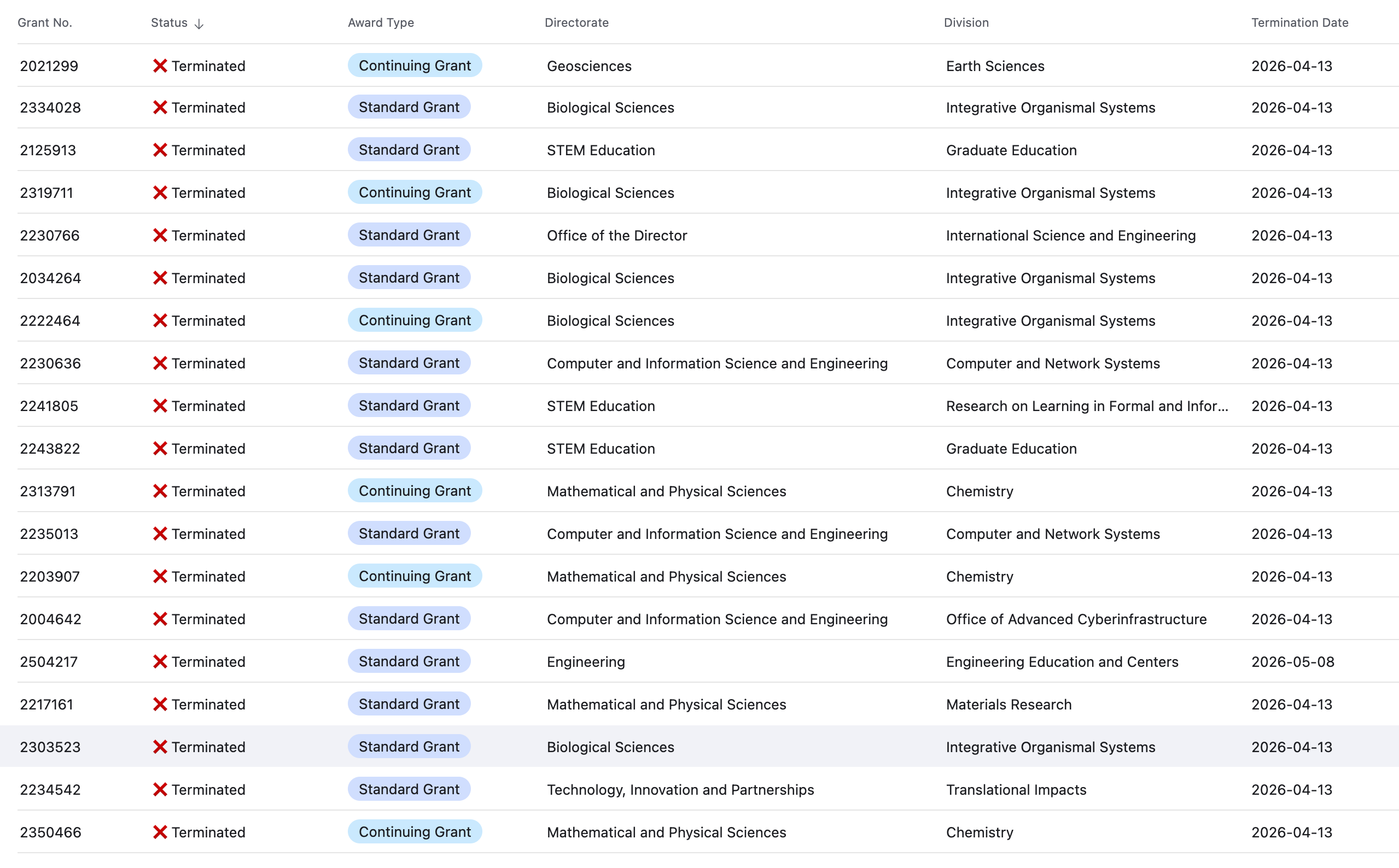
NSF resumes grant terminations and suspends 18 UC Berkeley research grants
After the mass terminations of science and health grants at NSF and NIH in 2025, and then CDC and SAMHSA in early 2026, terminations of scie
 grant-witness.us·1mo ago
‘Shell-shocked’ Chicago scientists raise alarm about federal overhaul of research grant funding
Researchers here and across the country say a proposed rule could undermine a system that has helped fueled scientific innovation for genera

Fictional ODNI Release Alleges Fauci Funded Wuhan Lab Research as COVID-19 Source
Joomla! - the dynamic portal engine and content management system
 odni.gov·28d ago
Fictional ODNI Release Alleges Fauci Funded Wuhan Lab Research as COVID-19 Source
Joomla! - the dynamic portal engine and content management system
odni.gov·28d ago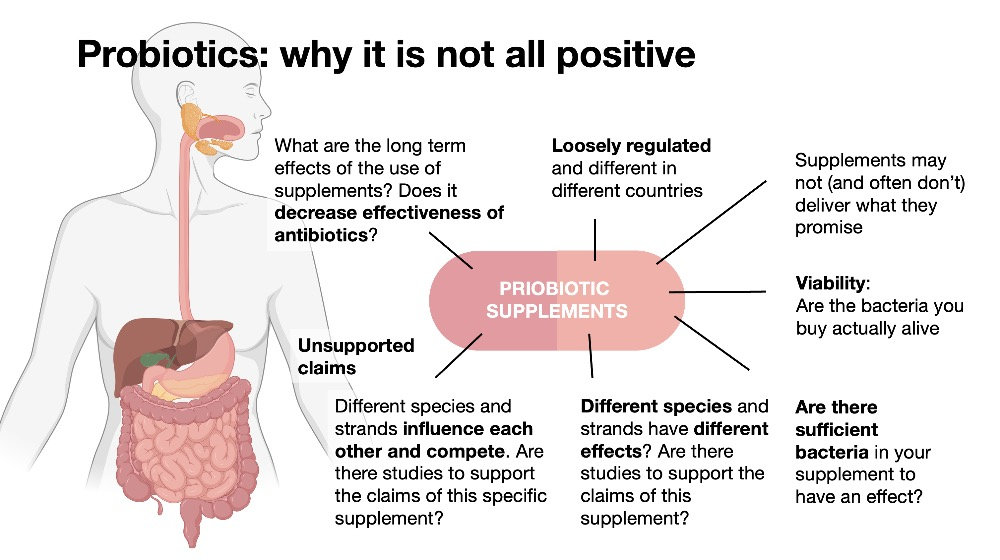
Probiotics: Examining the gap between marketing hype and scientific evidence
If we were to believe the popular media, probiotic foods and supplements seem to have become the answer to all questions. But the massive am
 mssa.app·10d ago
The War on Ultra-Processed Foods: Scientific Scrutiny or Moral Panic?
Does the war on “ultra-processed foods” make any sense?
 theatlantic.com·24d ago
The War on Ultra-Processed Foods: Scientific Scrutiny or Moral Panic?
Does the war on “ultra-processed foods” make any sense?
theatlantic.com·24d ago
Comments
Sign in to join the conversation.
No comments yet. Be the first.