
























New DNA Tech Identifies Soldier Killed in America's Revolution in 1780
By
EditorDavid
Source
 SlashdotNew DNA Tech Identifies Soldier Killed in America's Revolution in 1780slashdot.org
South Carolina's pine forests "have spent centuries hiding a secret as old as America itself," reports CBS News: In August 1780, British and American soldiers clashed there, leading to a terrible defeat for the Continental army [fighting for the 13 colonies rebelling against England]. Battlefield archaeologists Jim Legg and Steve Smith have been studying the site for decades, but recently, they made a shocking discovery: The sandy soil was home to several sets of remains buried in shallow graves. Metal buttons suggested the men had been Continental soldiers, but there was no other identification... About 2,000 Continental soldiers were killed, wounded or captured, and some men never returned home. Their families could only guess at their fates. But Legg and Smith's discovery, paired with an explosion in DNA technology, is changing what's possible. A set of remains, previously known only as 9B, has been identified as John Pumphrey, a young man from Maryland who enlisted in the Continental Army's 7th Maryland Regiment as young as 13... Pumphrey likely marched more than a thousand miles with the regiment. The unit fought in battles with then-Gen. George Washington in New Jersey and Pennsylvania. Pumphrey likely marched more than a thousand miles with the regiment. The unit fought in battles with then-Gen. George Washington in New Jersey and Pennsylvania. In late June, members of the extended Pumphrey family came together to hear his story and say his name for the first time in centuries. His remains are interred in South Carolina, where he and the other soldiers were discovered, but the tombstone, once marked "Unknown," will soon have his name carved on it. Read more of this story at Slashdot.
You might also wanna read


DNA technology leads to identification of Revolutionary War soldier
CBSNews·11h ago
DNA technology leads to identification of Revolutionary War soldier
cbsnews.com·11h ago
Site Not Available
wbaltv.com·15d ago
Ancient DNA study identifies pathogen that killed Napoleon's soldiers during 1812 Russian retreat
A new study analyzing ancient DNA from soldiers of Napoleon's Grande Armée who died during the 1812 retreat from Russia has identified the i
 biotechniques.com·22d ago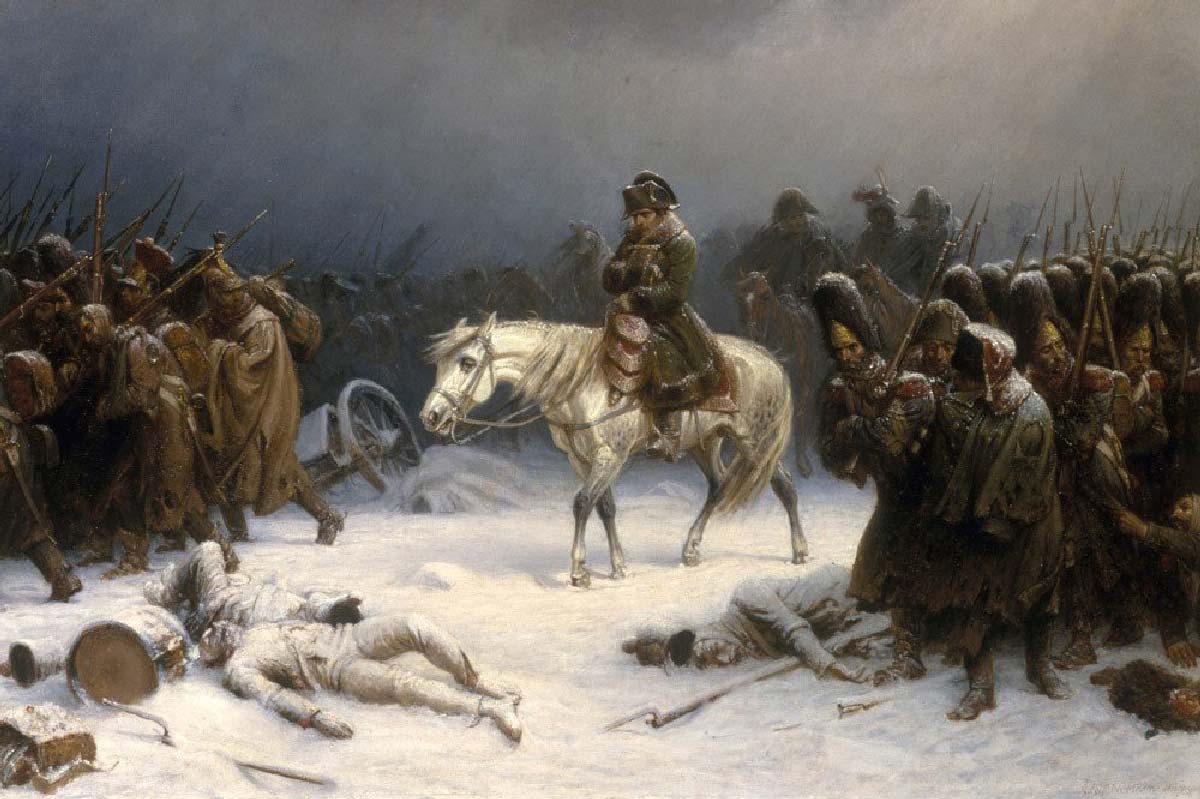
DNA Analysis Reveals Bacterial Infections Killed Napoleon's Soldiers During 1812 Retreat
DNA analysis of teeth from Napoleon's soldiers who died during the 1812 retreat from Russia reveals that enteric and relapsing fevers caused
 gavi.org·8mo ago
Revolutionary War soldier's identity revealed after 250 years
CBSNews·12h ago

DNA analysis of 27 individuals from Catoctin Furnace cemetery reveals genetic ancestry and family ties of enslaved African Americans
This study analyzes DNA from 27 individuals buried in an African American cemetery at Catoctin Furnace, an 18th-19th century Maryland ironwo
 scim.ag·15d ago
Comments
Sign in to join the conversation.
No comments yet. Be the first.