
























MIT develops hybrid propulsion system using single fuel for chemical and electric thrusters
Summary
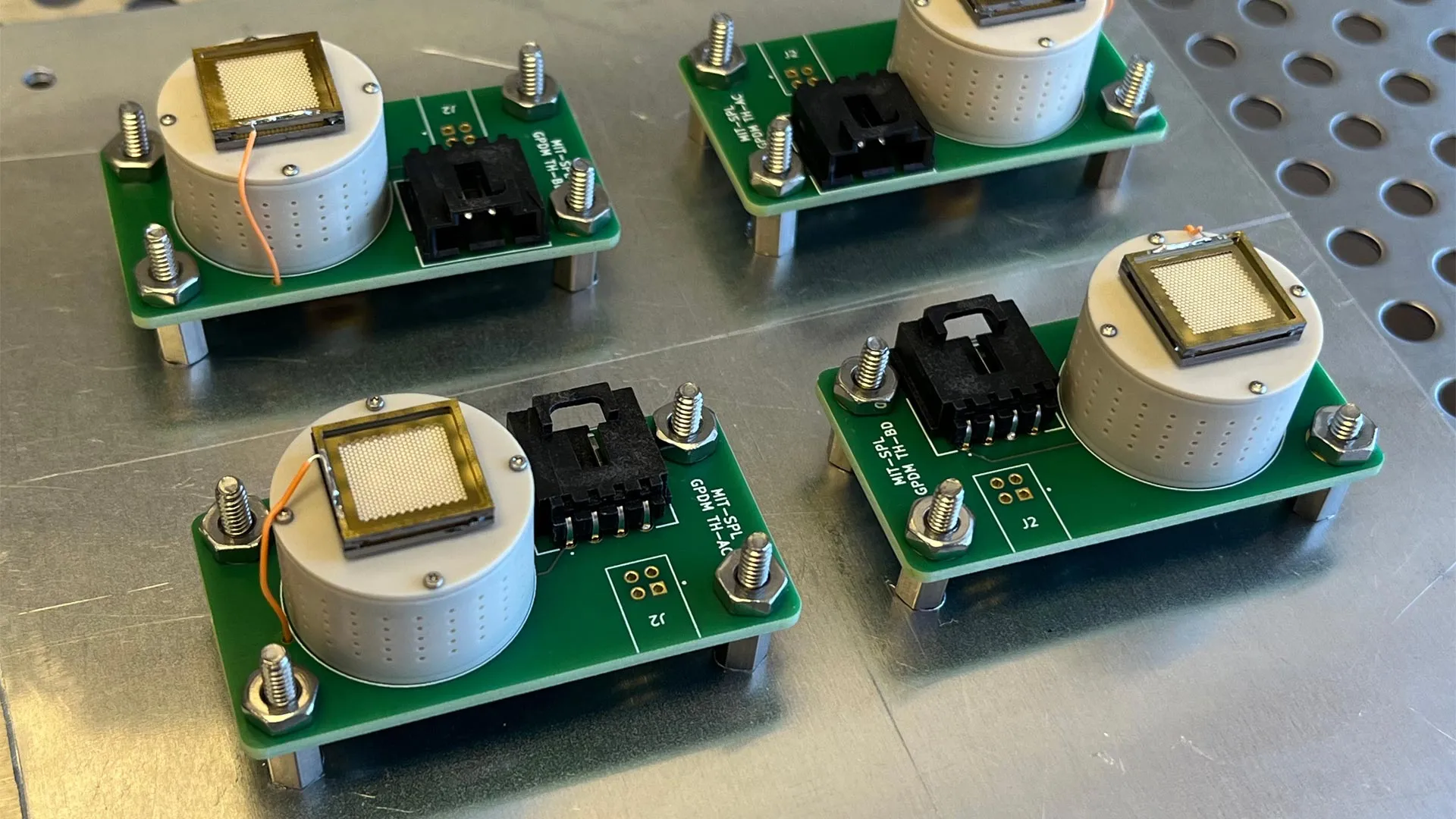
MIT engineers have developed a new spacecraft propulsion system that uses a single specialized fuel to power both chemical and electric thrusters. This hybrid approach combines the rapid burst capability of chemical rockets with the efficiency of electric propulsion, potentially transforming what small satellites can accomplish in space. A NASA-supported CubeSat mission is scheduled to test the technology in orbit, which could give small satellites far greater flexibility by eliminating the need for separate fuel systems for different types of maneuvers.
Source
 bskyMIT develops hybrid propulsion system using single fuel for chemical and electric thrusterssciencedaily.com
Key quotes
· 3 pulledMIT engineers are developing a new spacecraft propulsion system that combines the strengths of traditional chemical rockets with the efficiency and precision of electric thrusters.
The technology could give small satellites far greater flexibility in space.
Instead of relying on separate fuel systems for different types of maneuvers, future spacecraft could use a single propellant to perform both rapid movements and slow, highly controlled adjustments.
You might also wanna read


MIT Develops Bee-Sized Flying Robot for Search-and-Rescue Missions
MIT researchers have developed a tiny, bee-sized flying robot measuring four centimeters wide and weighing under one gram. The micro robot i
 Dezeen·6mo ago
MIT Develops Tiny Flying Robot for Search-and-Rescue Missions
MIT researchers have developed a tiny flying robot measuring four centimeters and weighing under one gram that can fly as fast as a bumblebe
Dezeen·6mo ago
Understanding Xenon Gas in Spacecraft Ion Thrusters
The article discusses the author's professional work with ion thrusters for spacecraft, which use Xenon gas for propulsion due to its proper
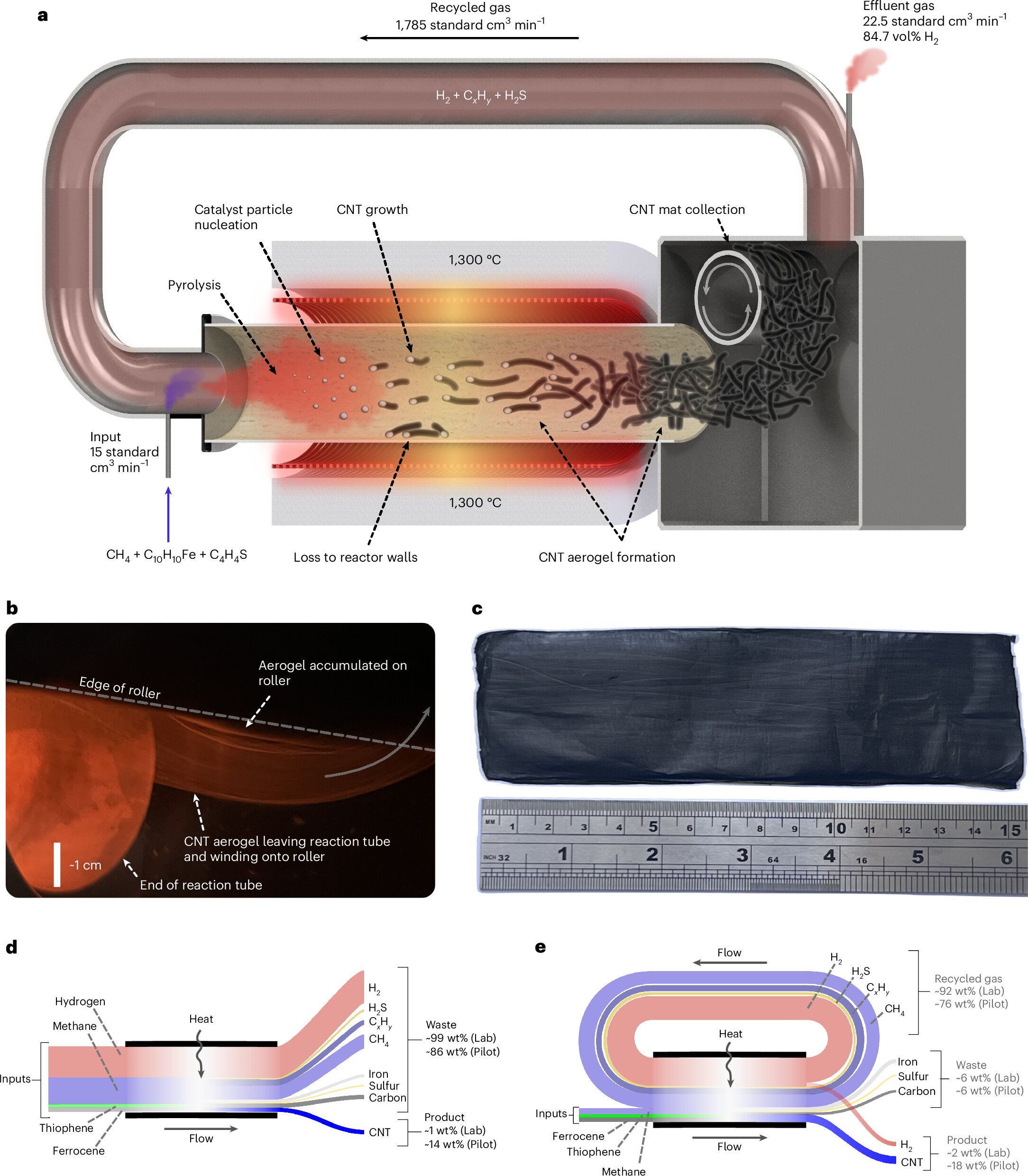
Cambridge Researchers Develop Reactor That Produces Hydrogen and Carbon Nanotubes from Natural Gas
University of Cambridge scientists have developed a novel reactor that simultaneously produces clean hydrogen fuel and carbon nanotubes from
 phys.org·6mo ago
Italian Company Genergo Unveils Propellantless Electromagnetic Space-Propulsion System Successfully Tested in Orbit
Italian deep-tech company Genergo has emerged from stealth mode to reveal a propellantless electromagnetic space-propulsion system that has
 satcom.digital·7mo ago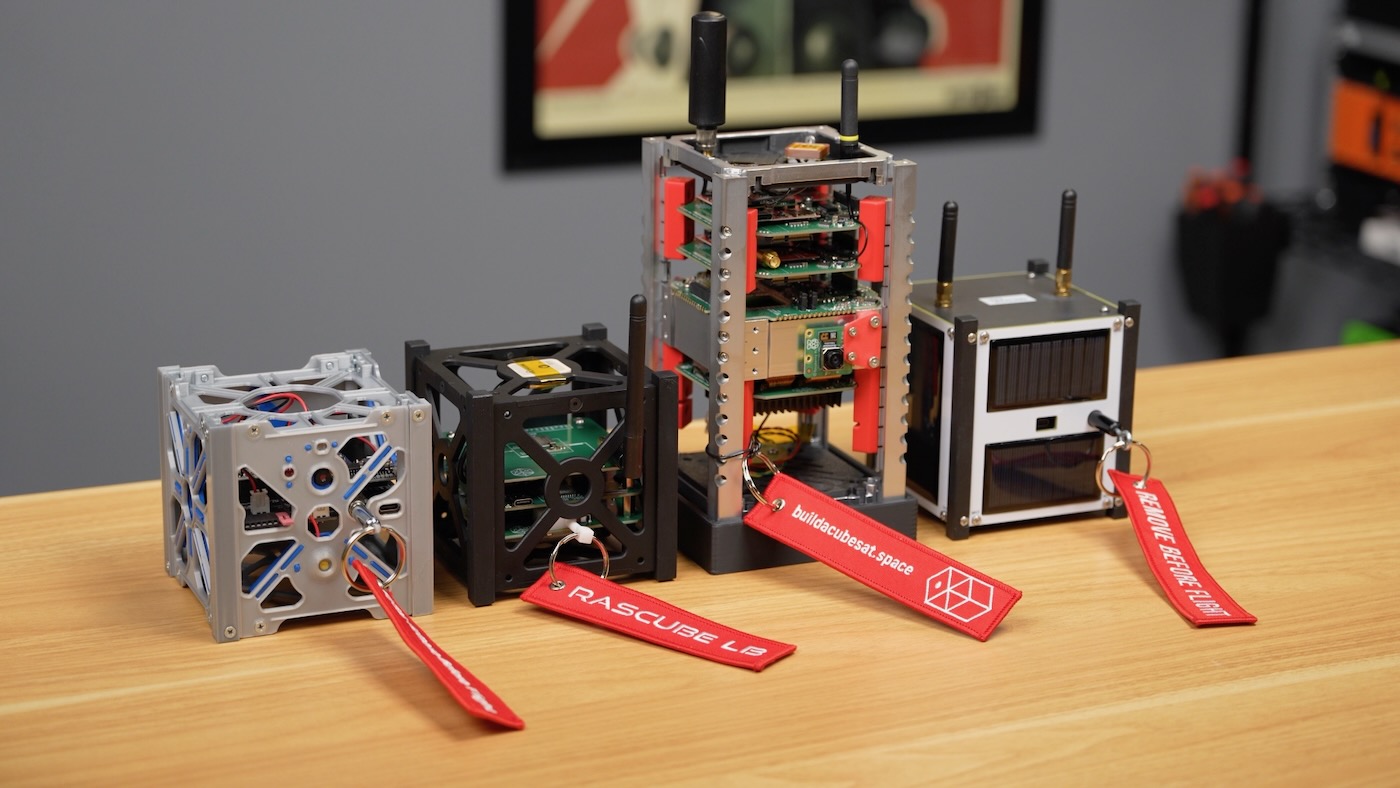
Raspberry Pi and Microcontrollers Powering Educational CubeSat Space Missions
This article explores the use of Raspberry Pi computers and microcontrollers in CubeSats (small satellites), highlighting how these affordab
 jeffgeerling.com·9mo ago
Comments
Sign in to join the conversation.
No comments yet. Be the first.