





















Cambridge Researchers Develop Reactor That Produces Hydrogen and Carbon Nanotubes from Natural Gas
By
westurner

The bagel they save for the regulars. Don't skim, savour.
Summary
University of Cambridge scientists have developed a novel reactor that simultaneously produces clean hydrogen fuel and carbon nanotubes from natural gas. The multi-pass reactor converts methane into hydrogen while capturing carbon in the form of valuable carbon nanotubes, offering a dual-purpose solution for clean energy production and carbon utilization. This breakthrough technology addresses both energy needs and carbon management challenges by creating two high-value products from a single process.
Key quotes
· 5 pulledScientists from the University of Cambridge have developed a new reactor that converts natural gas (a common energy source primarily composed of methane) into two highly valuable resources: clean hydrogen fuel and carbon nanotubes, which are ultralight and much stronger than steel.
Hydrogen is a promising clean energy carrier that produces only water when used in fuel cells, but current production methods often involve significant carbon emissions.
Carbon nanotubes are cylindrical structures made of carbon atoms that possess exceptional strength, electrical conductivity, and thermal properties, making them valuable for applications ranging from electronics to construction materials.
The reactor's multi-pass design allows for efficient conversion of methane while preventing catalyst deactivation, a common challenge in similar processes.
This dual-output approach could transform natural gas from a fossil fuel into a feedstock for both clean energy and advanced materials, potentially reducing the carbon footprint of hydrogen production.
You might also wanna read

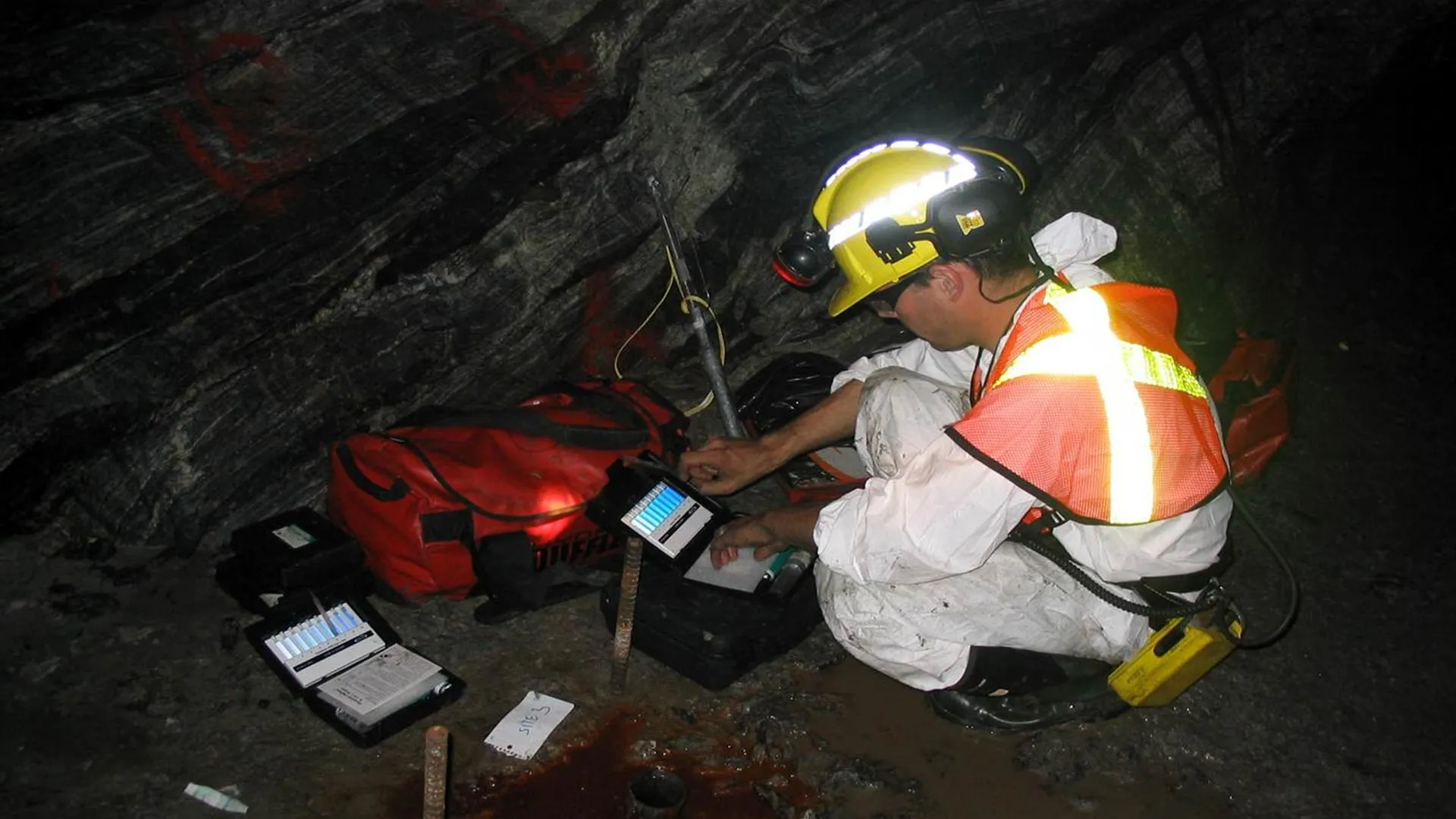
Researchers confirm natural hydrogen production from ancient Canadian Shield rocks
Researchers from the University of Toronto and the University of Ottawa have discovered that ancient rocks beneath the Canadian Shield are n
Researchers confirm natural hydrogen production from ancient Canadian Shield rocks
Researchers from the University of Toronto and the University of Ottawa have discovered that ancient rocks beneath the Canadian Shield are n

Lab study shows hydrogen can be produced from rocks while storing CO2 underground
Researchers at the University of Texas at Austin have demonstrated in lab studies that it's possible to generate hydrogen from rocks deep un
 newscientist.com·1d ago