





















Johns Hopkins Researchers Develop Brain Organoids to Uncover Biological Differences in Alzheimer's Patients

Hot, fresh, and worth queueing round the block for.
Summary
Researchers at Johns Hopkins Medicine have developed patient-derived brain organoids (mini lab-grown brain models) that may help explain why Alzheimer's patients respond differently to treatments. These organoids and the particles they release could reveal hidden biological differences among patients, potentially enabling more personalized treatment approaches for Alzheimer's disease.
Key quotes
· 3 pulledPersonalized treatment remains one of the biggest challenges in Alzheimer's disease.
Two patients can receive the same medication for symptoms such as depression, anxiety, or agitation and experience very different outcomes, leaving doctors with few ways to predict who
Tiny lab-grown brain models and the particles they release may reveal hidden differences among Alzheimer's patients.
You might also wanna read

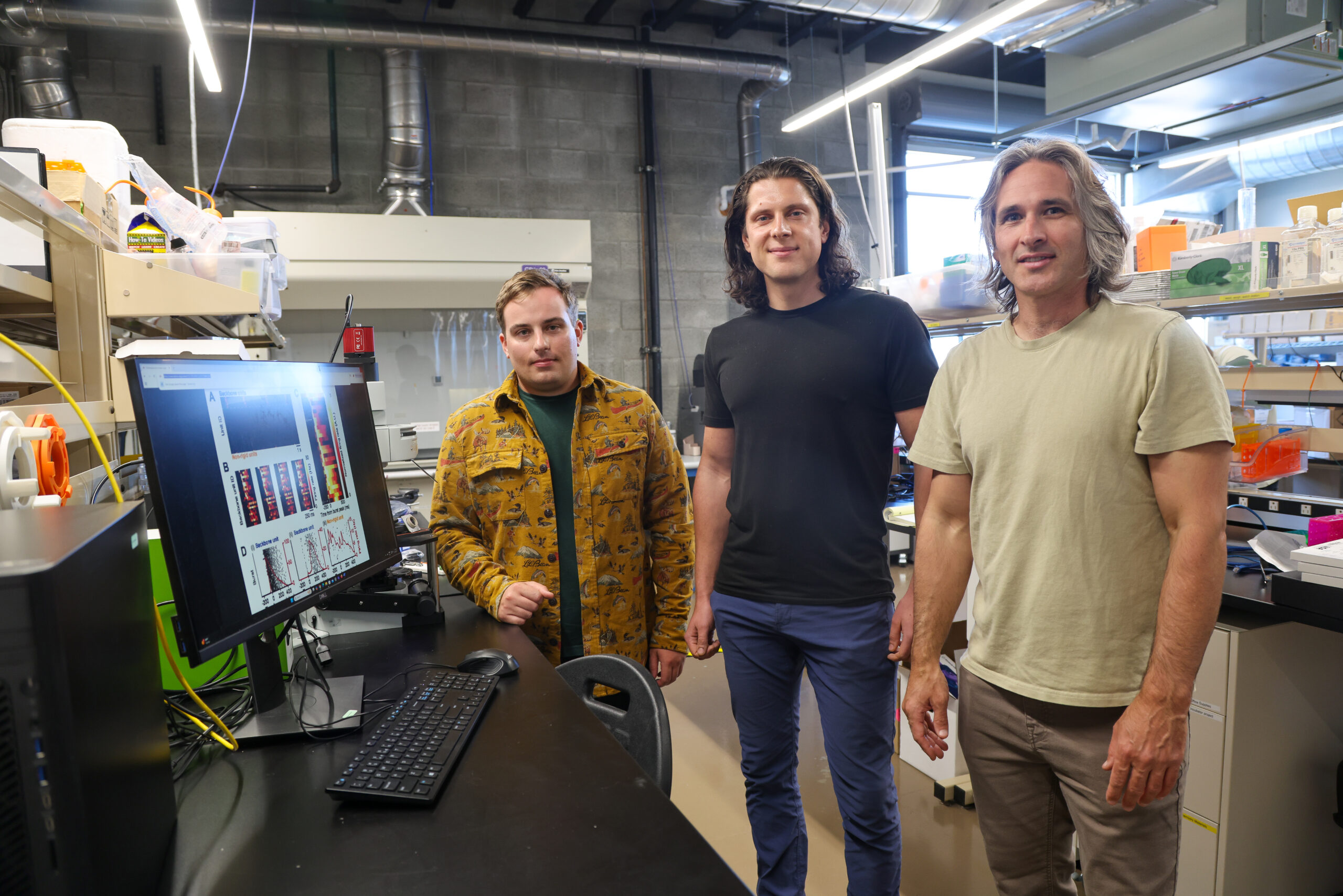
Brain Organoid Research Reveals Pre-Configured Electrical Patterns in Early Human Brain Development
Researchers at UC Santa Cruz used brain organoids to study early brain development, discovering that human brains show organized electrical
 news.ucsc.edu·6mo ago
Bioactive Nanoparticles Reverse Alzheimer's Disease in Mice by Clearing Amyloid-β Proteins
Researchers from the Institute for Bioengineering of Catalonia and West China Hospital Sichuan University have developed bioactive nanoparti
 drugtargetreview.com·8mo ago
Study Shows Alzheimer's Disease Can Be Reversed for Full Neurological Recovery in Animal Models
A research team from Case Western Reserve University, University Hospitals, and the Louis Stokes Cleveland VA Medical Center has demonstrate

Alzheimer's Treatment Clears Brain Plaques in Mice Within Hours
Scientists have developed a treatment that repairs the brain's natural gateway system in mice with Alzheimer's-like conditions, allowing amy
 sciencealert.com·8mo ago
New Research Reveals How the Brain Regulates Blood Flow
The article discusses new research findings on how the brain regulates blood flow on demand, with potential implications for understanding n
 hms.harvard.edu·10mo ago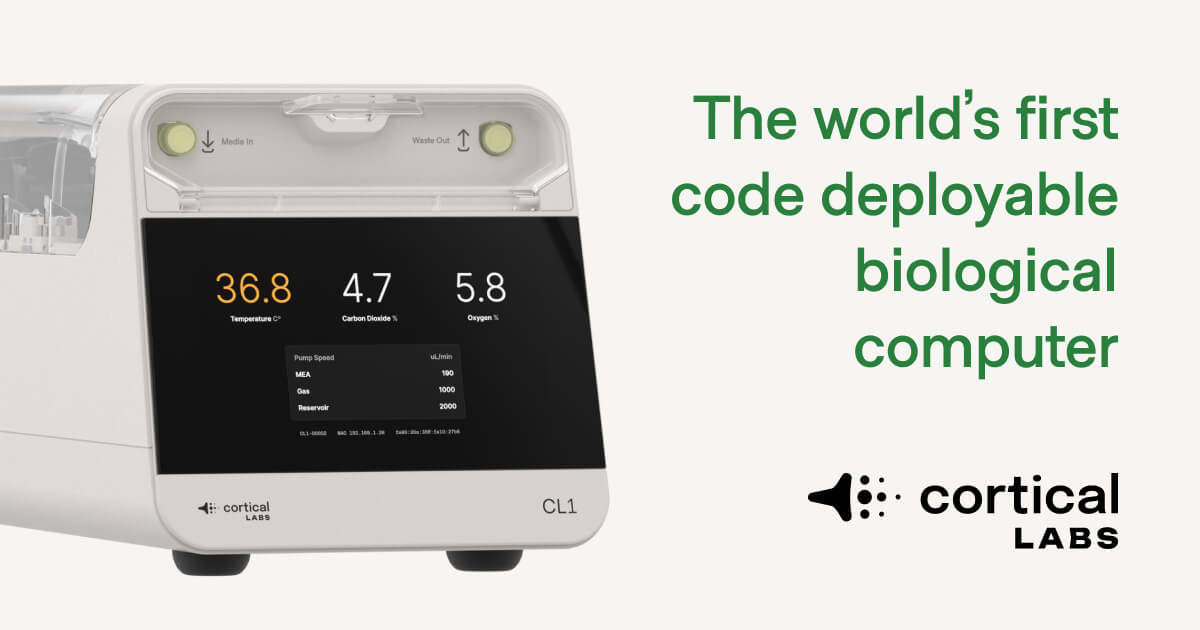
Cortical Labs: Developing Biological Intelligence Systems Using Living Neurons
The article appears to be about Cortical Labs, a company working on biological computing systems that combine living brain cells with comput
 corticallabs.com·3mo ago