
























The Early Campaign to Develop the Columbia River and Bonneville Dam
By
eternauta3k
Summary
A historical account of early 20th-century efforts to develop the Columbia River through the Bureau of Reclamation, focusing on the Bonneville Dam project. The piece details how the Department of the Interior investigated irrigation and hydroelectric potential in the Pacific Northwest, with the Oregon State engineer advocating for the Bonneville site as a national-defense measure to produce fertilizer in peacetime and nitrates for munitions in wartime.
Source
 Hacker NewsThe Early Campaign to Develop the Columbia River and Bonneville Damcomputer.rip
Key quotes
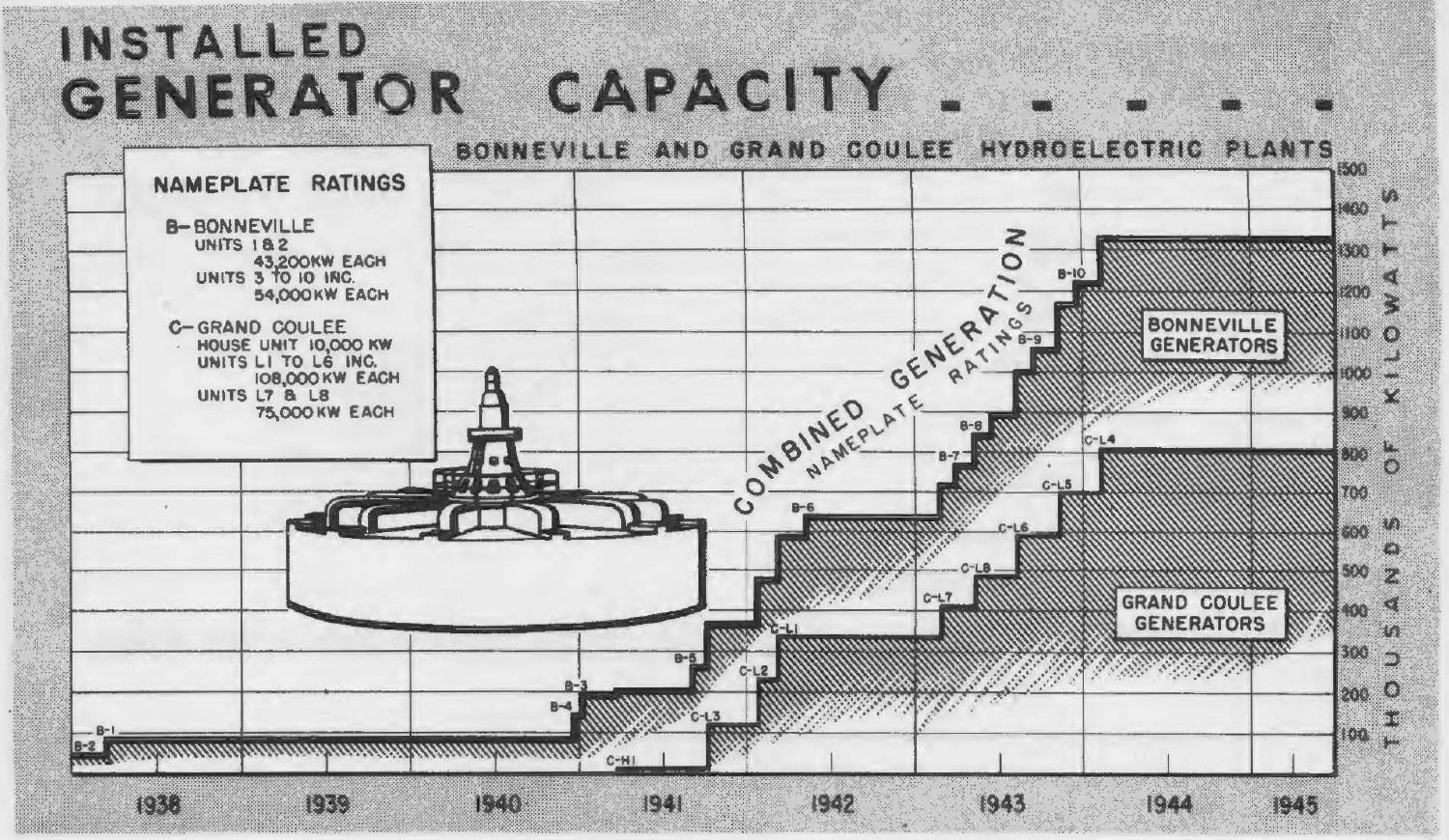
· 4 pulledIn 1914 the Department of the Interior, through the Bureau of Reclamation, investigated the possibilities of developing the Columbia River.
Thousands of arid but potentially fertile acres needed only water to become the Imperial Valley of the Northwest.
Locked in the mountain ranges were valuable ores awaiting electricity to turn them into needed metals.
Two years later the State engineer of Oregon urged the development of the Bonneville site as a national-defense measure: he saw in the proposed power project a source of fertilizer in time of peace and nitrates in time of war.
You might also wanna read

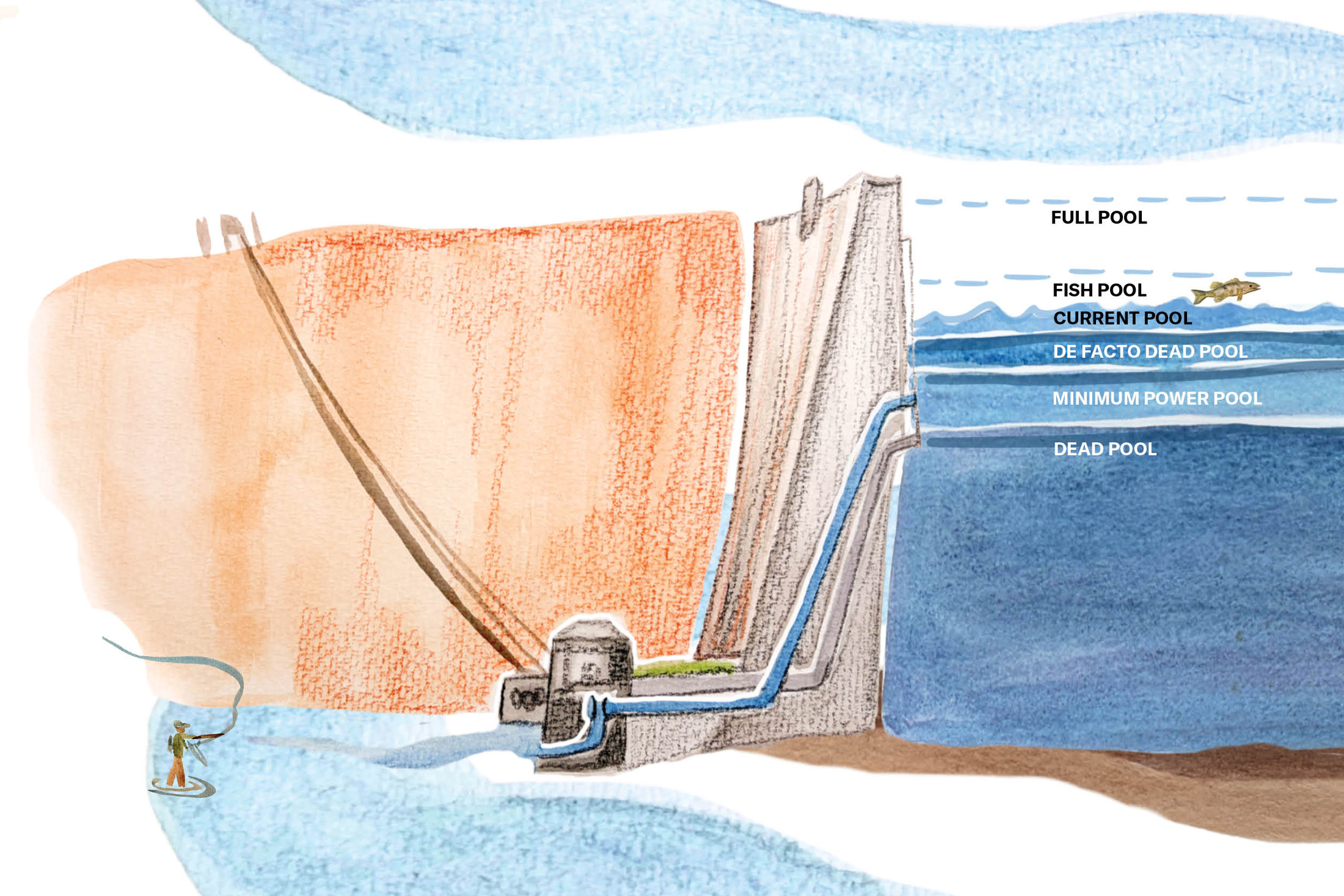
Megadrought threatens Glen Canyon Dam's ability to store Colorado River water
The article discusses the precarious situation of Glen Canyon Dam on the Colorado River, which was built in 1956 to create Lake Powell as a
 buff.ly·14d ago
Oregon Leaders Are Trying to Save the Deschutes River. Here’s Why That’s So Hard.

Letter: Lower Snake River dams face economic pressure from declining output and cheaper solar energy
This letter to the editor argues that the four lower Snake River dams are facing metaphorical "cracks" due to declining energy generation (d
How Canada's Hydroelectric Boom Drove an Early Great Acceleration
This article examines Canada's environmental history through the lens of the "Great Acceleration" framework, arguing that Canada's accelerat
 niche-canada.org·1mo ago
Arizona's Salt River Project: How a 1903 landowner voting system shapes the utility's energy future
The Salt River Project (SRP) in Arizona operates under a unique 1903 voting system where landowners get one vote per acre, giving disproport
 grist.org·1mo ago
Northwest Indiana crews survey culverts and dams to assess water flow and fish passage
Crews in Northwest Indiana are creating a database of conditions at culverts, bridges, dams, weirs, and other manmade structures in streams.
 chicagotribune.com·7d ago
Comments
Sign in to join the conversation.
No comments yet. Be the first.