





















How Canada's Hydroelectric Boom Drove an Early Great Acceleration
By
by Daniel Macfarlane

Crackling crust, pillowy middle. The kind of bagel that earns a second cup of coffee.
Summary
This article examines Canada's environmental history through the lens of the "Great Acceleration" framework, arguing that Canada's acceleration began earlier than the mid-20th century global trend—starting in the early 1900s with hydroelectric power development. It challenges the conventional "energy transition" narrative by showing how Canada's hydroelectric boom didn't replace fossil fuels but instead enabled industrial growth that increased overall energy consumption, creating a symbiotic relationship between different energy sources. The piece is part of a series exploring Canadian environmental history and the Great Acceleration concept.
Key quotes
· 3 pulledIf the Great Acceleration – the dramatic increase in human activity and the resulting impact on the Earth's natural systems since the mid-20th century – is a valid framework, then surely Canada helped set the pace.
Canada emerged as a major producer of fossil fuels during the Cold War and has earned the moniker of climate villain.
Canada's hydroelectric history suggests its 'Great Acceleration' began in the early 1900s, driven by symbiotic energy growth rather than transitions.
You might also wanna read


La Policia Nacional obre expedient disciplinari a un agent per agredir una docent durant la vaga al País Valencià
La Policia Nacional ha obert un expedient disciplinari a un agent que va agredir violentament una docent durant les protestes de la vaga de
 ara.cat·1h ago
A Theoretical Framework for Targeting and Tailoring in Data-Driven Political Campaigning on Social Media
This article presents a theoretical framework for understanding two key practices in data-driven campaigning (DDC): targeting (selecting whi
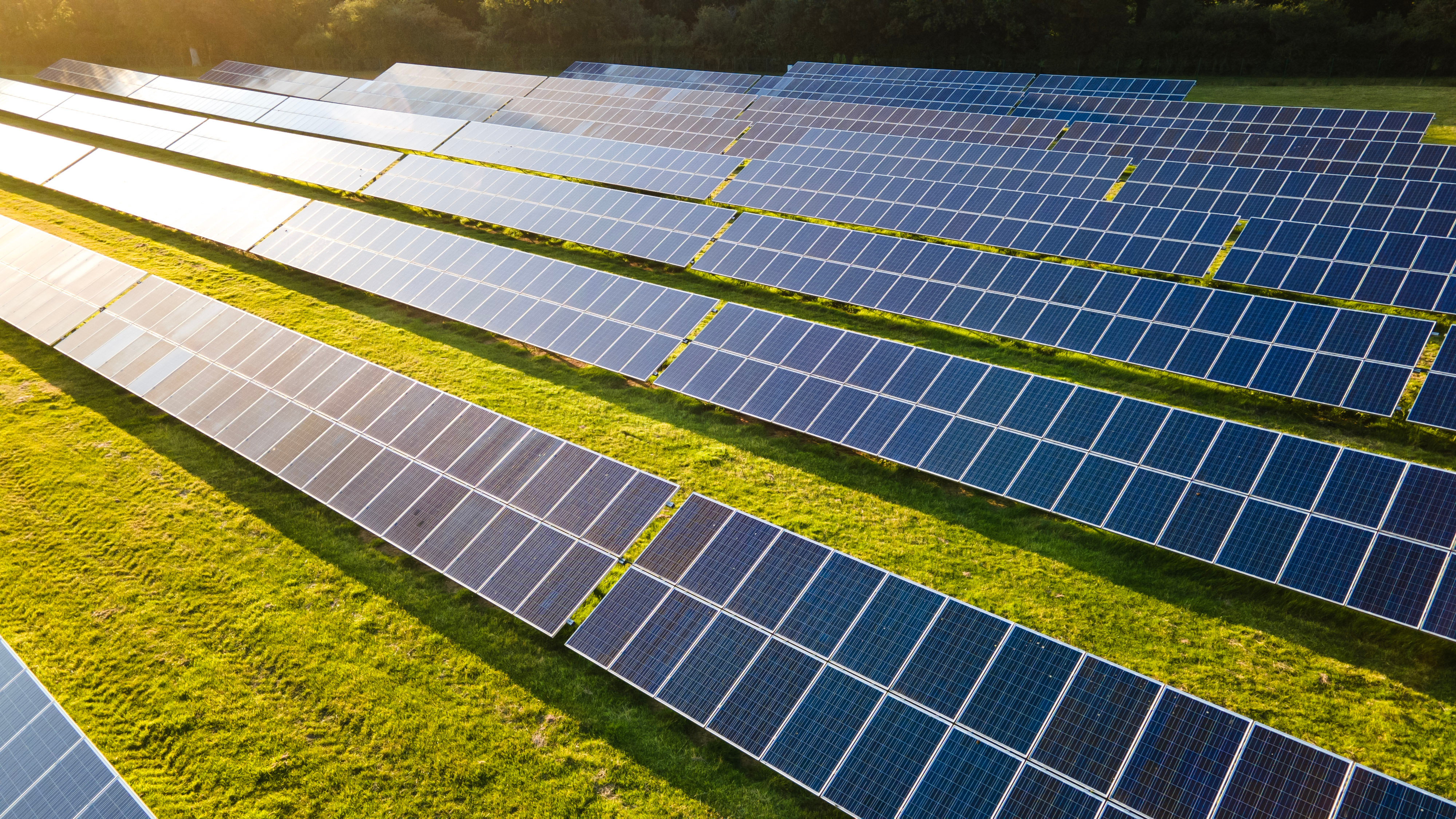
Poll finds Reform UK voters prefer solar farms over fracking despite party's anti-net-zero stance
A poll by More in Common for the Energy and Climate Intelligence Unit (ECIU) found that 43% of Reform UK voters would prefer a solar farm in
 edie.net·3h ago
EU Council adopts first-ever framework for science diplomacy
The Council of the EU has adopted its first-ever framework for science diplomacy, based on a European Commission proposal. The framework aim
 research-and-innovation.ec.europa.eu·4h ago
Australia's emissions drop 2.1% as renewables, EVs, and green investment surge
Australia's latest National Greenhouse Gas Inventory shows emissions fell 2.1% in the year to December 2025, driven by increased renewables,
 reneweconomy.com.au·10h ago
Chicago Teachers Union members reject dues increase for political campaign funding
Chicago Teachers Union members voted overwhelmingly against a proposed amendment that would have raised union dues to fund political campaig
 chicagotribune.com·10h ago