





















Arizona's Salt River Project: How a 1903 landowner voting system shapes the utility's energy future
By
Jake Bittle

Hot, fresh, and worth queueing round the block for.
Summary
The Salt River Project (SRP) in Arizona operates under a unique 1903 voting system where landowners get one vote per acre, giving disproportionate power to large landowners like the conservative group Turning Point USA. Climate-focused candidates are running to steer SRP toward clean energy, but face opposition from this entrenched voting structure that favors fossil fuel interests. The article examines how this antiquated system impacts Arizona's energy future and the broader challenges of outdated electricity governance in the U.S.
Key quotes
· 3 pulledIn a country characterized by antiquated systems for regulating how electricity is produced and transported to homes and businesses, one utility in Arizona may be the most outdated.
The landowners created the Salt River Project Association to govern the operation of the dam, and gave each landowner a vote for every acre of land they owned.
A group of climate-focused candidates is hoping to steer the Salt River Project toward clean energy. Turning Point USA stands in their way.
You might also wanna read

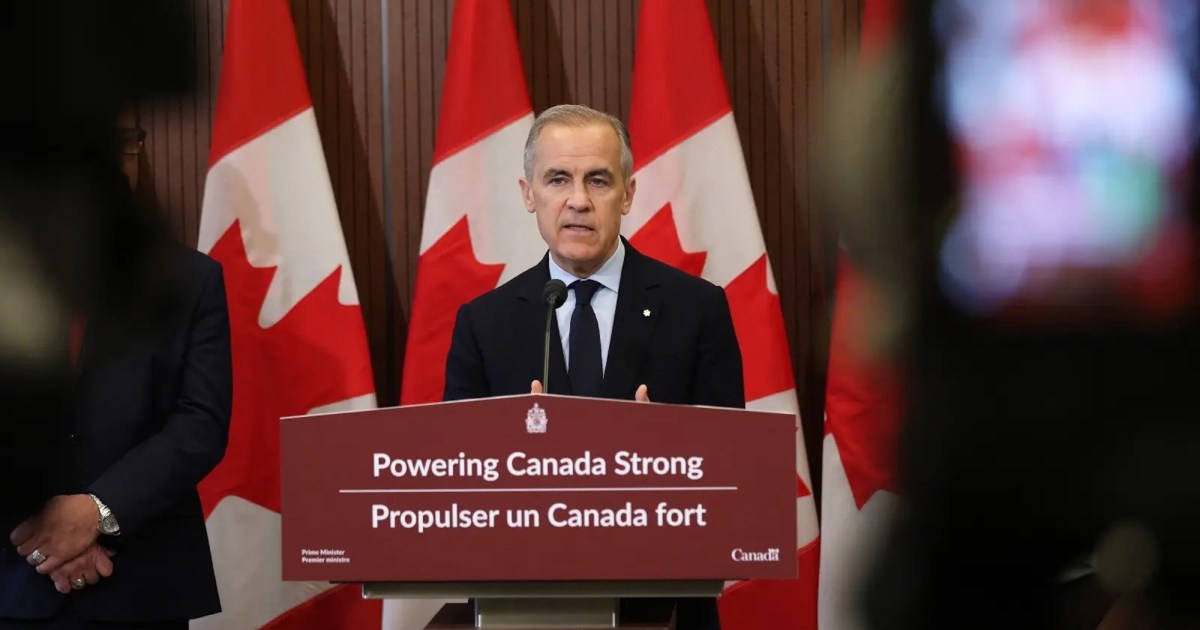
Canada shifts from climate leadership to oil expansion under Carney amid U.S. trade pressures
This article examines how Canada, once seen as a climate leader, is now doubling down on oil production under Prime Minister Mark Carney. De
 motherjones.com·8h ago
Canada shifts from climate leadership to oil expansion under Carney amid U.S. trade pressures
This article examines how Canada, once seen as a climate leader, is now doubling down on oil production under Prime Minister Mark Carney. De
motherjones.com·8h ago
Australia's battery storage expansion ranks among world leaders, driving down power prices
Australia is experiencing a rapid expansion in battery storage infrastructure, with its pipeline of operational and upcoming batteries ranki
 afr.com·6h ago
Why Americans are furious at utility companies: A broken monopoly system drives soaring costs
Utility costs in the U.S. are reaching record highs, and antitrust analyst Matt Stoller argues the root cause is a broken system where utili
 msnbc.com·14h ago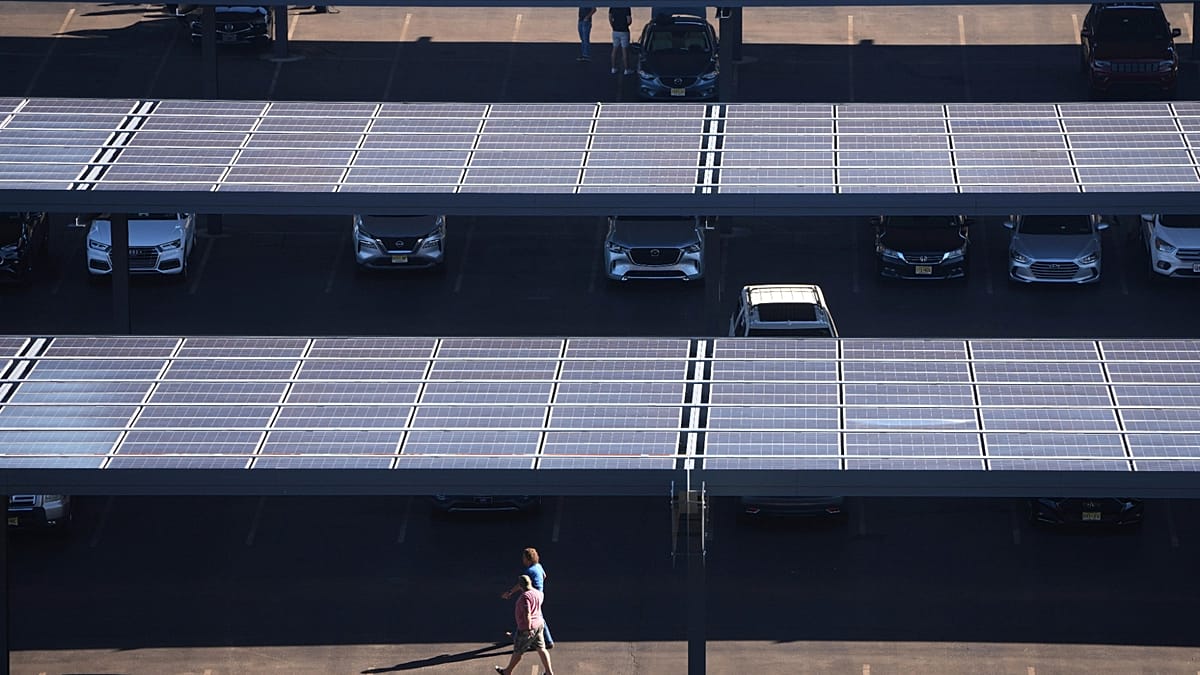
EU saved €51 billion in 2025 by cutting fossil fuel imports through renewable energy investment
Europe saved an estimated €51 billion in 2025 by reducing fossil fuel imports through increased investment in wind and solar energy, accordi
 euronews.com·14h ago
EU saved €51 billion in 2025 by cutting fossil fuel imports through renewable energy investment
Europe saved an estimated €51 billion in 2025 by reducing fossil fuel imports through increased investment in wind and solar energy, accordi
euronews.com·14h ago