
























Medical students use TriNetX health data platform to produce low-quality studies, critics say
By
Frederik Joelving, Retraction Watch
Summary
This article investigates how medical students and junior researchers are using TriNetX, a platform providing access to anonymized electronic health records of over 300 million patients, to rapidly produce and publish low-quality, misleading studies. Critics argue that the platform's ease of use enables quick-and-dirty publications from inexperienced authors, bypassing rigorous scientific methodology. The piece examines the tension between the democratization of research data and the erosion of academic standards, highlighting concerns about flawed studies entering the medical literature and potentially influencing clinical practice.
Source

 Hacker NewsMedical students use TriNetX health data platform to produce low-quality studies, critics sayscience.org
Key quotes
· 3 pulledEvery morning, Joshua Wang sits down at his computer with a pastry and a can of cold, black coffee to look for the latest papers based on data from a popular research platform called TriNetX.
Critics say TriNetX's easy analyses of electronic medical records fuel quick-and-dirty publications from inexperienced authors
Studies based on the platform—which provides access to anonymized electronic health records for more than 300 million patients
You might also wanna read

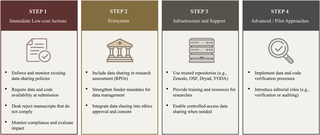
Data transparency crisis in research: How limited data access undermines systematic reviews and meta-analyses
This Policy Forum article by Saul Martin-Rodriguez and colleagues examines the data transparency crisis in research, focusing on how limited
 plos.io·7d ago
Columbia researcher's own paper nearly published with AI-hallucinated reference, highlighting growing academic integrity concern
A Columbia University associate professor, Maxim Topaz, who researches AI applications in healthcare, nearly published a scientific paper co
 fortune.com·28d ago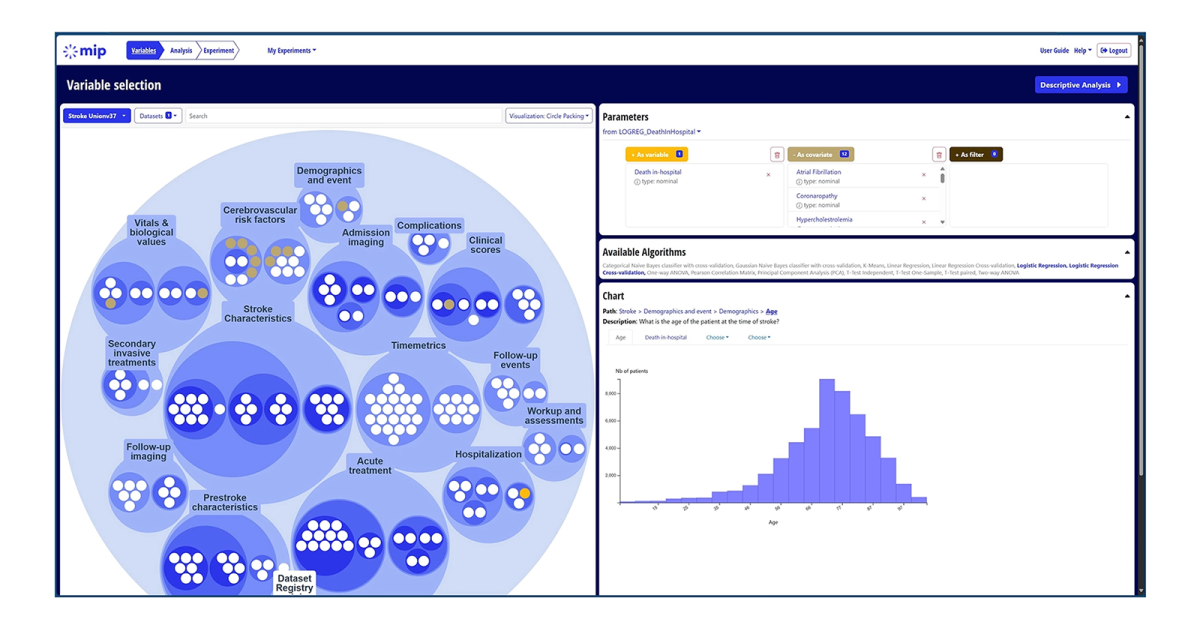
Medical Informatics Platform enables secure cross-border patient data analysis for research
The article explains how the Medical Informatics Platform (MIP), developed within EBRAINS and now part of the European Open Science Cloud, e
 ebrains.eu·7d ago
AI-generated research papers overwhelm academic peer review and citation systems
The article discusses a growing crisis in academic publishing where AI-generated research papers are flooding journals and citation database
 The Verge·1mo ago
Healthcare Providers Face Paradigm Shift as Patients Increasingly Use AI Chatbots and Health Apps
Healthcare providers are facing a significant shift as patients increasingly turn to AI chatbots and health apps for medical advice and care
 twp.ai·5d ago
Data Provenance and Metadata Quality: Critical Vulnerabilities in Genomic Research and AI-Driven Biology
This article examines the critical problem of poor data provenance, weak metadata standards, and lack of material authentication in publicly
 zenodo.org·18d ago
Comments
Sign in to join the conversation.
No comments yet. Be the first.