
























Data Provenance and Metadata Quality: Critical Vulnerabilities in Genomic Research and AI-Driven Biology
By
Jacobs, Jonathan
Summary
This article examines the critical problem of poor data provenance, weak metadata standards, and lack of material authentication in publicly accessible genomic data. It argues that these deficiencies undermine scientific reproducibility, biosecurity, and the integrity of AI-driven biological research (AIxBio). Using examples from cancer genomics, microbial genomics, infectious disease surveillance, and public sequence archives, the authors show how contaminated, mislabeled, or incompletely described data lead to irreproducible results and create opportunities for data fabrication. The article highlights the role of biological repositories and culture collections in bridging the physical-to-digital divide through "digital twins," and advocates for treating metadata as critical infrastructure for the future of AI and machine learning in life sciences.
Source

 bskyData Provenance and Metadata Quality: Critical Vulnerabilities in Genomic Research and AI-Driven Biologyzenodo.org
Key quotes
· 5 pulledThe exponential growth of publicly accessible genomic data over the last two decades has transformed life sciences, yet it has also exposed a critical vulnerability.
Weakly enforced requirements for data provenance, structured metadata, and material authentication have degraded the potential of these resources for interoperability and reuse in digital biology.
The lack of traceability and verification in genomic data poses escalating risks to scientific reproducibility, biosecurity, and the integrity of AI-driven biological research (AIxBio).
Reproducibility alone is insufficient when shared reference data are contaminated, mislabeled, incompletely described, or biologically outdated.
Proactive preservation of physical reference materials and the treatment of 'metadata as infrastructure' are presented as key ingredients for the future success and sustainability of artificial intelligence and machine learning across the life sciences.
Abstract
The exponential growth of publicly accessible genomic data over the last two decades has transformed life sciences, yet it has also exposed a critical vulnerability. Weakly enforced requirements for data provenance
You might also wanna read

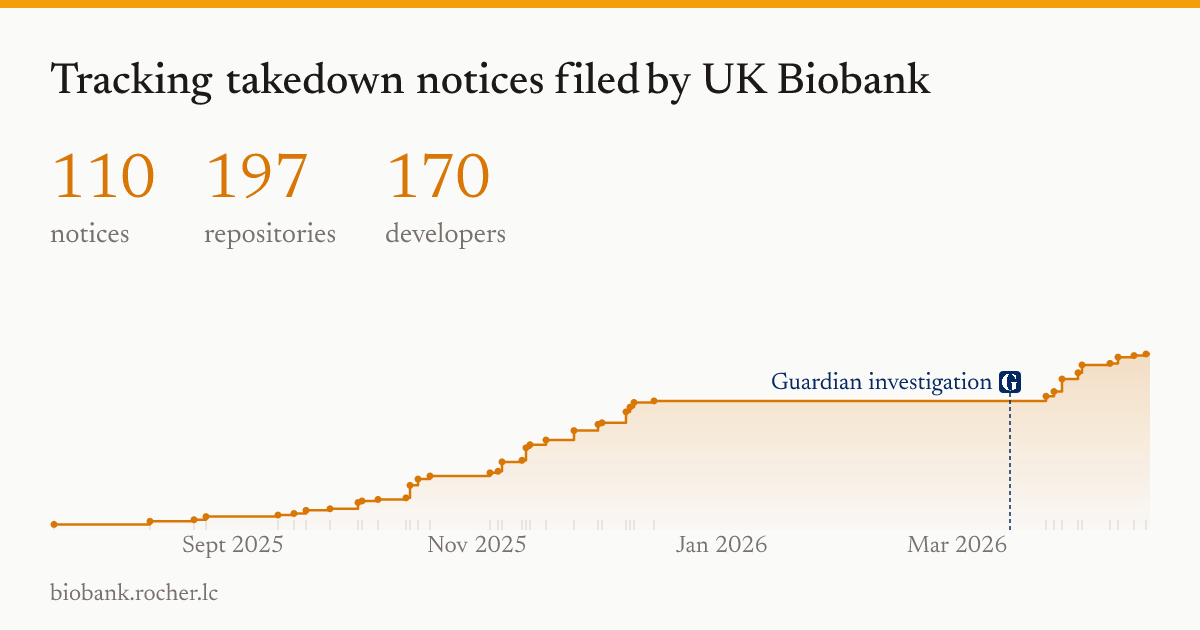
Researchers repeatedly leak UK Biobank participant health data on public GitHub repositories
UK Biobank, which holds genetic and health data on 500,000 British volunteers, has been repeatedly finding that researchers accidentally upl
 biobank.rocher.lc·2mo ago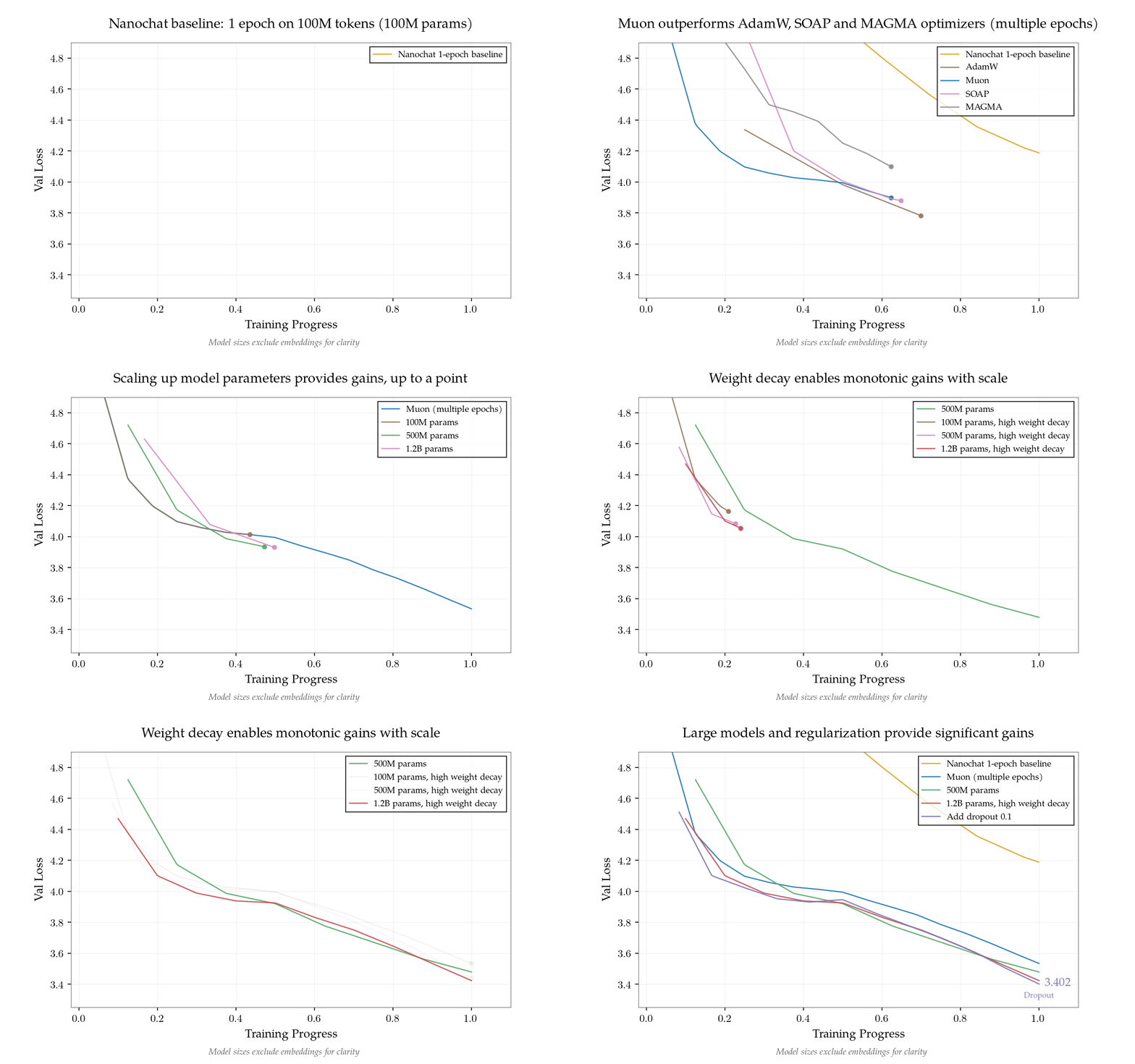
Data Scarcity as the Emerging Bottleneck in AI Scaling and Intelligence Development
The article discusses the asymmetry between compute and data growth in AI development, arguing that while compute capacity grows rapidly, da

Lessons from Data Friction: How S3 Files Evolved to Solve Large-Scale Data Transfer Challenges
Andy Warfield shares insights from his experience with data friction challenges, particularly from working with genomics researchers at UBC
 allthingsdistributed.com·2mo ago
OpenAI strengthens content provenance with multi-layered verification approach for AI-generated media
OpenAI is strengthening its approach to content provenance by implementing a multi-layered, ecosystem-driven strategy to help people identif
 openai.com·1mo ago
AI-generated research papers overwhelm academic peer review and citation systems
The article discusses a growing crisis in academic publishing where AI-generated research papers are flooding journals and citation database
 The Verge·1mo ago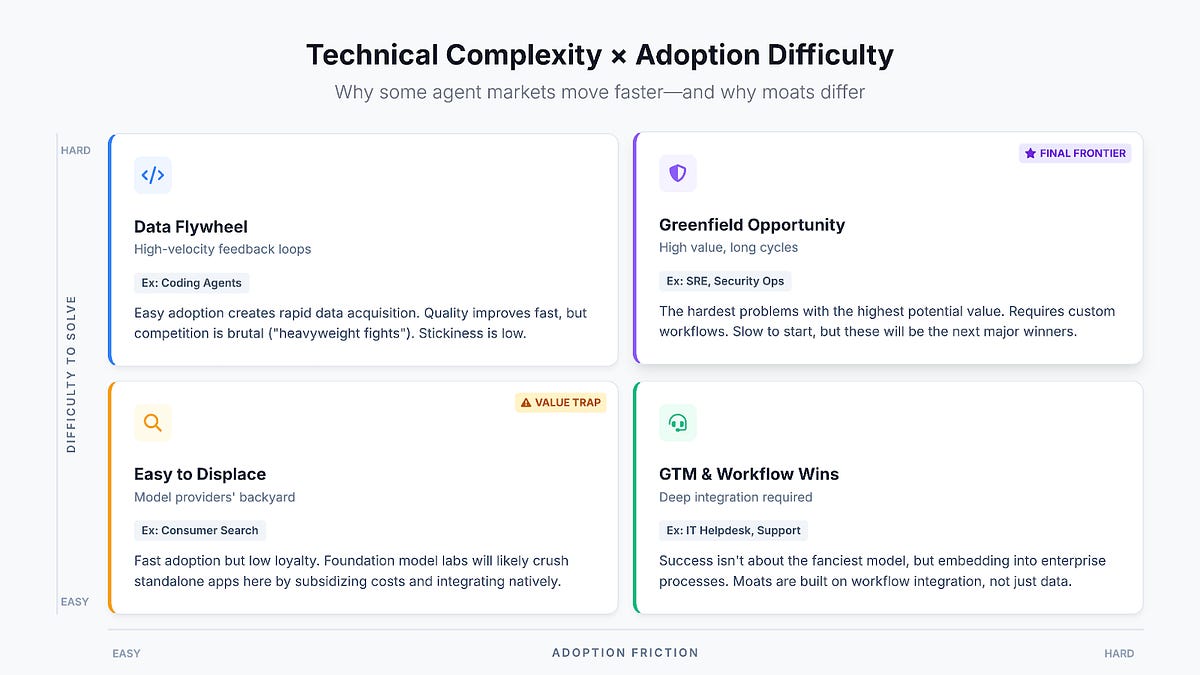
Why Data Quality Determines AI Application Success Across Different Problem Domains
The article argues that while AI technology has advanced significantly, the development of effective AI agents remains uneven across differe
 frontierai.substack.com·5mo ago
Comments
Sign in to join the conversation.
No comments yet. Be the first.