





















AI-generated research papers overwhelm academic peer review and citation systems
By
Joshua Dzieza

Kettled twice. Extra chewy, extra trustworthy.
Summary
The article discusses a growing crisis in academic publishing where AI-generated research papers are flooding journals and citation databases. It highlights the case of Peter Degen's supervisor whose legitimate 2017 paper suddenly received hundreds of citations from AI-generated papers. The piece explores how AI tools like ChatGPT are being used to produce fake or low-quality research papers at scale, overwhelming peer reviewers and editors who struggle to detect them. This phenomenon threatens the integrity of academic citation systems, peer review processes, and the broader scientific enterprise, as researchers face an increasingly polluted scholarly landscape where distinguishing genuine research from AI-generated content becomes nearly impossible.
Key quotes
· 3 pulledCitations are the currency of academia, but there was something unusual about these.
Another professor might be thrilled. Degen's a...
Journal editors and peer reviewers are being flooded with AI-generated papers that are almost impossible to detect.
You might also wanna read

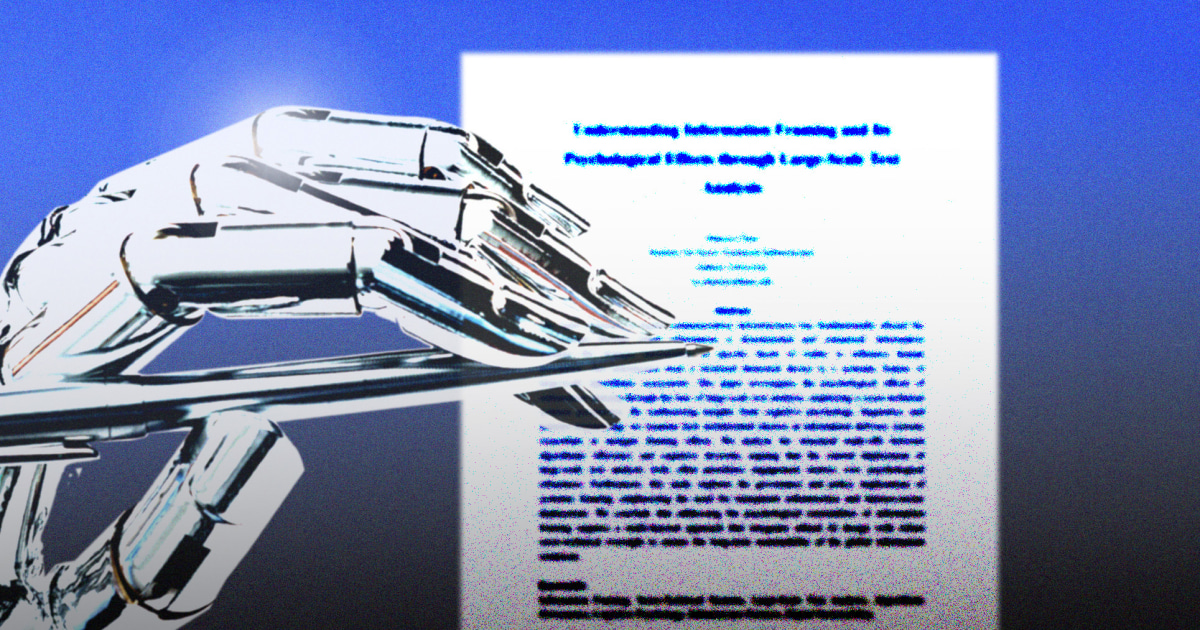
Fake academic journals publish AI-generated papers under real professors' names
A network of fake academic journals has published over 100 AI-generated papers attributed to real professors without their knowledge. The fr
 nbcnews.com·4d ago
AI and Publish-or-Perish Culture Are Overwhelming Academic Peer Review, Study Finds
This article, authored by the AI Task Force for Organization Science, examines how generative AI is reshaping academic peer review and resea
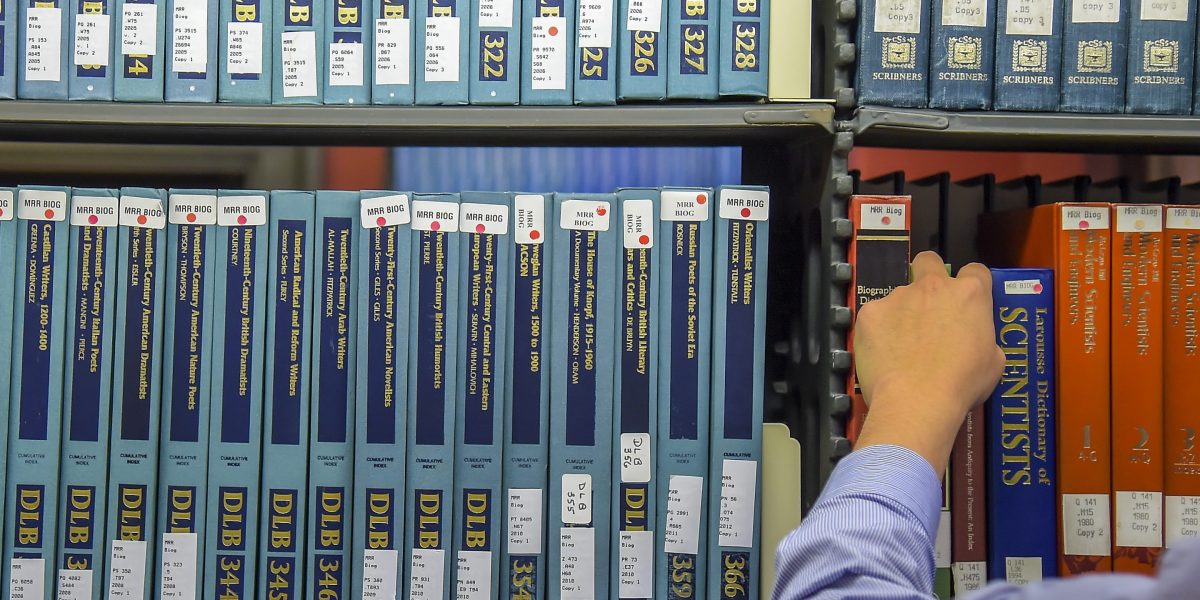
Columbia researcher's own paper nearly published with AI-hallucinated reference, highlighting growing academic integrity concern
A Columbia University associate professor, Maxim Topaz, who researches AI applications in healthcare, nearly published a scientific paper co
 fortune.com·4d ago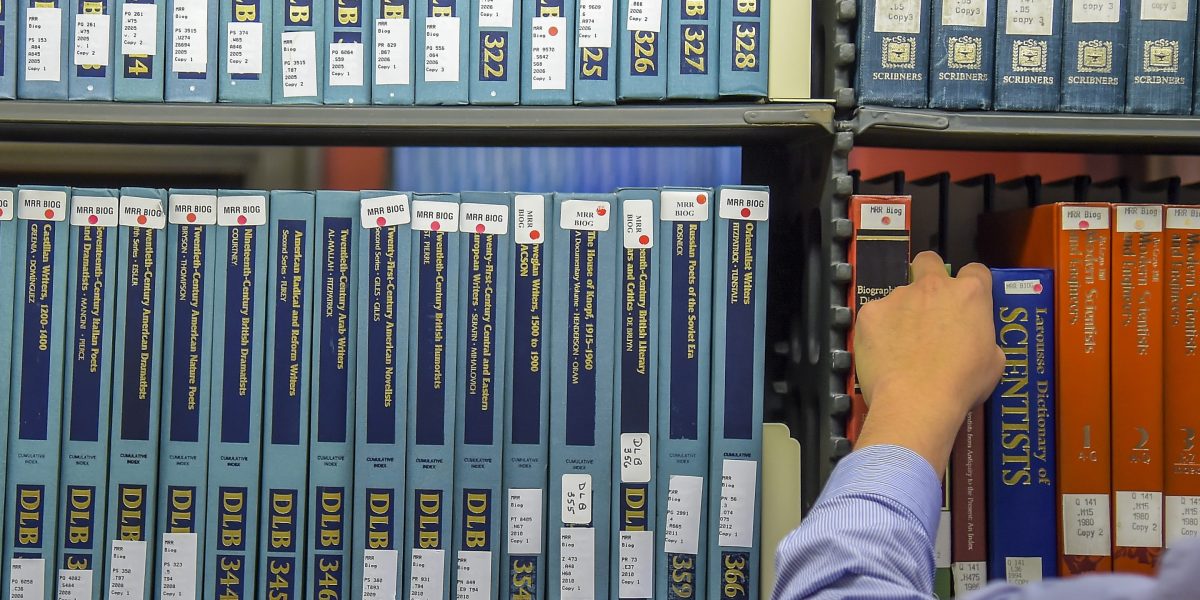
Columbia professor studying AI nearly publishes paper with AI-hallucinated reference, highlighting growing academic integrity concern
A Columbia University associate professor, Maxim Topaz, who researches AI applications in healthcare, nearly published a scientific paper co
 exacted.me·4d ago
The frustration of AI-generated responses replacing genuine human expertise
The article describes the author's frustrating experiences with AI-generated content replacing genuine human interaction and expertise. Two
orchidfiles.com·4d ago
The Generative AI Paradox: How Tools Like ChatGPT Threaten the Human Content Ecosystems They Depend On
The article examines the paradoxical nature of generative AI tools like ChatGPT and Claude, which offer tremendous productivity benefits whi
 ybrikman.com·4mo ago