
























20 Years After FAO's Landmark Livestock Report: Factory Farming Has Grown 50% and Environmental Damage Has Intensified
By
24 Jun Written By Stop Financing Factory Farming Coalition (S3F)
Summary
Twenty years after the FAO's landmark 2006 report "Livestock's Long Shadow," this analysis finds that the warnings have largely gone unheeded. The number of terrestrial animals farmed annually has increased by over 50% since 2006, and environmental pressures across climate change, biodiversity loss, land use, soil degradation, water use, and pollution have intensified. The report calls for an end to financing factory farming and urges development finance to support sustainable alternatives.
Source
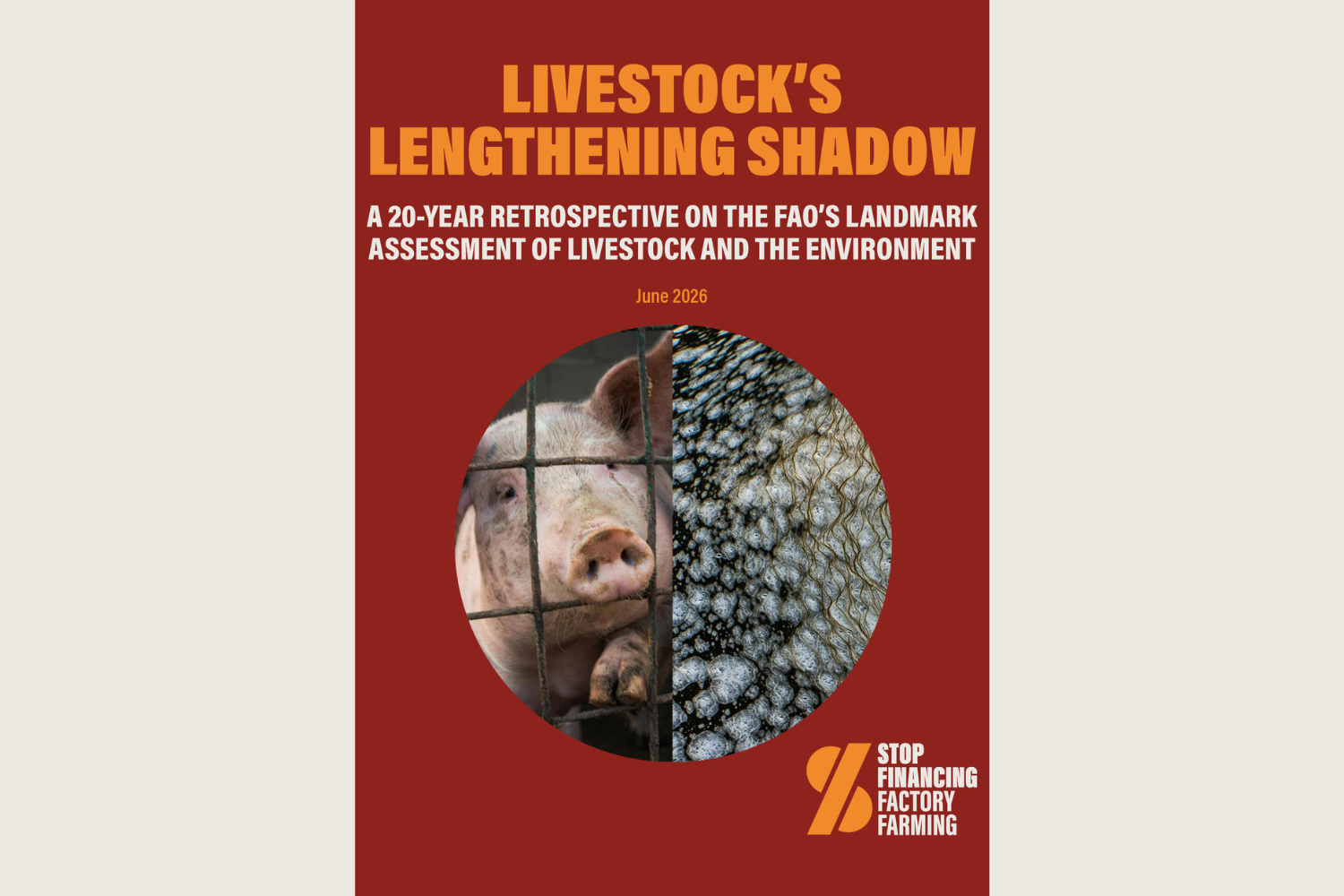
 bsky20 Years After FAO's Landmark Livestock Report: Factory Farming Has Grown 50% and Environmental Damage Has Intensifiedstopfinancingfactoryfarming.com
Key quotes
· 3 pulledTwenty years after the UN Food and Agriculture Organization (FAO) published Livestock's Long Shadow, a landmark assessment of livestock's environmental impacts, this report examines what has changed and whether the warnings have been heeded.
Since 2006, the number of terrestrial animals farmed annually has increased by more than 50%, while many of the environmental pressures identified in the original report have intensified rather than diminished.
The report reviews evidence across climate change, biodiversity loss, land use, soil degradation, water use, pollution
You might also wanna read


Global fish production hits new high, but climate threats loom
From Problem to Asset: EU Turns 180 Degrees on Livestock Farming
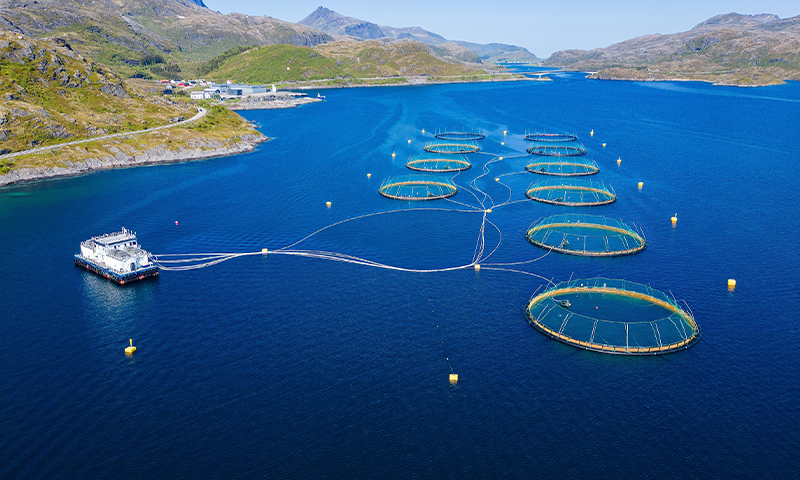
The Environmental Impact of Fishmeal: How Aquaculture Depletes Wild Fish Populations
The article examines the environmental impact of industrial fishing for fishmeal used in aquaculture (farmed seafood). It describes how smal
 nautil.us·8mo ago
150 Countries Warn Economic Growth Obsession Is Destroying Nature and Biodiversity
A report signed by 150 countries including China, India, and EU nations warns that the global obsession with economic growth is destroying n
 politico.eu·3mo ago
How sugar cane cultivation drives environmental destruction worldwide
This article argues that sugar cane, as the world's leading agricultural crop by mass, represents a major but overlooked environmental threa
 ynetnews.com·10d ago
Comments
Sign in to join the conversation.
No comments yet. Be the first.