
























Study reveals how UV radiation from ultracool dwarf stars complicates biosignature detection on exoplanets like TRAPPIST-1 e
This article discusses a scientific study examining how ultraviolet radiation from ultracool M dwarf stars (like TRAPPIST-1) creates atmospheric degeneracies that complicate the search for biosignatures on exoplanets. Using Archean Earth as an analog, the researchers model TRAPPIST-1 e's atmosphere and find that different combinations of atmospheric gases (including those from biological and non-biological sources) can produce identical spectral signatures, making it difficult to definitively detect life. The study highlights the challenges of interpreting biosignatures around the most common type of stars in the galaxy.
Key quotes
Planets have been found around stars of all shapes and sizes, from hot and bright O and B stars to small, dim M dwarfs.
The study highlights the challenges of interpreting biosignatures around the most common type of stars in the galaxy.
Using Archean Earth as an analog, the researchers model TRAPPIST-1 e's atmosphere and find that different combinations of atmospheric gases can produce identical spectral signatures.
From the article
You might also wanna read

The interdisciplinary struggle to define life in the search for extraterrestrial existence
This article explores the interdisciplinary challenge of defining "life" in the context of astrobiology and the search for life beyond Earth
 astrobites.org·1d ago
The interdisciplinary struggle to define life in the search for extraterrestrial existence
This article explores the interdisciplinary challenge of defining "life" in the context of astrobiology and the search for life beyond Earth
astrobites·1d ago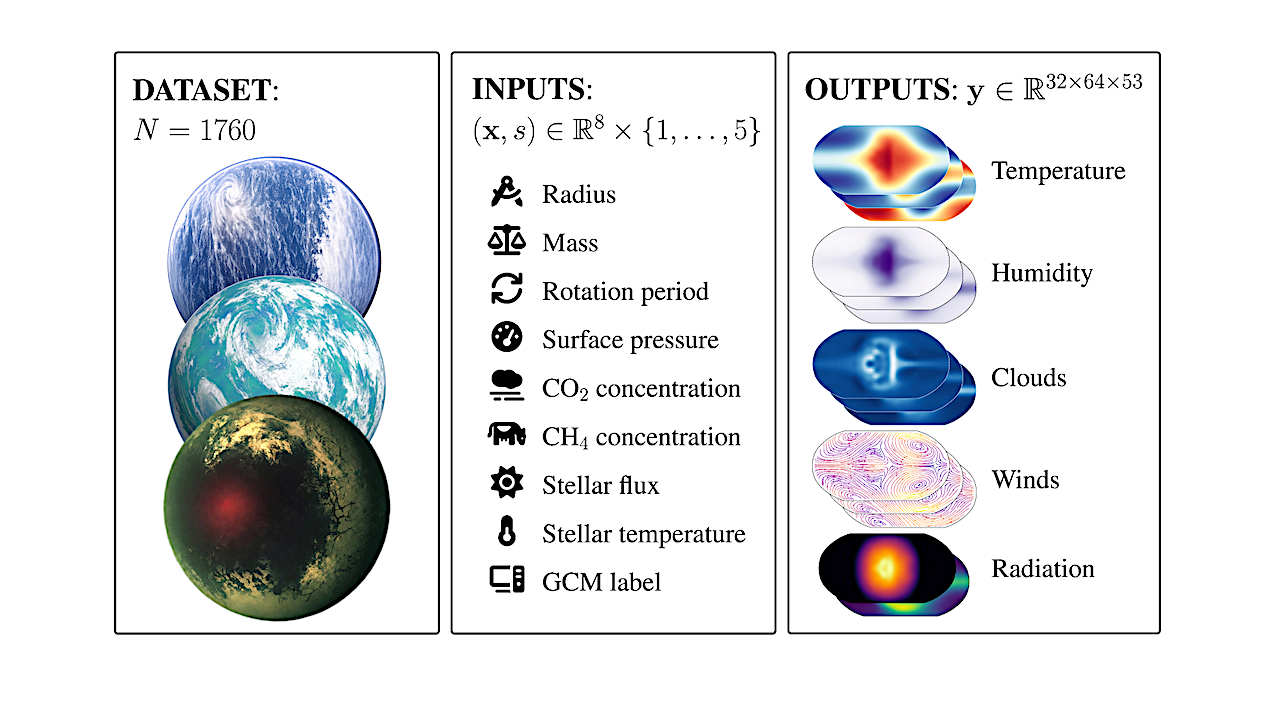
ThousandWorlds Benchmark Aims to Model Exoplanet Climates for Life Detection
This article introduces ThousandWorlds, a benchmark designed for climate emulation of potentially habitable exoplanets. It explains that the
 astrobiology.com·20d ago
Scientists Debate Whether Earth's Oceans Came from Comets, Asteroids, or Were Homegrown
The article explores the evolving scientific debate about the origin of Earth's oceans. Initially, scientists believed Earth's water arrived
 quantamagazine.org·25d ago
Scientists Debate Whether Earth's Oceans Came from Comets, Asteroids, or Were Homegrown
The article explores the evolving scientific debate about the origin of Earth's oceans. Initially, scientists believed Earth's water arrived
quantamagazine.org·25d ago
How Long Could Life Survive Without Sunlight? Lessons from the Asteroid That Ended the Dinosaurs
This article explores how long life on Earth could survive without sunlight, using the asteroid impact that ended the Age of Dinosaurs 66 mi
 climateages.substack.com·1mo ago
Comments
Sign in to join the conversation.
No comments yet. Be the first.