
























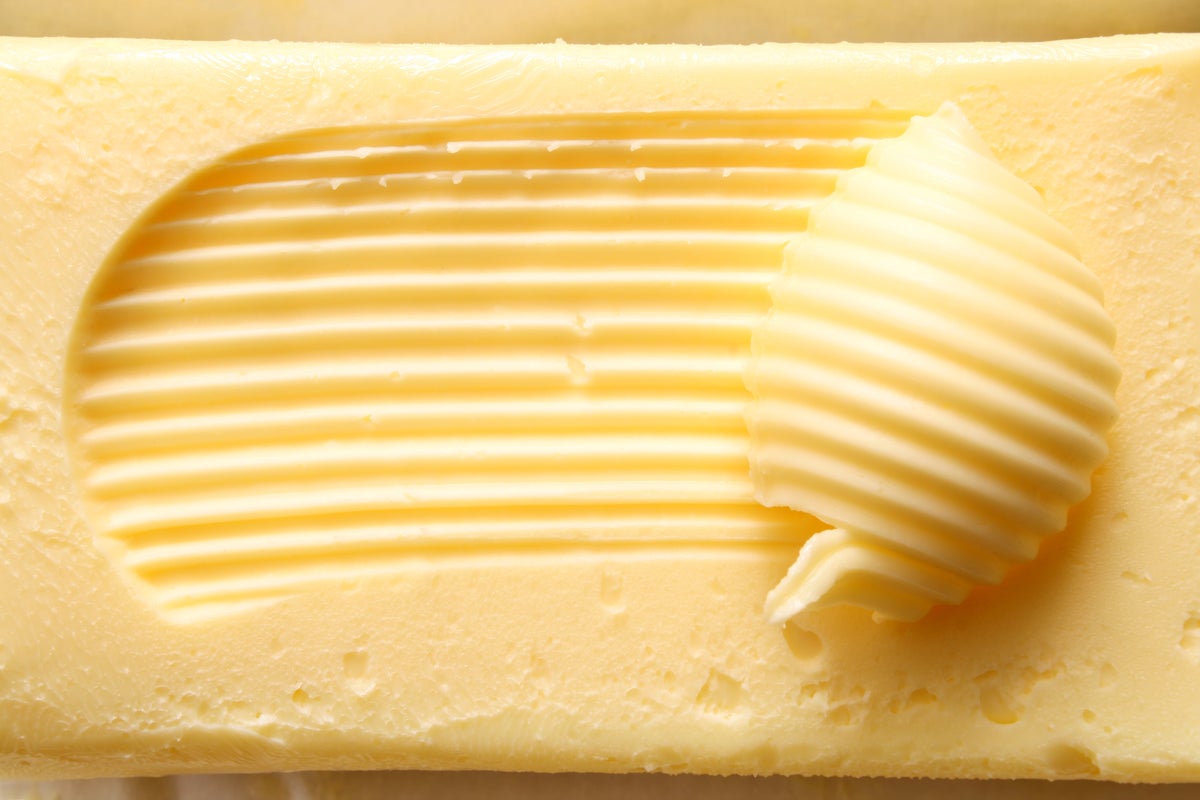
Butter vs. margarine for baking: A food scientist breaks down the chemical differences
By
Rosemary Trout
Summary
A food scientist explains the key chemical and structural differences between butter and margarine, and how those differences affect baking outcomes. Butter is a water-in-oil emulsion with milk solids and about 80% fat, while margarine is also a water-in-oil emulsion but made from vegetable oils with varying fat content. The article covers how factors like fat percentage, water content, melting point, and the presence of milk proteins influence texture, browning, flakiness, and flavor in baked goods. It provides practical guidance on when to use each fat based on the desired baking result.
Source
 Twitter / XButter vs. margarine for baking: A food scientist breaks down the chemical differencesspklr.io
Key quotes
· 4 pulledWhen I was studying nutrition in college, I had a teaching assistant who recommended margarine over butter. I was shocked – and wondered about the difference between the two. It was one of the things that sparked my interest in food science.
Butter is a water-in-oil emulsion, meaning that tiny droplets of water are dispersed throughout the fat.
Margarine is also a water-in-oil emulsion, but it's made from vegetable oils instead of milk fat.
The choice between butter and margarine can significantly affect the texture, flavor and appearance of your baked goods.
You might also wanna read


Is Whole Milk Healthier Than Low-Fat or Skim Milk?

A Simple Guide to Making Brown Butter for Enhanced Baking
The article provides a simple guide on how to make brown butter, highlighting its rich, nutty flavor and versatility in enhancing baked good
Love and Lemons·1y ago
Understanding Dietary Fats and Oils: Types, Health Benefits, and Heart-Healthy Choices
This article discusses the role of dietary fats and oils in a healthy diet. It explains that small amounts of fat are necessary for bodily f
What Ultra-Processed Foods Really Contain: A Look Inside Modern Food Engineering
The article examines how modern food has shifted from whole, natural ingredients to engineered products designed for shelf stability, long-d
 buff.ly·23d ago
Homemade Apple Butter Recipe: Fall Cooking Project with 8 Simple Ingredients
This article provides a recipe for homemade apple butter, describing it as tasting like 'apple pie in a jar' with a sweet, concentrated appl
Love and Lemons·9mo ago
Simple 2-Ingredient Miso Butter Recipe for Instant Flavor Upgrade
This article presents a simple 2-ingredient miso butter recipe that combines softened butter and white miso paste to create a rich, creamy,
Love and Lemons·5mo ago
Comments
Sign in to join the conversation.
No comments yet. Be the first.