
























Japan's severe allergy crisis linked to 1950s reforestation project using cedar and cypress trees
By
Nithin Coca
Summary
Japan is experiencing a severe nationwide allergy crisis, with an estimated $1.6 billion per day in economic impact from sick days and reduced consumer spending. The root cause traces back to a 1950s reforestation project that planted vast areas with just two types of trees—primarily cedar and cypress—which now produce massive amounts of pollen each spring. Beyond physical discomfort, the allergies cause sleep loss, poor concentration, and increased risk of asthma and food allergies.
Source
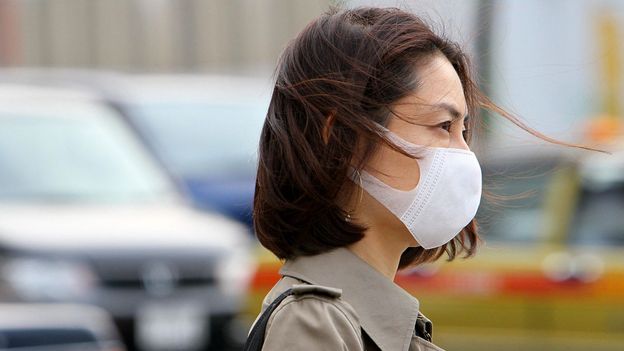
 bskyJapan's severe allergy crisis linked to 1950s reforestation project using cedar and cypress treesbbc.co.uk
Key quotes
· 3 pulledA decision made 70 years ago to reforest vast swathes of Japan with just two kinds of tree has come back to haunt the country.
At the peak of Japan's hay fever season, the economic impact from both sick days and lower consumer spending is estimated at $1.6bn (£1.2bn) per day.
As well as the discomfort, these allergies can lead to sleep loss and poor concentration, and sufferers are more likely to experience other conditions such as asthma and food allergies.
You might also wanna read

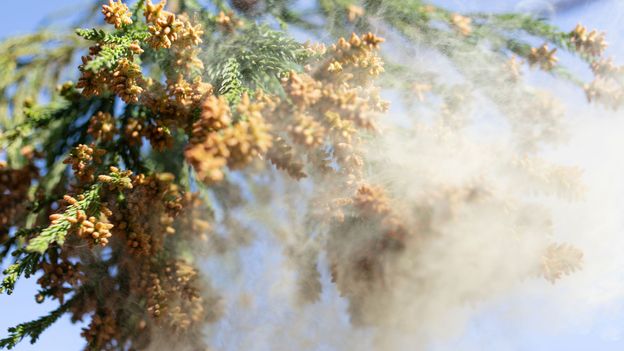
How Japan's post-WWII reforestation project created a nationwide hay fever crisis
Japan is experiencing a severe nationwide hay fever crisis caused by massive Japanese cedar and cypress plantations established during a pos
 bbc.com·1mo ago
Japan Deploys Military to Address Deadly Bear Attack Crisis Linked to Climate Change
Japan has deployed military troops to its northern rural regions to address a surge in deadly bear attacks that have killed a record 12 peop
 The Onion·7mo ago
How the Miyawaki Method Creates Dense Urban Micro Forests to Restore Biodiversity
The article covers the Miyawaki method of reforestation, which involves planting small, densely packed native forests in urban areas to rapi
 Ambrook·1mo ago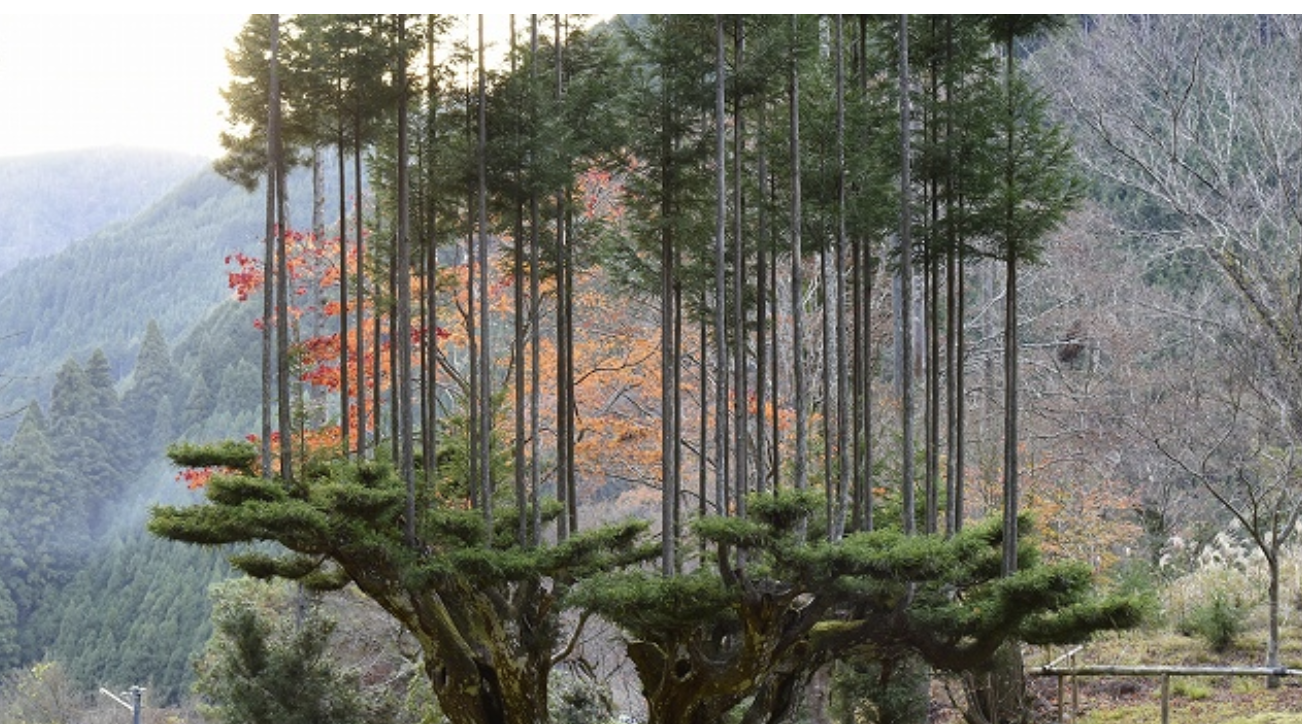
Daisugi: The 600-Year-Old Japanese Forestry Technique of Growing Trees from Trees for Straight Lumber
This article explores daisugi, a 15th-century Japanese forestry technique developed in response to seedling and land shortages. Daisugi invo
 openculture.com·6h ago
Fukushima Radioactivity Study Examines Cognitive Impact on Pollinating Insects
Scientists are conducting research in the Fukushima contaminated area to study how radioactivity affects the cognitive abilities of pollinat
 news.cnrs.fr·9mo ago
Study: 60,000 Children Avoided Peanut Allergies Following 2015 Early Introduction Guidelines
A new study finds that approximately 60,000 children have avoided developing peanut allergies following landmark 2015 guidance that recommen
 cbsnews.com·8mo ago
Comments
Sign in to join the conversation.
No comments yet. Be the first.