
























Daisugi: The 600-Year-Old Japanese Forestry Technique of Growing Trees from Trees for Straight Lumber
By
Colin Marshall
Summary
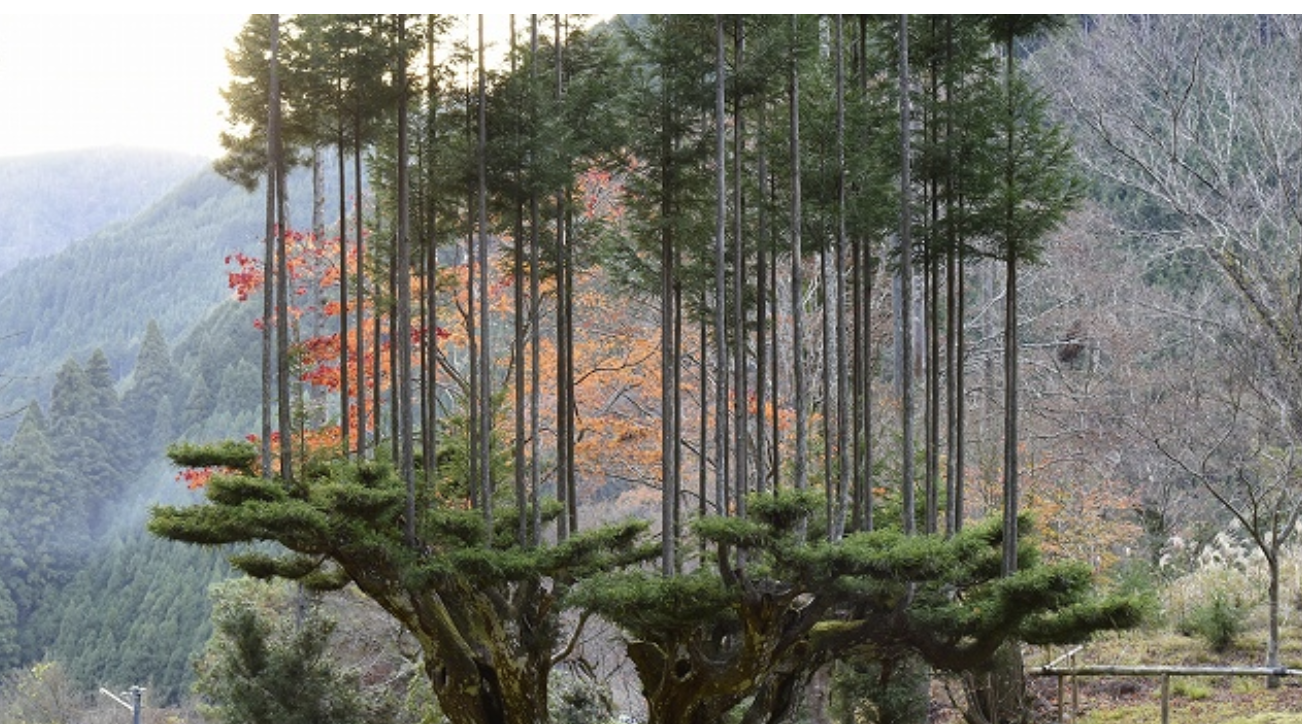
This article explores daisugi, a 15th-century Japanese forestry technique developed in response to seedling and land shortages. Daisugi involves growing additional trees out of existing trees to produce perfectly straight lumber, used in traditional Japanese architecture. The piece highlights the ingenuity of this 600-year-old sustainable practice.
Source
 Hacker NewsDaisugi: The 600-Year-Old Japanese Forestry Technique of Growing Trees from Trees for Straight Lumberopenculture.com
Key quotes
· 3 pulledNecessity being the mother of invention, this led to the creation of an ingenious solution: daisugi, the growing of additional trees, in effect, out of existing trees
We've all admired the elegance of Japan's traditional styles of architecture. Their development required the kind of dedicated craftsmanship that takes generations to cultivate
By the 15th century, Japan already faced a shortage of seedlings, as well as land on which to properly cultivate the trees in the first place
You might also wanna read


EXシアター六本木(ホール/収容人数 920席)
 zaseki.music-mdata.com·16h ago
Karimoku's Age of Wood Exhibition Explores Japanese Tree Species and Timber Aging Processes
The Age of Wood exhibition, presented by furniture brand Karimoku in collaboration with design duo Christian + Jade, explores the diverse sp
 Dezeen·7mo ago
YNAS uses timber-framed canopies to reconnect Japanese home with the outdoors

Japan's severe allergy crisis linked to 1950s reforestation project using cedar and cypress trees
Japan is experiencing a severe nationwide allergy crisis, with an estimated $1.6 billion per day in economic impact from sick days and reduc
 bbc.co.uk·19d ago
InventWood's Superwood: A Stronger, Sustainable Alternative to Steel
American start-up InventWood has developed 'Superwood,' a chemically modified wood that is ten times stronger than regular wood. The patente
Dezeen·11mo ago
Kengo Kuma and Associates Creates Earth/Tree Installation at Copenhagen Contemporary
Architecture studio Kengo Kuma and Associates collaborated with Danish manufacturer Dinesen to create the Earth / Tree installation at Copen
Dezeen·2mo ago
Comments
Sign in to join the conversation.
No comments yet. Be the first.