
























Radiation-Eating Fungus Discovered Inside Chernobyl Reactor Could Aid Space Travel
A fungus discovered inside the Chernobyl Nuclear Power Plant's reactor walls has been found to thrive on ionizing radiation through a process called radiosynthesis. The fungus, Cryptococcus neoformans, contains high levels of melanin that allows it to absorb radiation and convert it into chemical energy, similar to how plants use chlorophyll for photosynthesis. This discovery has significant implications for space travel, as such radiotrophic fungi could be used to shield astronauts from cosmic radiation on long-duration missions to Mars and beyond, and could potentially be used to create radiation-blocking materials or even help clean up radioactive contamination on Earth.
Key quotes
Clinging to the interior walls of one of the most radioactive buildings on Earth, scientists discovered a strange black fungus that appears to be 'eating' the radiation itself.
The fungus, Cryptococcus neoformans, contains high levels of melanin — the same pigment that gives human skin its color and protects us from UV radiation.
This process, called radiosynthesis, is analogous to photosynthesis in plants, but instead of using light energy, the fungus uses ionizing radiation as its energy source.
The implications for space travel are profound. If we can harness this fungus or its melanin, we could create natural radiation shields for astronauts on long-duration missions.
These radiotrophic fungi could potentially be used to help clean up radioactive contamination on Earth, offering a biological solution to one of our most challenging environmental problems.
From the article
You might also wanna read


Chernobyl's Radiation-Eating Fungus Could Help Shield Space Travelers from Cosmic Rays
Scientists discovered a black fungus growing in the Chernobyl nuclear disaster site that appears to feed on radiation. Research shows these
 bbc.com·7mo ago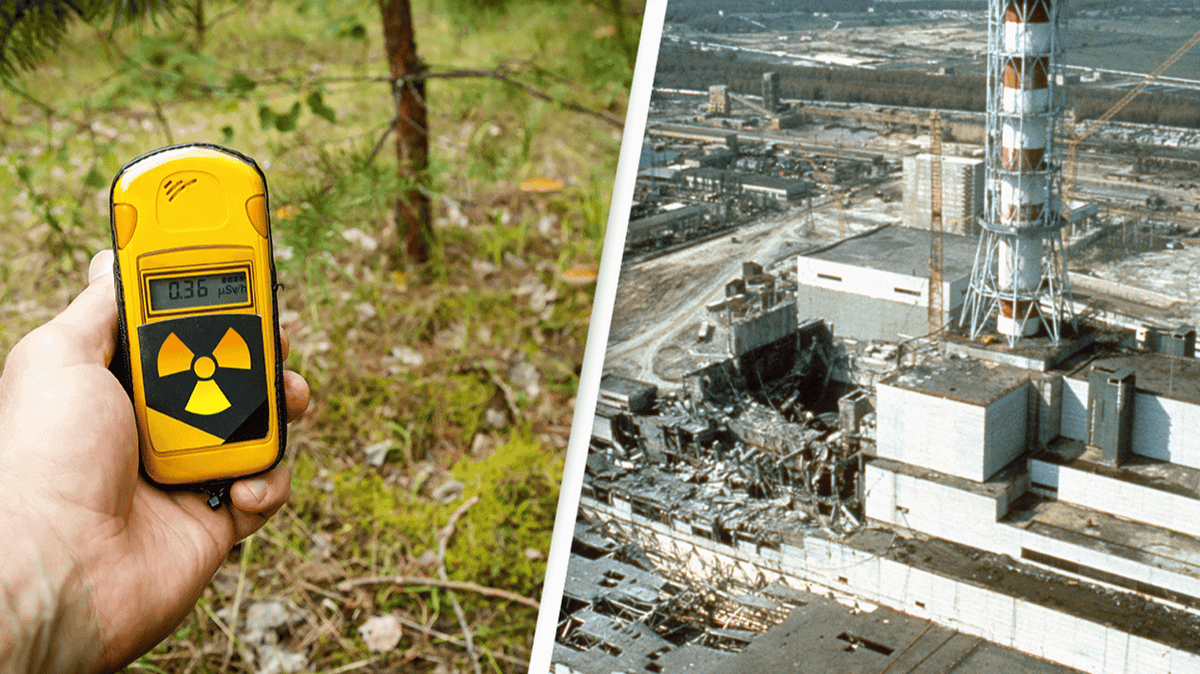
Fungus in Chernobyl Nuclear Zone Evolves to Convert Radiation into Energy
Scientists have discovered a fungus in the Chernobyl nuclear disaster zone that has mutated to convert gamma radiation into chemical energy.
 unilad.com·7mo ago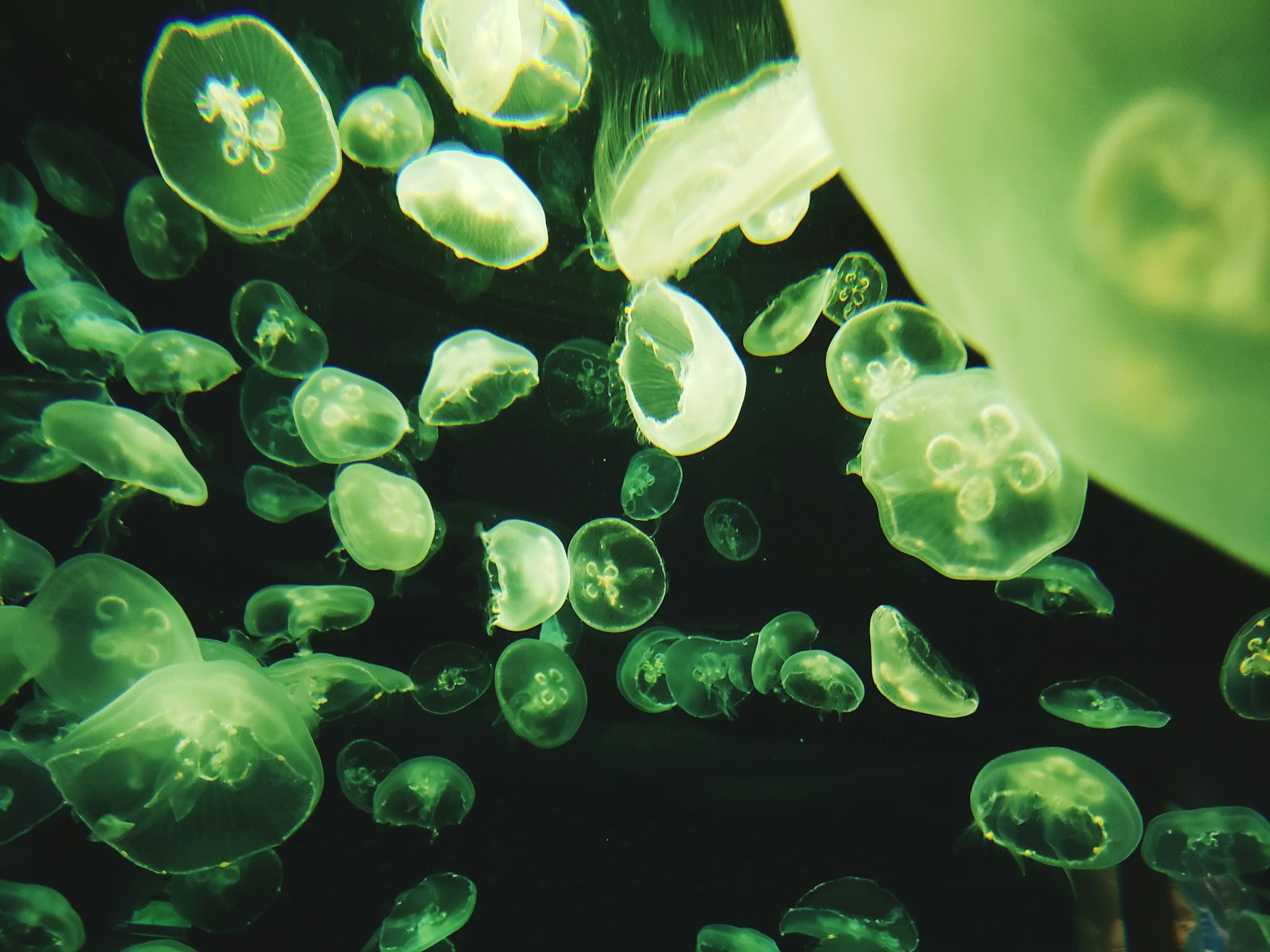
Microbe Chroococcidiopsis Shows Potential to Produce Oxygen from Martian Soil
Scientists have discovered that the extremophile microbe Chroococcidiopsis can grow on materials similar to Martian soil and produce oxygen,
 scienceclock.com·7mo ago
Moss Spores Survive 9 Months of Exposure to Space Vacuum on ISS
Scientists exposed spreading earthmoss (Physcomitrium patens) spore capsules to the extreme conditions of open space for nine months on the
scienceclock.com·7mo ago
Arctic Research Expedition Studies Underground Fungal Networks and Carbon Storage
A team of biologists led by Michael Van Nuland embarks on an Arctic road trip along Alaska's Dalton Highway to study the critical undergroun
 quantamagazine.org·3mo ago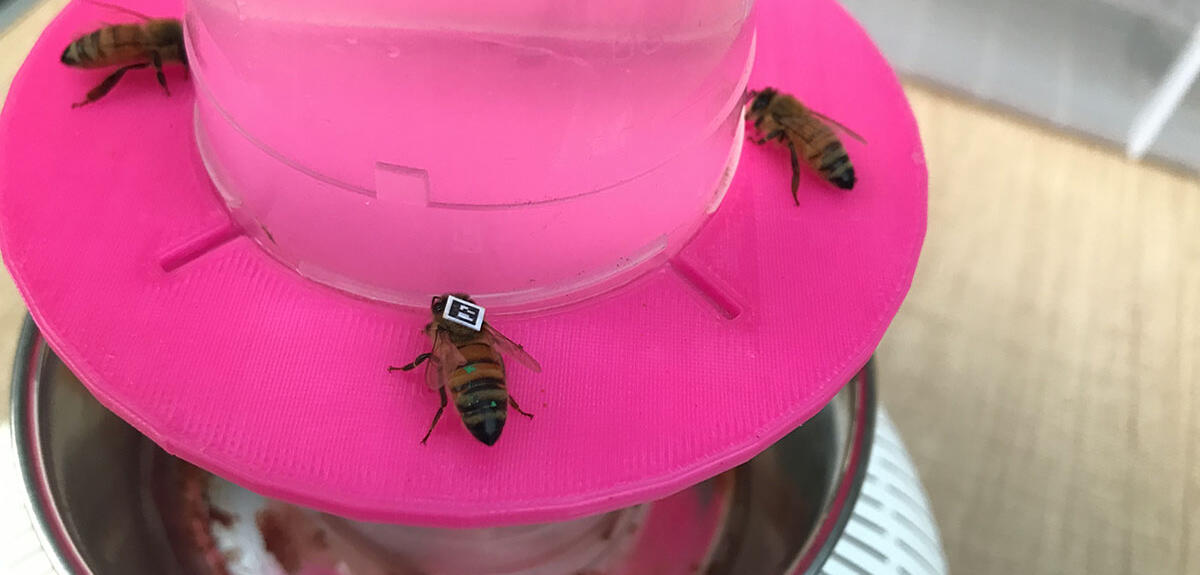
Fukushima Radioactivity Study Examines Cognitive Impact on Pollinating Insects
Scientists are conducting research in the Fukushima contaminated area to study how radioactivity affects the cognitive abilities of pollinat
 news.cnrs.fr·9mo ago
Comments
Sign in to join the conversation.
No comments yet. Be the first.