
























Sinopec declares hydrogen fuel cells dead for heavy trucks as electric vehicles advance
By
Jameson Dow
Summary
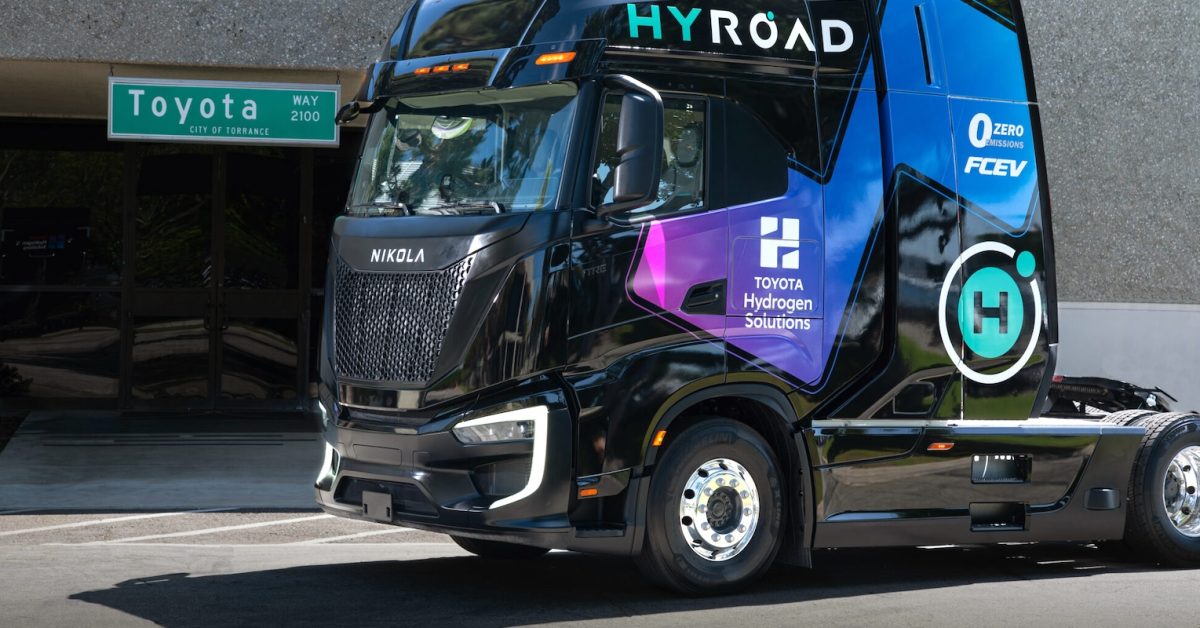
Sinopec, the world's second-largest oil company, has declared that hydrogen fuel cell technology is no longer viable for heavy trucks, as battery electric vehicles are rapidly improving and eroding hydrogen's advantages. The article, published in Sinopec's internal magazine, notes that while hydrogen offers higher energy density, the challenges of pressurized storage and infrastructure limitations make it less practical than advancing battery technology for heavy trucking applications.
Source
 bskySinopec declares hydrogen fuel cells dead for heavy trucks as electric vehicles advanceelectrek.co
Key quotes
· 3 pulledHydrogen heavy trucks are being displaced by electric ones, as advancements in batteries and charging infrastructure eat away at the advantages of hydrogen
For years, hydrogen fuel cell vehicles have been considered as a potential clean, more energy-dense option than battery electric vehicles
While hydrogen is more energy-dense, it has to be held securely under pressure
You might also wanna read

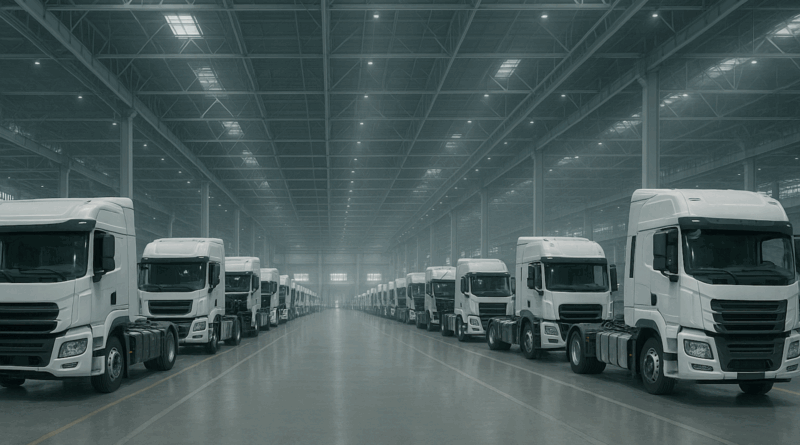
China's Affordable Electric Heavy Trucks Disrupt Global Freight Industry
China's battery electric heavy trucks are becoming a disruptive force in global freight, with prices so low (€58,000-€85,000 for 400-600 kWh
 cleantechnica.com·7mo ago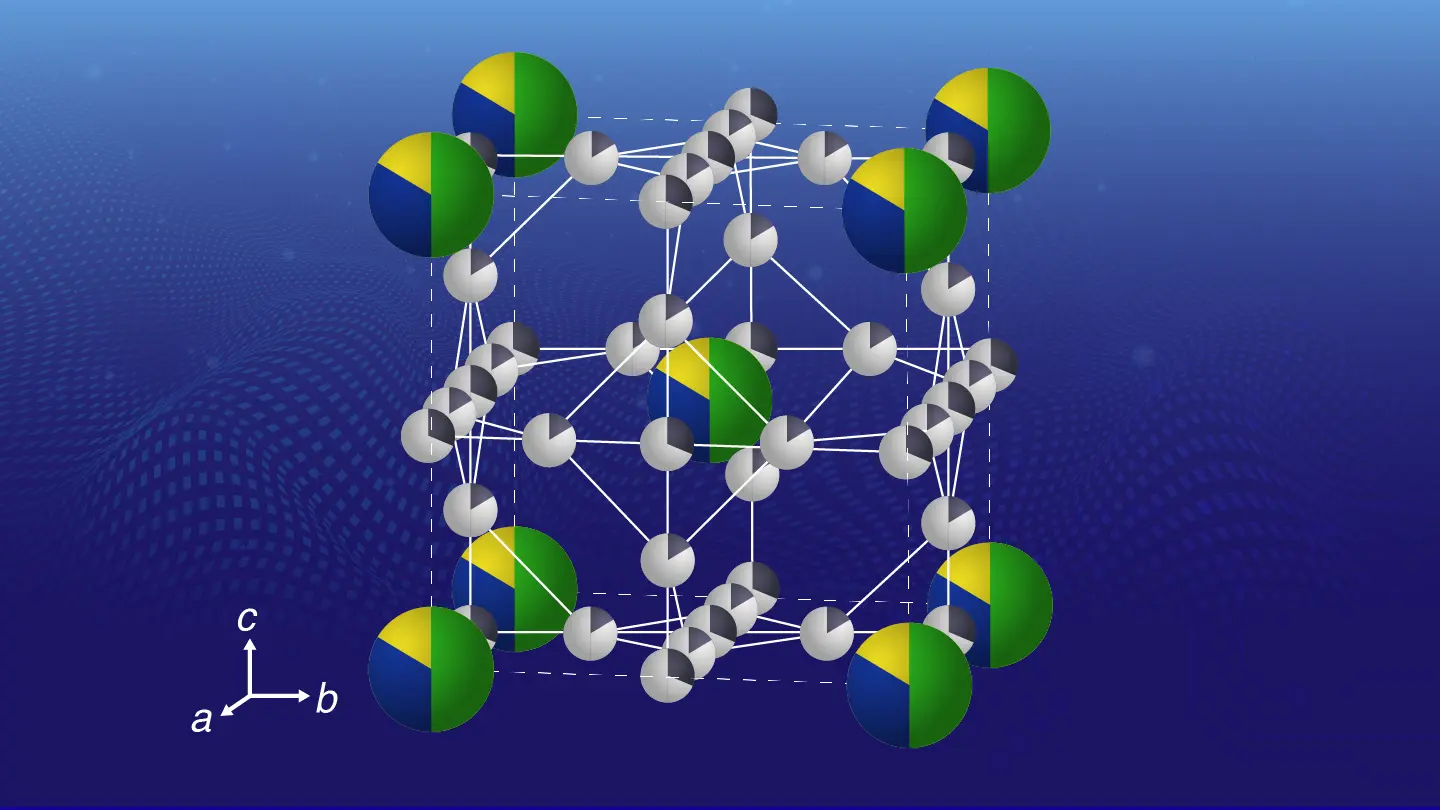
Japanese Researchers Develop 90°C Hydrogen Battery for Efficient Storage
Japanese researchers have developed a low-temperature hydrogen battery that operates at just 90°C, overcoming previous limitations of high-t
 isct.ac.jp·9mo ago
dynaCERT oversees successful pilot cleantech installation on Vietnamese trucks
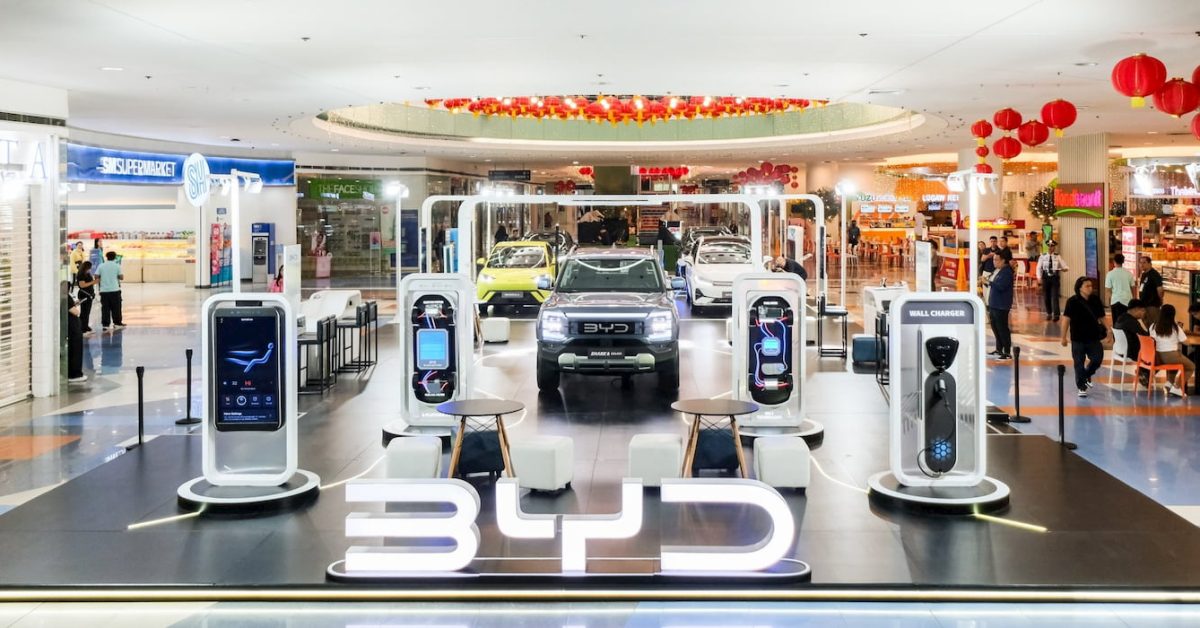
BYD's EV Strategy Succeeds as Rising Fuel Prices Drive Electric Vehicle Adoption
BYD, the Chinese automaker that stopped producing internal combustion engine vehicles in 2022, is experiencing increased electric vehicle sa
electrek.co·3mo ago
Toyota Mirai Hydrogen Car Depreciation: 65% Value Loss in First Year Highlights Hydrogen Vehicle Challenges
The article examines the severe depreciation of Toyota's hydrogen-powered Mirai vehicle, which loses approximately 65% of its value within t
 carbuzz.com·4mo ago
Korean Research Team Develops Anode-Free Battery with 1,270 Wh/L Energy Density, Potentially Doubling EV Range
A Korean research team from POSTECH, KAIST, and Gyeongsang National University has developed an anode-free lithium metal battery that achiev
 postech.ac.kr·6mo ago
Comments
Sign in to join the conversation.
No comments yet. Be the first.