
























Japanese Researchers Develop 90°C Hydrogen Battery for Efficient Storage
A hydrogen battery that operates at just 90 °C has been developed by researchers from Japan, overcoming the high-temperature and low-capacity limits of earlier methods. The device works by moving…
Read the full articleYou might also wanna read


Hydrogen-based materials for energy storage and conversion
Hydrogen-based materials for energy storage and conversion ->Nature
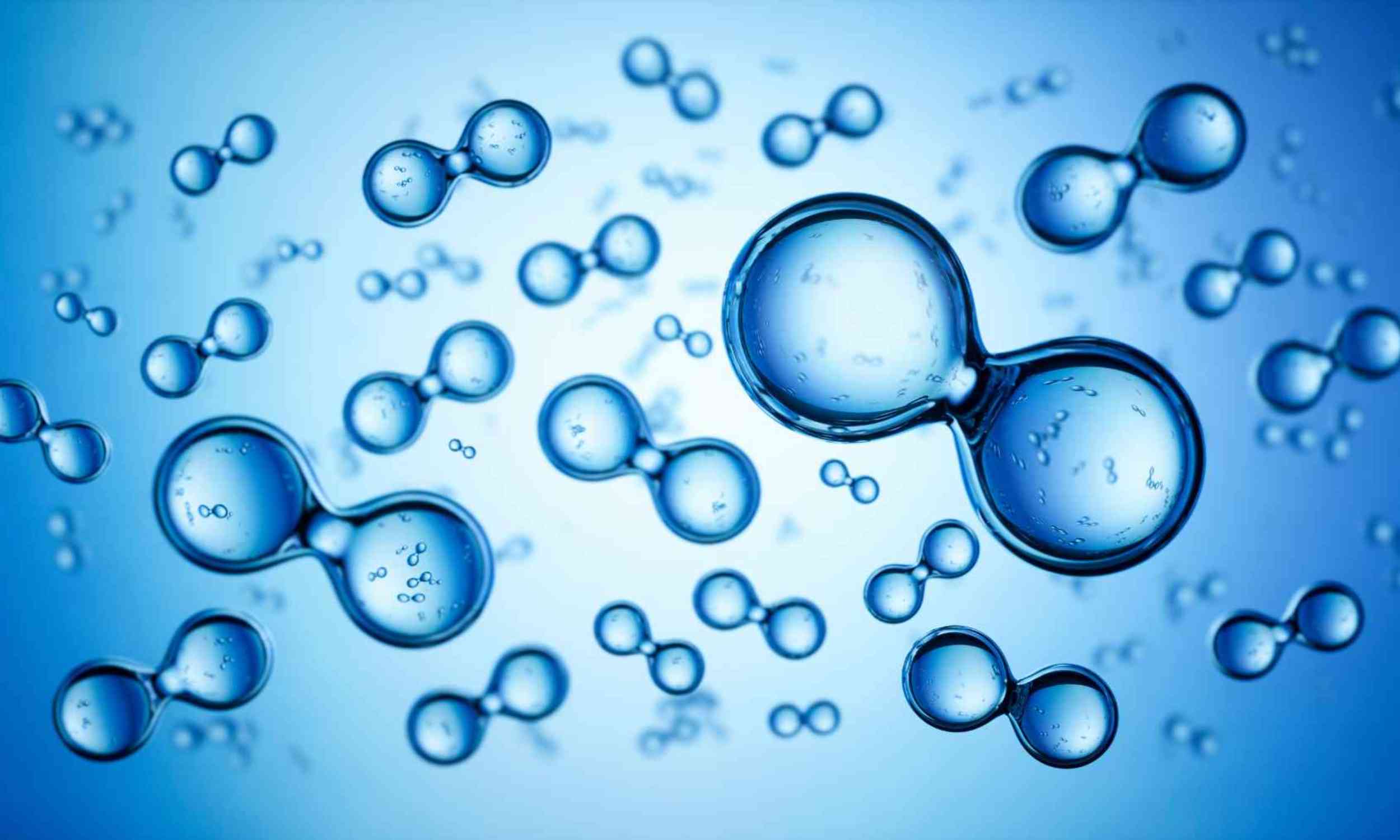
Scientists develop lower-temperature method for producing clean hydrogen from water
A cheap crystal of four common elements produces clean hydrogen from water at temperatures hundreds of degrees lower than older methods need
 earth.com·1mo ago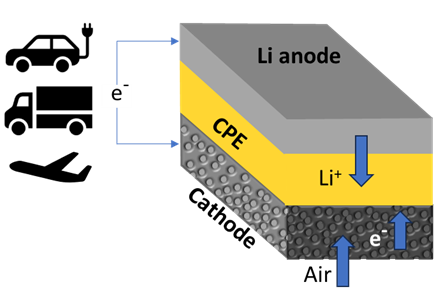
Solid-State Lithium-Air Battery Achieves Four-Electron Reaction at Room Temperature
A new rechargeable lithium-air battery potentially has four times greater energy density than a traditional lithium-ion battery.
 energy.gov·1mo ago
Finland's sand batteries offer a low-cost thermal storage solution for renewable energy
Could sand batteries become a cornerstone of the energy transition? Polar Night Energy’s Annette Höglund Dönnes makes the case.
 interestingengineering.com·20d ago
A rechargeable non-aqueous Mg–O 2 battery based on magnesium peroxide chemistry
Nature Chemistry, Published online: 03 July 2026; doi:10.1038/s41557-026-02199-2 Rechargeable magnesium–oxygen batteries could offer high en
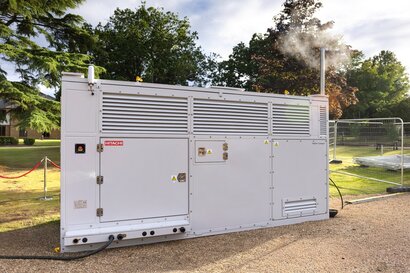
Hitachi Energy launches HyFlex Compact hybrid hydrogen-battery generator for off-grid power
Electrification specialist Hitachi Energy has introduced HyFlex Compact ? a hybrid generator and flexible power hub that provides zero-emiss
 renewableenergymagazine.com·1mo ago
Comments
Sign in to join the conversation.
No comments yet. Be the first.